
 简体中文
简体中文 Русский
 Français
 Português
 Español
 لالعربية

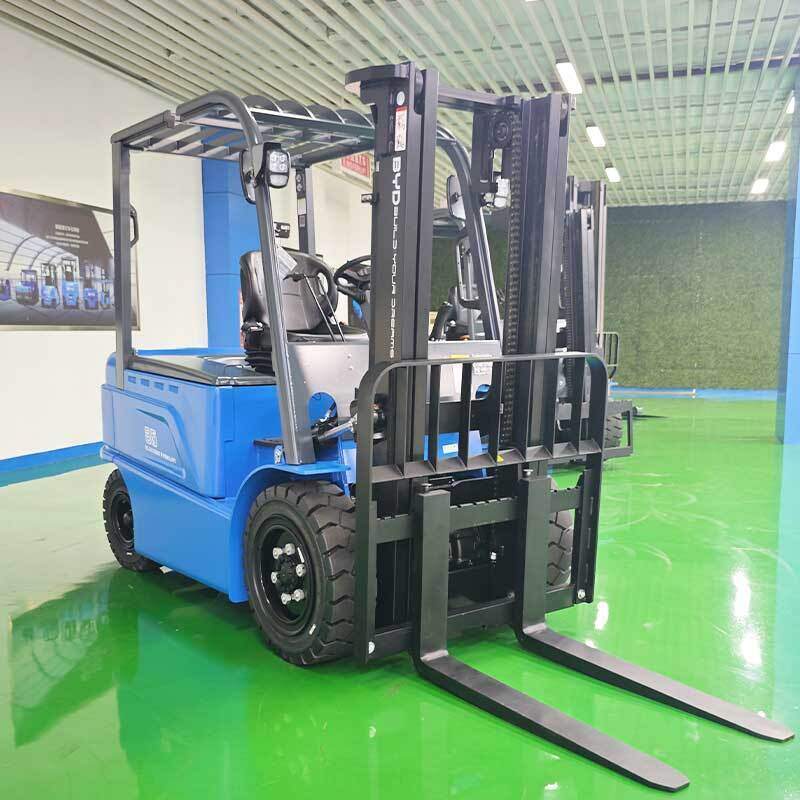
Against the background of global low-carbon logistics development, electric forklifts have gradually become one of the most widely used core material handling equipment in indoor warehouses, manufacturing workshops and closed operation scenarios in recent years. Mastering the professional knowledge of electric forklift use, maintenance and operation can help relevant practitioners give full play to the equipment’s performance advantages and create higher operation value.
Basic Performance Characteristics of Electric Forklifts
Different from traditional internal combustion handling equipment, electric forklifts are driven by on-board power battery packs, which produce no tail gas emission during the whole operation process, and the overall operation noise is kept at a relatively low level, which will not cause adverse impact on the air quality and working environment of closed indoor spaces. The product lines of electric forklifts can cover different rated load ranges from 1 ton to more than 5 tons, which can adapt to the material handling demands of different scenarios such as small e-commerce warehouses, large raw material storage yards and production line transit links. The energy consumption cost per unit operation time is relatively lower compared with fuel-powered equipment, which fits the low-carbon transformation trend of modern industrial logistics.
Daily Standard Maintenance Specifications
Regular standardized maintenance work is the core premise to ensure the long-term stable operation of electric forklifts. Before each shift, operators need to check the remaining power of the power battery, confirm the sealing performance of the hydraulic lifting system, test the sensitivity of the braking and steering system, and check the wear degree of the walking tires to avoid potential safety hazards caused by excessive wear. The power connection points and internal circuit areas of the equipment need to be dedusted and cleaned on a regular schedule, to avoid poor contact or local overheating caused by accumulated dust and debris. For the battery pack, it is necessary to follow the specified charging and storage requirements, avoid over-discharging or long-term full power storage, so as to prolong the overall service life of the core components.
Safety Operation Guidelines for On-site Personnel
Operators who engage in electric forklift operation need to receive professional pre-job training, and master the operation logic and operation precautions of the equipment before taking up the post. Before starting the equipment every time, the operator needs to walk around the vehicle to check the surrounding environment, confirm that there are no obstacles or unrelated personnel within the moving range of the vehicle. During the driving process, avoid sharp steering and sudden braking, keep the fork 10 to 20 cm above the ground when carrying goods, and do not lift the goods to an excessively high position for long-distance driving. When passing through the ramp area, keep driving at a low speed, do not turn on the ramp with heavy load, and do not exceed the rated load of the equipment during the whole handling process.


