
 简体中文
 Русский
 Français
 Português
 Español
 لالعربية


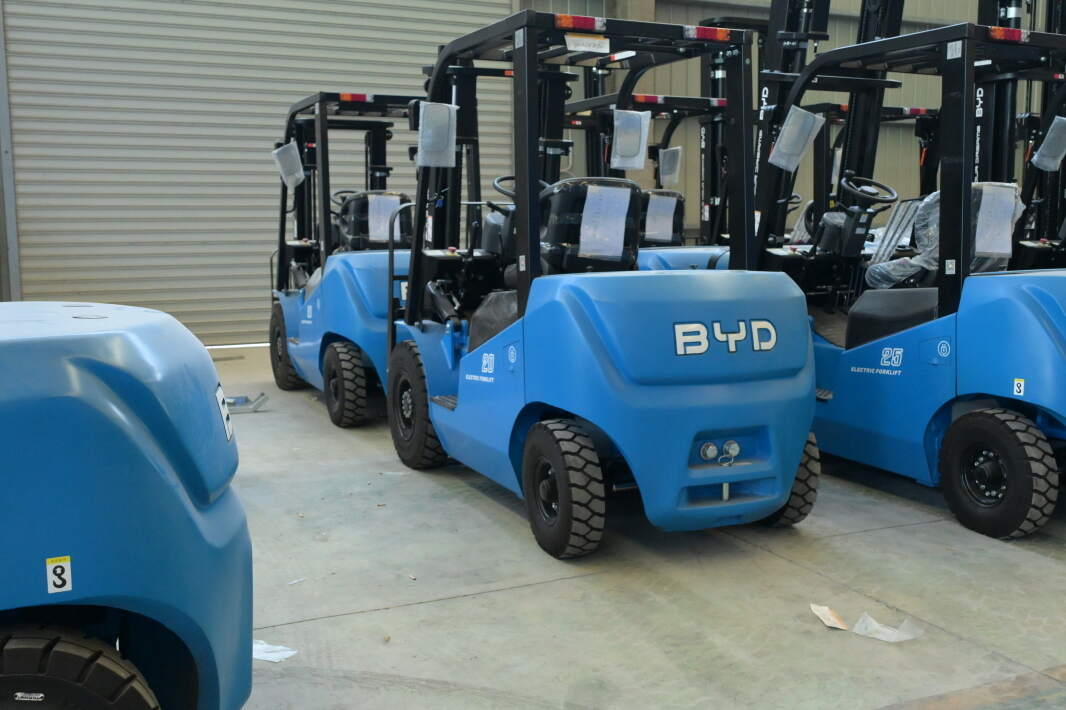
With the continuous development of low-carbon logistics and intelligent warehousing, electric forklifts have become the core handling equipment selected by more and more operation scenarios. Mastering correct use and management methods can help enterprises give full play to the value of such equipment and obtain more stable operation returns.
Core Performance Characteristics of Electric Forklifts
Different from traditional internal combustion driven handling equipment, modern electric forklifts have low operation noise, zero on-site emission, and smooth power output, which can adapt to the operation requirements of closed indoor spaces, cold storage and other special scenarios. Its unit energy consumption cost is significantly lower than that of similar fuel driven equipment, which can well match the current general trend of green transformation of the logistics industry.
Standardized Daily Operation Guidelines
Operators need to complete systematic pre job training before officially using the equipment. Complete routine inspection of appearance, braking system and remaining power before each startup, keep the load within the rated load range of the equipment during operation, avoid improper operations such as sudden acceleration and sudden steering. Keep low speed when driving on sloped roads, and do not drive with forks lifted for a long time under load state to reduce unnecessary component loss.
Routine Maintenance and Care Suggestions
Clean the dust and sundries on the equipment surface in time after daily use, check the connection state of the energy storage unit regularly, and complete the charging operation in accordance with the specified process to avoid over discharge or long-term overcharge. Check the wear state of the seals of the hydraulic system regularly, add compliant hydraulic oil in time, and arrange troubleshooting immediately when potential small faults are found, do not continue to operate with faults.
Scenario Adaptation Optimization Tips
Adjust the corresponding operation parameters according to different working scenarios, reduce the maximum driving speed of the equipment when working in narrow aisles to improve operation safety, and complete the moisture-proof and dust-proof treatment of key parts in time after working in outdoor scenes with high humidity or excessive dust, so as to extend the overall service life of the equipment. Mastering the above practical points can provide stable support for daily material handling operations.


