
 简体中文
 Русский
 Français
 Português
 Español
 لالعربية


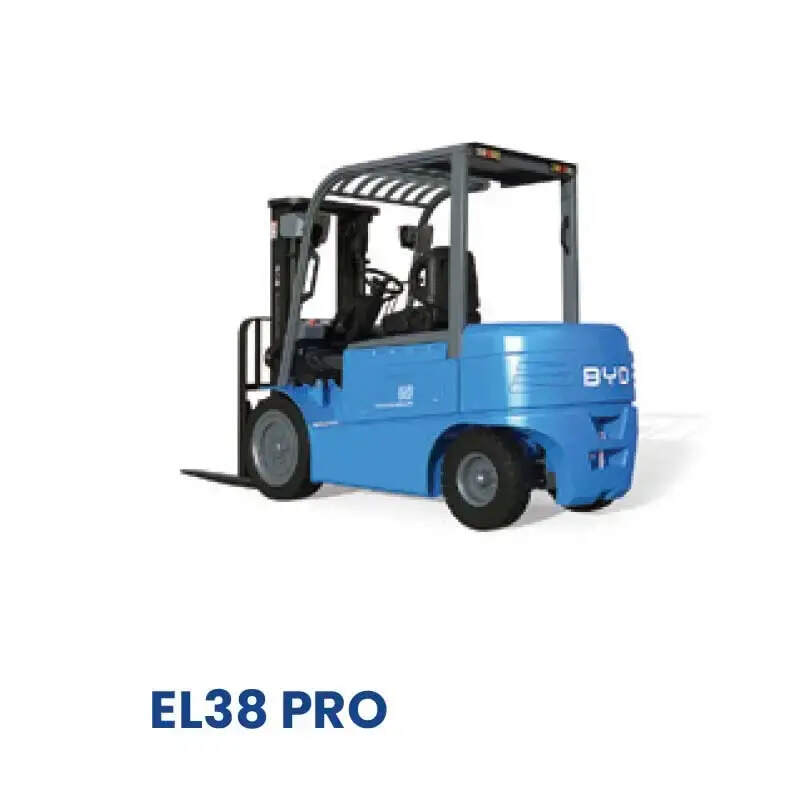
As low-carbon logistics becomes the mainstream trend in modern industrial storage, electric forklifts have become one of the most widely adopted material handling equipment across different manufacturing and warehouse sectors. Many operators and management teams still lack systematic understanding of proper usage and maintenance rules, which may lead to unnecessary operation risks and extra cost loss in long term usage.
Core Performance Characteristics of Electric Forklifts
Different from internal combustion counterparts, electric forklifts rely on rechargeable battery packs to provide power output, with no exhaust emission during regular operation. The overall noise level during operation stays at a relatively low range, which fits enclosed warehouse spaces, food processing storage or other scenarios with strict environmental requirements. The power output adjustment is smoother, which reduces the vibration for transported fragile goods to a certain extent, and creates more comfortable working experience for on-site operators.
Standard Operational Requirements for Daily Use
Before starting each shift, operators need to check the remaining power level, brake sensitivity, lifting chain tightness and tire surface condition first, and confirm no abnormality before formal operation. Operators need to follow local safety regulations, avoid overloading beyond the rated load capacity, and keep proper viewing distance when moving goods on uneven ground. It is not recommended to leave the driver position without pulling the hand brake and lowering the lifting forks completely, to avoid unexpected sliding or falling of the parked equipment.
Routine Maintenance Guidelines for Long Term Usage
Regular cleaning of the dust and sundries on the battery surface and motor heat dissipation structure helps avoid unnecessary heat accumulation during long time continuous operation. The battery charging process should follow the specified parameters, avoid over charging or deep discharging for frequently used units. Regular inspection of the wiring connector tightness can reduce the risk of unexpected power interruption during high-intensity material handling tasks. Following the above specifications can help teams give full play to the performance of electric forklifts, reduce the overall operation cost, and create safer and more efficient logistics working environment for on-site staff.


