
 简体中文
简体中文 Русский
 Français
 Português
 Español
 لالعربية

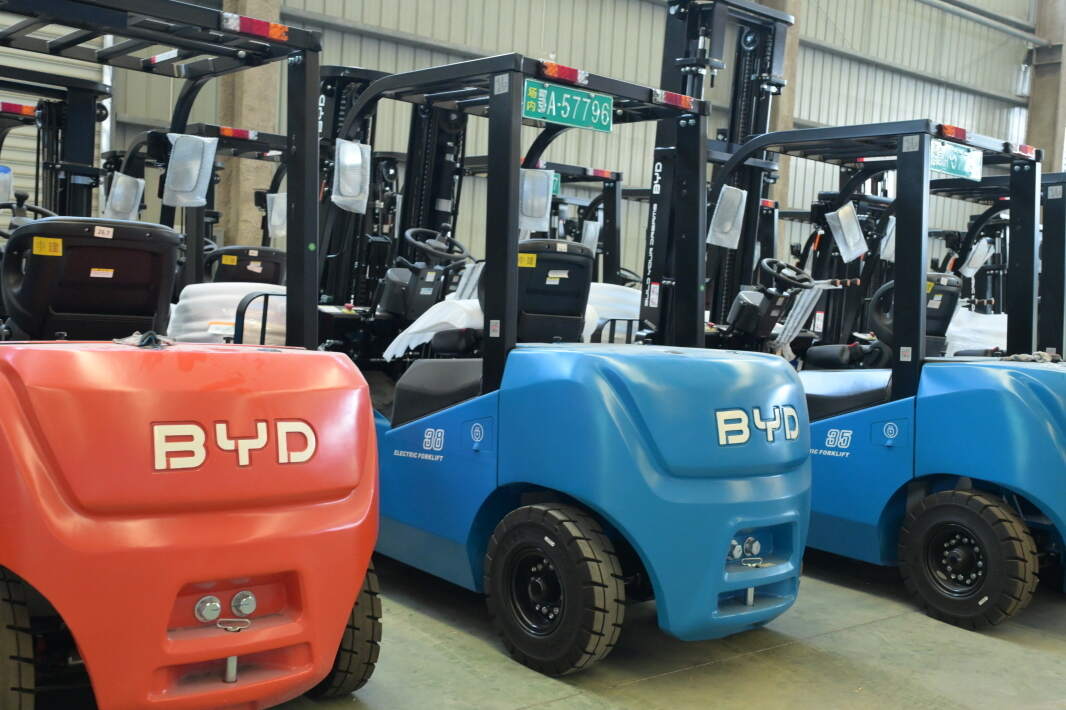
For modern warehouse and logistics facilities that run 24/7 to meet growing order fulfillment demands, multi-shift operation of material handling equipment has become a common arrangement. Choosing proper forklift power solution to match this high-intensity operation mode directly affects the smoothness of daily work, and lithium-ion powered forklifts have gained wide application in such scenarios in recent years. Operators need to grasp key characteristics of lithium-ion forklift performance under multi-shift operation to make full use of the equipment value.
1. Consistent Power Output Under Continuous Load
Different from traditional power solutions that show obvious power drop when remaining energy is at low level, lithium-ion forklifts maintain a relatively stable voltage platform during most of the discharge cycle. That means the lifting and travelling speed will not experience noticeable reduction even after hours of continuous heavy load work, which avoids extra waiting time for operators. For multi-shift scenarios, users can arrange opportunity charging during short break gaps between shifts, usually 15 to 30 minutes, to replenish enough power for the next shift’s tasks, as long as following the official operation specifications provided by the equipment manufacturer.
2. Simplified Daily Maintenance for High-frequency Use
Under multi-shift operation, forklifts usually run for far longer time than single-shift scenarios, which brings higher requirements for daily maintenance. Lithium-ion forklifts do not need the regular fluid replenishment, acid checking or other complex daily operations required by other power types. Frontline operators only need to conduct routine checks including confirming no visible damage on battery shell, no foreign matters on charging ports, to keep equipment in good status. This arrangement effectively reduces unplanned downtime caused by improper daily maintenance.
3. Environmental Adaptability Across Shifts
Multi-shift operation usually covers different time periods with varied ambient conditions, such as low temperature in early morning shifts, and long hours of continuous high load work in peak night shifts. Equipped with proper thermal management system, lithium-ion forklifts can keep the battery pack working within reasonable temperature range to deliver stable performance. It is worth noting that operators should take corresponding temperature protection measures if the working ambient temperature exceeds the rated working range of the equipment, to avoid adverse impact on long term performance.
4. Standardized Management to Prolong Stable Performance
To keep long-term stable performance of lithium-ion forklifts in multi-shift scenarios, operation teams can build simple management records to track daily charging status and cycle numbers of each unit. Arrange regular professional inspection for the battery system at specified intervals, to spot potential minor issues in early stage. Proper management rules help extend the full lifecycle stable performance of the equipment, and bring more predictable operation arrangement for the whole material handling system.


