
 简体中文
简体中文 Русский
 Français
 Português
 Español
 لالعربية

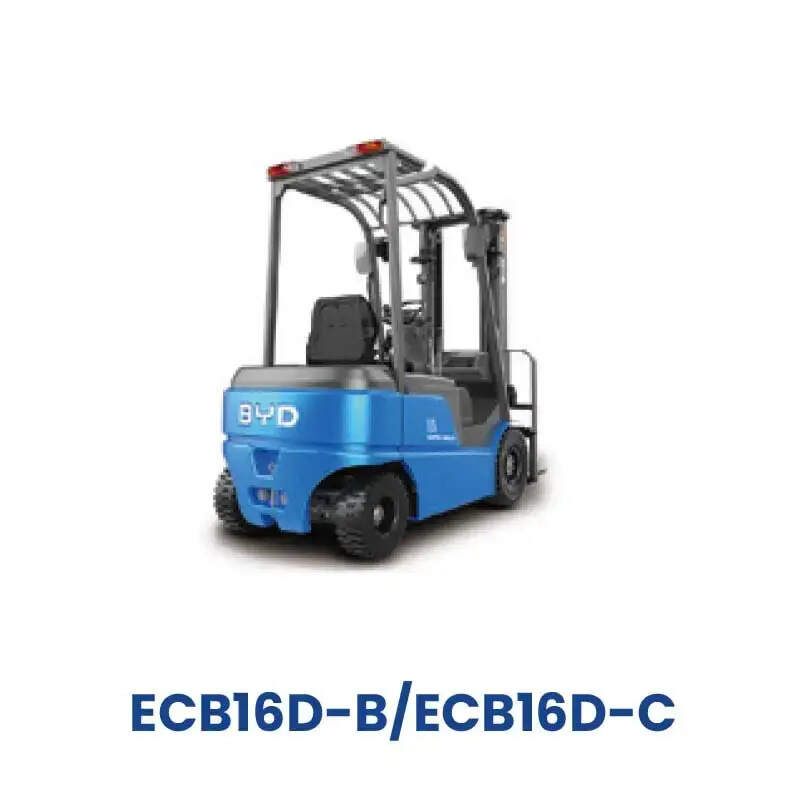
For enterprises that plan to introduce or update their material handling fleets, incomplete early-stage forklift equipment research often leads to mismatched equipment performance, excess idle capacity or frequent downtime after purchase, which will bring extra hidden costs to daily operations. Answering several core practical questions before launching formal research can greatly improve the efficiency of the whole screening process, and help teams lock in suitable equipment that matches long-term operation needs.
1. Clarify full details of actual daily operation scenarios
The research team needs to collect all basic information related to forklift application in advance, instead of referring to general parameter standards on public materials. It is necessary to confirm the average daily operation hours of the equipment, the maximum and average weight of conventional handling goods, the minimum width of operation passages in the working area, the maximum gradient of ramps that the equipment needs to pass through, and whether there are special environmental restrictions such as low temperature, high dust or splash of special chemicals in the working scene. All these basic information will become the core reference index for subsequent equipment parameter screening, to avoid the situation that the purchased equipment cannot enter narrow passages or cannot carry conventional goods normally.
2. Confirm future functional expansion demands
Except for the basic handling demands, the research team also needs to sort out possible extended demands in the next 2 to 3 years of business development. For example, whether the equipment needs to cooperate with special attachments to complete special handling work such as barrel clamping or long material carrying, whether the equipment data interface needs to be connected with the existing warehouse management system, and whether the future business growth will increase the maximum load demand or extend the daily operation time. Properly reserving reasonable performance redundancy on the premise of not causing excessive waste of investment can effectively prolong the effective service cycle of the equipment, and avoid repeated replacement of equipment in a short period of time after the business scale is adjusted.
3. Calculate the full-lifecycle operation cost systematically
Many teams only take the initial purchase cost as the core evaluation index in the early research stage, which is easy to ignore a series of subsequent continuous investment. It is necessary to calculate the matching investment of supporting charging facilities, the daily maintenance cost of power components, the replacement cost of vulnerable parts including tires and controllers within the expected service life, as well as the response efficiency of on-site after-sales service. Reasonable cost accounting for the whole life cycle can avoid the hidden cost loss caused by too long downtime of equipment due to untimely maintenance, and keep the stable operation of the whole material handling link.
After sorting out the above questions and getting clear answers, the research team can set clear screening standards in the subsequent investigation work, avoid being disturbed by unnecessary information, and finally select forklift equipment that can create stable value for daily operation.


