
 简体中文
 Русский
 Français
 Português
 Español
 لالعربية


Port Harcourt, as a core logistics and port distribution hub in southern Nigeria, sees a large volume of cargo handling demand every year, and electric stackers have become one of the most widely used material handling equipment in local warehouses, port yards and freight stations. A scientific and reasonable maintenance budget is the core foundation to guarantee the continuous and stable operation of these devices, and avoid unexpected downtime losses in peak operation periods.
Unlike other regions with mild operating environment, Port Harcourt is featured with high air humidity, large amount of sand and dust in open yards, and frequent heavy load handling requirements for electric stackers. Many local enterprises once copied the general maintenance budget standard from other regions, which easily leads to insufficient maintenance investment, resulting in accelerated aging of core components, or redundant budget allocation that causes unnecessary capital occupation.
A standard electric stacker maintenance budget for local scenarios is usually divided into three core parts. The first part is the investment of routine preventive maintenance, which accounts for about 60% of the total annual budget. This part of the fund is mainly used for regular battery performance test, motor heat dissipation system cleaning, hydraulic oil level inspection, and fastener stability check according to the monthly maintenance cycle. Sufficient investment in preventive maintenance can effectively reduce the occurrence of sudden major failures, and extend the overall service life of the equipment.
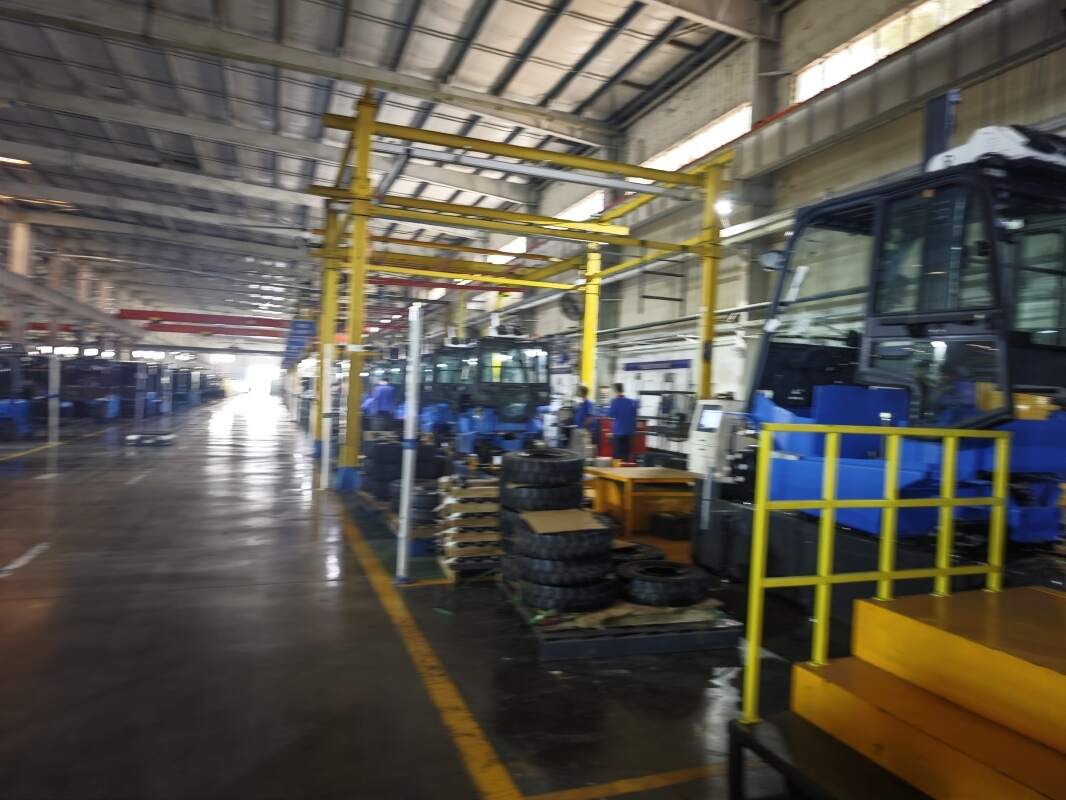
The second part is the consumable replacement reserve, which accounts for about 25% of the total annual budget. This part of the fund is reserved for regular replacement of easily worn parts including walking wheels, sealing rings, electrical contacts and other components that will generate natural loss in long-term operation. It is recommended to allocate the fund according to the actual annual operation hours of each electric stacker, to avoid insufficient consumable stock that delays maintenance progress.
The remaining 15% of the total budget can be set as emergency maintenance reserve, which is used to deal with unexpected minor faults, and cover the logistics cost of transporting spare parts in some remote operation sites. This part of the fund does not need to be spent in full every year, and the unspent part can be rolled over to the maintenance budget of the next year.
As Jianshu New Energy, we focus on BYD electric forklifts, and have rich service experience for local operation scenarios in Port Harcourt. We can provide targeted and reasonable maintenance budget planning suggestions for enterprises of different scales. If you have relevant demands for electric stacker maintenance scheme, you can send email to [email protected] for professional support.
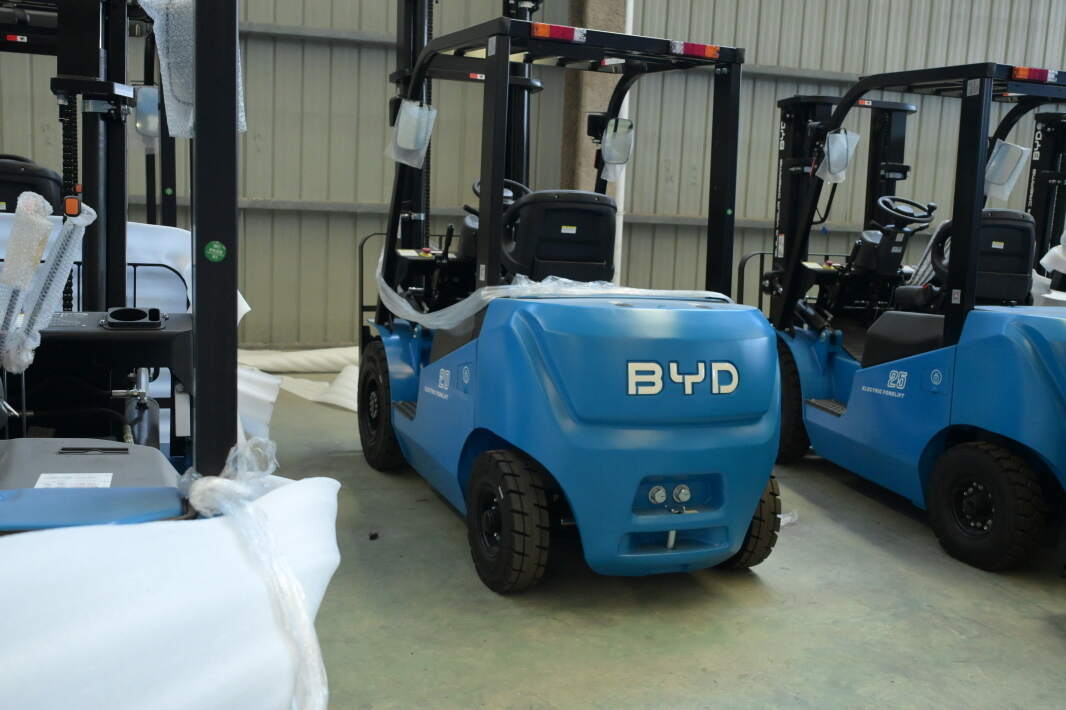
Making a clear and targeted electric stacker maintenance budget can effectively reduce the comprehensive operation cost of material handling equipment, and help local enterprises obtain more stable operation output in long-term daily work.


