
 简体中文
简体中文 Русский
 Français
 Português
 Español
 لالعربية

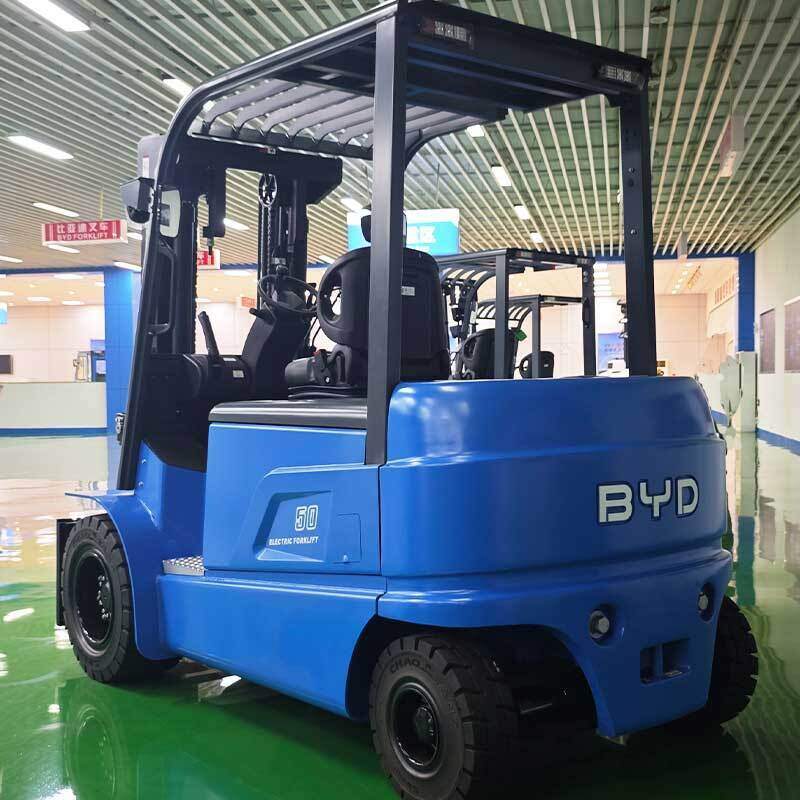
Against the backdrop of growing demand for low-carbon, low-noise material handling solutions in modern industrial and warehousing scenarios, electric forklifts have gradually become a core preferred option for most logistics and manufacturing operation teams. This industry-aligned guide sorts out practical, widely recognized operation and maintenance logic for frontline practitioners and operation managers to refer to.
Core Performance Advantages of Electric Forklifts in Common Scenarios
Unlike traditional internal combustion counterparts, electric forklifts output more stable torque at low speed, which adapts to frequent short-distance shifting, high-frequency loading and unloading work in enclosed warehouses, supermarket distribution centers and light manufacturing workshops. The zero tail emission feature also avoids potential air quality risks for staff working in enclosed spaces for long hours, and the overall operation noise level is far lower than fuel-driven models, which helps create a more comfortable working environment for on-site teams without extra noise reduction transformation.
Standardized Daily Maintenance Practices
Daily maintenance work for electric forklifts does not require overly complex professional support, most of the routine checks can be completed by on-site operation staff within 10 to 15 minutes before shift handover. Operators need to regularly check the remaining power level of the battery pack, the wear condition of driving wheels and load forks, the flexibility of lifting and steering structures, as well as the sensitivity of all safety warning components. It is not recommended to leave the device in low power state for long time after finishing daily work, which can effectively extend the overall service life of the core power system and cut unnecessary long-term replacement cost.
Practical Efficiency Optimization Tips for Daily Operation
For teams that need to arrange long-hour continuous operation, reasonably arranging the shift charging schedule according to the actual daily workload can avoid unexpected downtime that disrupts the entire material handling process. Operators are advised to plan the operation path in advance according to the storage layout, avoid overloading the equipment beyond the rated load range, and keep a proper safe distance from surrounding shelves and passing staff during driving and lifting processes. When all operation and maintenance rules are followed properly, electric forklifts can create stable, long-term value for the whole material handling operation system.


