
 简体中文
 Русский
 Français
 Português
 Español
 لالعربية


For local material handling operators across Touba, including warehouse teams, cargo distribution hubs and manufacturing facilities, four-wheel forklifts are core equipment that support daily operational efficiency. When selecting suitable electric forklift configurations, most operators face the common choice between lithium-ion battery powered models and lead-acid battery powered models, and many decisions are easily influenced by the initial listed purchase price without considering the full picture of costs across the entire equipment service cycle.
At the initial purchase stage, lead-acid battery configured four-wheel forklifts usually have a lower upfront investment, which may seem more cost-effective for teams with tight short-term budget. But it is worth noting that this apparent price gap will shrink gradually as the equipment runs for longer periods. Lead-acid batteries require regular daily maintenance, including distilled water refilling, charge equalization treatment and regular surface cleaning to avoid corrosion leakage, which requires extra dedicated labor input and corresponding consumable cost that many operators easily overlook.
For long-term operation scenarios, lithium-ion battery four-wheel forklifts show obvious advantages in controlling comprehensive operating costs. The energy conversion efficiency of lithium-ion batteries is significantly higher than that of lead-acid batteries, which means operators can complete the same tonnage of handling tasks with less power consumption, effectively reducing daily electricity expenditure. Besides, lithium-ion batteries do not need regular daily maintenance, which saves the labor cost spent on battery care, and avoids the risk of operation pause caused by improper maintenance. For most two-shift operation teams in Touba’s busy cargo distribution areas, lithium-ion batteries support short opportunity charging during break time, no extra battery swap preparation work is needed, which greatly reduces the downtime that would bring invisible operation losses.
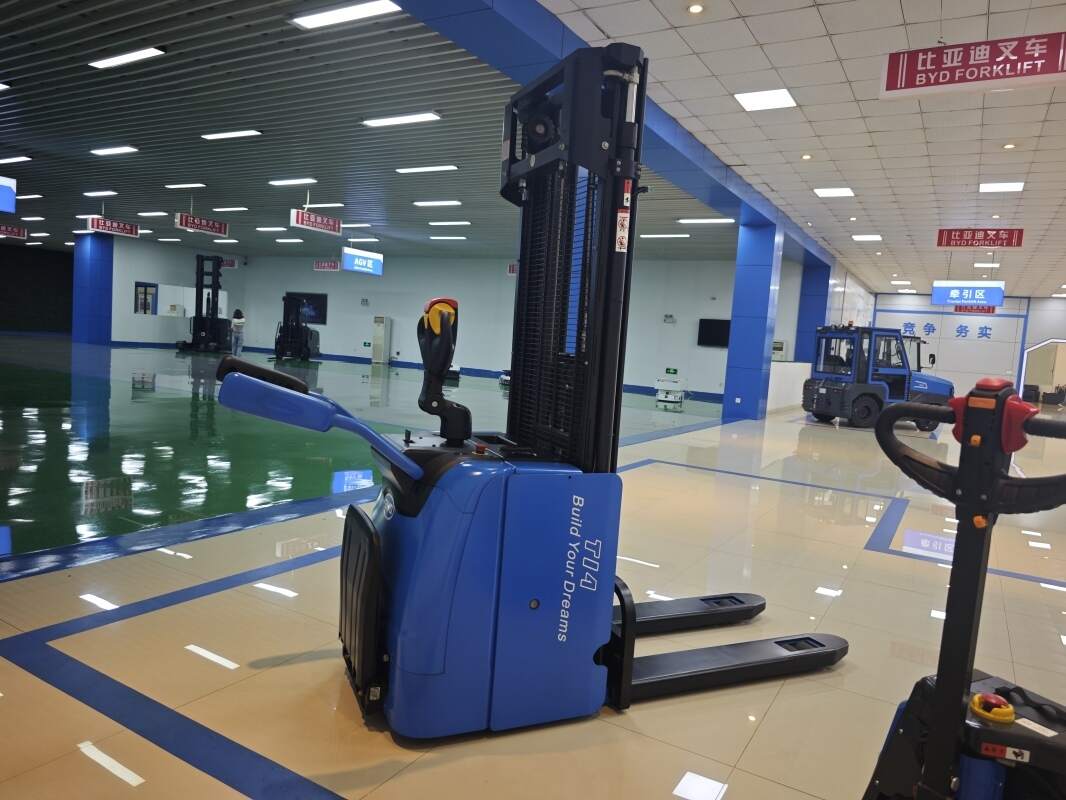
In terms of service life, normally used lead-acid batteries can support 1000 to 1500 charge-discharge cycles, while high-quality lithium-ion batteries can stably support more than 3000 charge-discharge cycles. Operators using lead-acid forklifts usually need to replace the full battery set once every 2 to 3 years under high frequency operation, while lithium-ion forklifts can run stably for more than 8 years under the same use intensity, and the residual value of the equipment at the end of service life is also relatively higher.
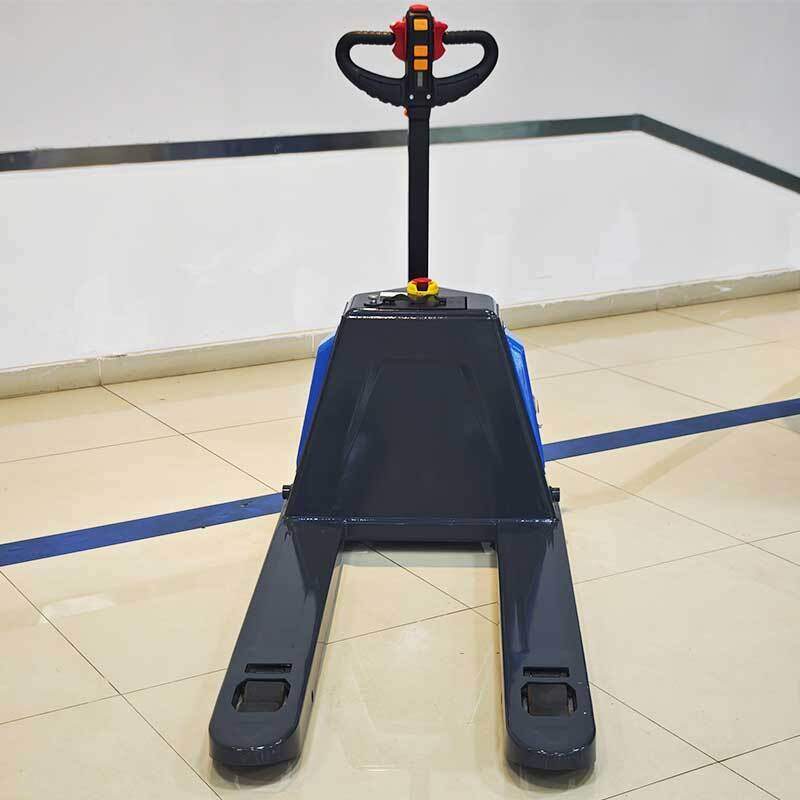
Jianshu New Energy, focusing on BYD electric forklifts, provides full transparent cost evaluation services for local operators in Touba, we can combine your actual daily operation intensity, shift arrangement and site condition to work out the most suitable forklift configuration plan. You can send email to [email protected] to get exclusive cost analysis support for your project.


