
 简体中文
 Русский
 Français
 Português
 Español
 لالعربية


Starting from daily warehouse operation, logistics distribution to manufacturing material handling scenarios across Pretoria, four-wheel forklifts have become core equipment to support smooth material flow. Many local operation teams face a common dilemma when updating their forklift fleets: choosing lithium-ion battery models or traditional lead-acid battery units, with most decision-makers initially focusing only on the upfront purchase price while ignoring accumulated hidden cost items in the whole operation cycle.
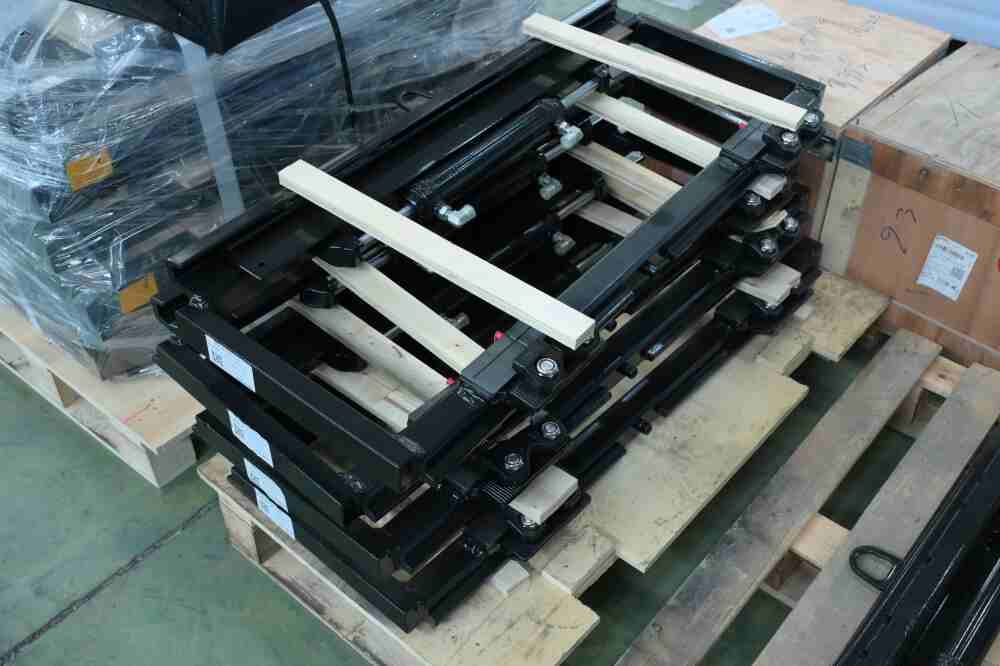
For upfront input, lead-acid four-wheel forklifts usually carry lower direct purchasing prices at the first glance. But operators also need to count in supporting facilities that are necessary for regular use: dedicated ventilated charging rooms, water replenishment tools for battery maintenance, and extra standby battery packs for multi-shift operation scenarios. Lead-acid batteries usually take 8 to 10 hours for full charging, and deep discharge will cause irreversible damage to battery health, so most two or three-shift operation teams need to prepare 1 to 2 extra battery packs to ensure continuous operation, and the accumulated extra input will greatly narrow the initial price gap between lead-acid and lithium-ion forklifts.
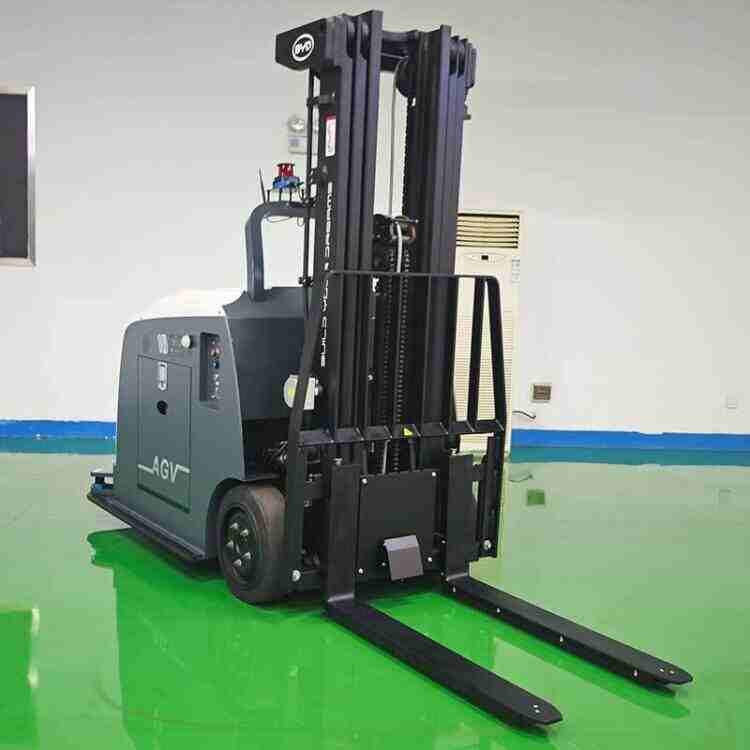
In terms of daily operation cost, lithium-ion batteries present 30% higher energy conversion efficiency than lead-acid alternatives, which means the same load and operation duration will consume less industrial electricity under Pretoria’s local grid price system. Lead-acid batteries require regular maintenance work including weekly water replenishment, terminal cleaning, scheduled equalization charging and quarterly capacity inspection, which takes up a lot of working hours of operation or maintenance staff, the related labor cost will form a considerable accumulated expense within one operation year.
When it comes to full life cycle cost, the normal cycle life of lithium-ion forklift batteries is 3 to 4 times that of standard lead-acid batteries. A well maintained lead-acid battery will drop below 80% of rated capacity after 1000 to 1500 charge cycles, while qualified lithium-ion batteries can support over 4000 stable charge cycles, which extends the battery replacement interval significantly. Besides, the residual value of retired lithium-ion batteries is higher than that of lead-acid counterparts, and lead-acid batteries need special hazardous waste disposal procedure in Pretoria, the related processing cost is also a necessary expenditure that many operators omit from previous cost accounting.
For local teams pursuing higher operation efficiency, lithium-ion four-wheel forklifts support opportunity charging, which can get enough power for 2 to 3 hours of operation within 15 to 30 minutes of break time, no battery swap process is needed at all. The higher effective operation time of equipment can better support peak handling demands in busy seasons, and further lift the overall material flow turnover efficiency.
As Jianshu New Energy, we focus on professional BYD electric forklift solutions. We provide customized cost accounting service for local Pretoria material handling operators of different scales, if you need to get exclusive fleet cost evaluation report, you can send email to [email protected] for free consultation.


