简体中文
 Русский
 Français
 Português
 Español
 لالعربية


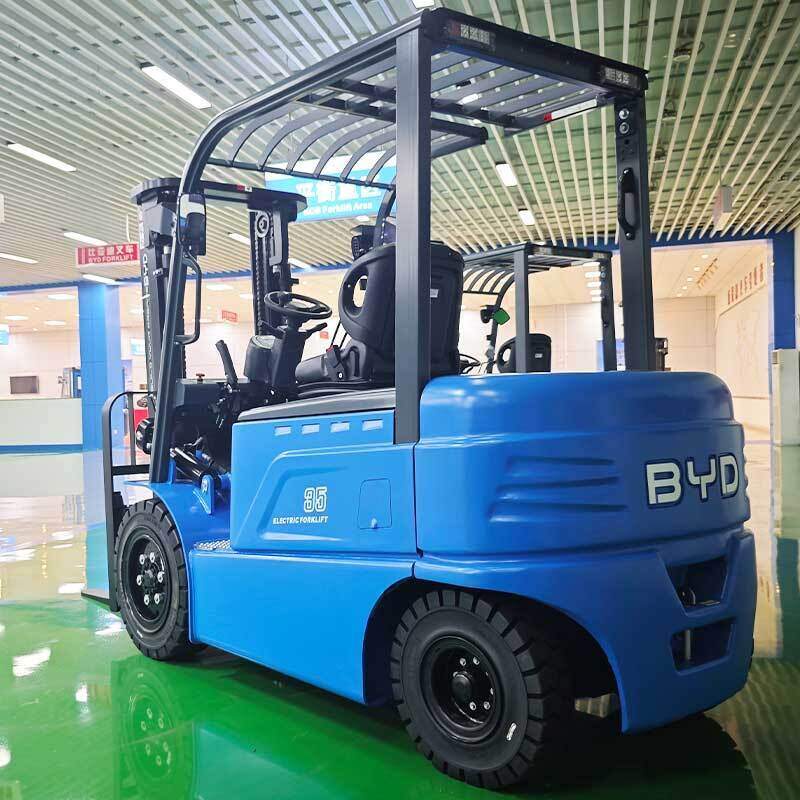
In Pretoria, the fast-growing warehousing, manufacturing and distribution sectors have seen rising demand for stable, low-cost material handling solutions in recent years. Many local operators that previously used traditional internal combustion stackers have turned to electric alternatives to cut unnecessary operational expenses, and the savings come from multiple practical, verifiable dimensions across the whole service cycle of the equipment.
First of all, the savings come from daily energy consumption expenditure. The price of traditional fossil fuel for industrial equipment in local market often fluctuates with international market changes and local supply adjustments, which makes it hard for enterprises to make stable cost budgets. Electric stackers run on grid power, and users can arrange charging schedules during off-peak electricity price periods to further reduce energy costs. Calculated by the same tonnage and working hours, the unit operating cost of electric stackers is far lower than that of internal combustion counterparts, which brings continuous and visible cost reduction effect for long-term operation.
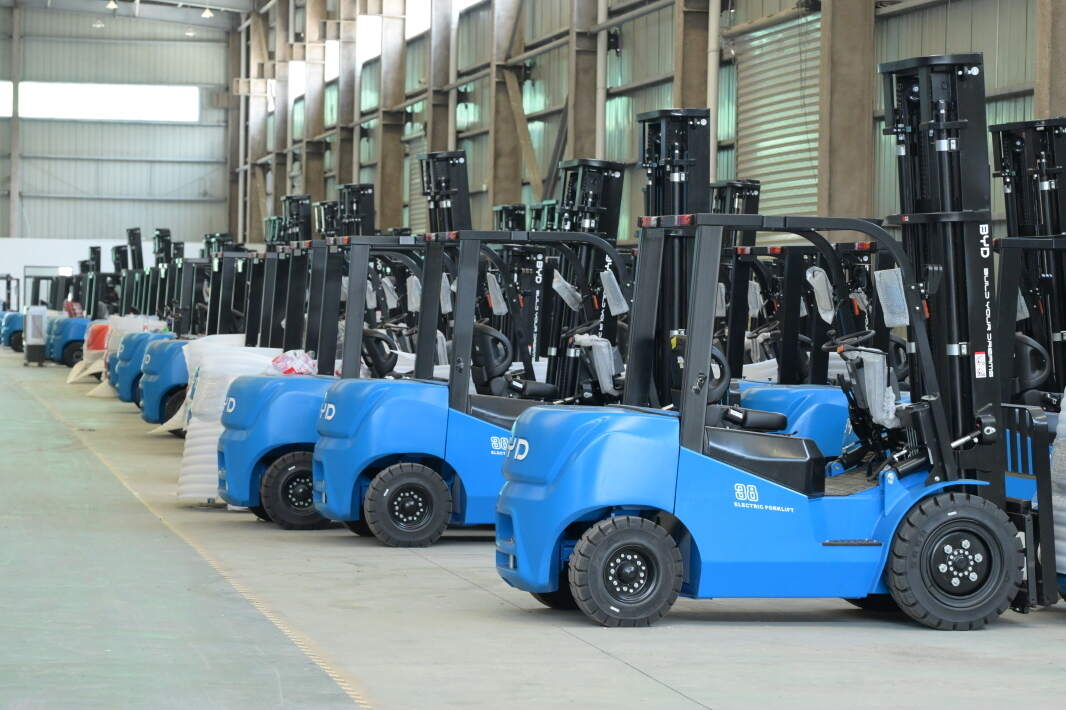
The second source of savings comes from maintenance and upkeep expenditure. The power structure of electric stackers is much simpler than that of internal combustion equipment, and it does not require regular replacement of engine oil, fuel filters, exhaust system accessories and other wearing parts that are necessary for traditional fuel equipment. The number of routine maintenance items is greatly reduced, the labor time for maintenance is shortened, and the annual comprehensive maintenance cost can be controlled at a relatively low level.
Third, electric stackers can help enterprises save extra compliance-related costs. In recent years, relevant regulatory authorities in Pretoria have put forward clearer requirements for industrial exhaust emission and operation noise in core industrial zones and closed indoor warehouses. Traditional internal combustion stackers need to pass regular emission detection to get access to specific operation areas, and unqualified emission indicators will lead to extra fines or use restrictions. Electric stackers produce zero exhaust emission during operation, and the operating noise is kept at a low level, which can freely meet all local regulatory requirements, and avoid additional unplanned expenditure caused by non-compliance.
Last but not least, the savings also come from the improvement of overall operation efficiency. The control system of electric stackers is smooth and easy to learn, operators can get familiar with the operation logic in a short time, and they will not feel obvious fatigue after long hours of continuous work, which helps to increase the effective working time per shift. For closed indoor warehouse scenarios, the zero-emission feature of electric stackers also reduces the demand for extra ventilation system operation, which cuts the supporting energy consumption of the whole warehouse indirectly.
For local enterprises of all scales in Pretoria that need stacker equipment, calculating the full life cycle cost, the comprehensive cost advantage of electric stackers is very prominent. We are JianShu New Energy, focusing on BYD electric forklifts. For more relevant consultation, please send emails to [email protected].