简体中文
 Русский
 Français
 Português
 Español
 لالعربية


For warehouse, port and logistics operators based in Freetown, choosing the right power source for four-wheel forklifts directly impacts long-term operational profitability, especially amid the steady rise of material handling demand across local freight, retail and construction sectors. Many site managers often hesitate between traditional lead-acid battery configurations and new-generation lithium-ion battery setups, making decisions solely based on upfront purchase price without calculating full-cycle cost.
At the initial purchase stage, a lead-acid powered four-wheel forklift usually carries a relatively lower sticker price, since the production process of lead-acid batteries is more mature and accessible in many regional supply chains. But this apparent low cost is offset by multiple hidden expenditures that accumulate in the following years of use.
For daily operation in Freetown’s local climate, where average ambient temperature stays between 25 to 32 degrees Celsius most of the year, lead-acid batteries require regular distilled water top-up every 1 to 2 weeks, and dedicated ventilation space for charging to avoid gas accumulation. Operators also need to arrange extra working hours for staff to complete battery maintenance work, which adds extra labor cost that is often overlooked in initial budget. In comparison, lithium-ion batteries for four-wheel forklifts require no regular water top-up, and support opportunity charging during work breaks, which eliminates the need to purchase backup spare batteries for multi-shift operation, cutting extra equipment investment directly.
The typical service lifespan of a properly maintained lead-acid forklift battery in local working conditions ranges from 1200 to 1800 charge cycles, while a standard lithium-ion forklift battery can reach 3000 to 5000 charge cycles under equivalent use frequency. Calculated based on 5-year use cycle, the average annual battery amortization cost of lithium-ion configurations is lower than that of lead-acid alternatives, even counting the higher initial purchase expense. For multi-shift logistics sites in Freetown’s port area and large industrial parks, the efficiency gain brought by fast charging of lithium-ion forklifts can also reduce idle equipment waiting time, lifting overall material handling throughput by 15% to 20% on average.
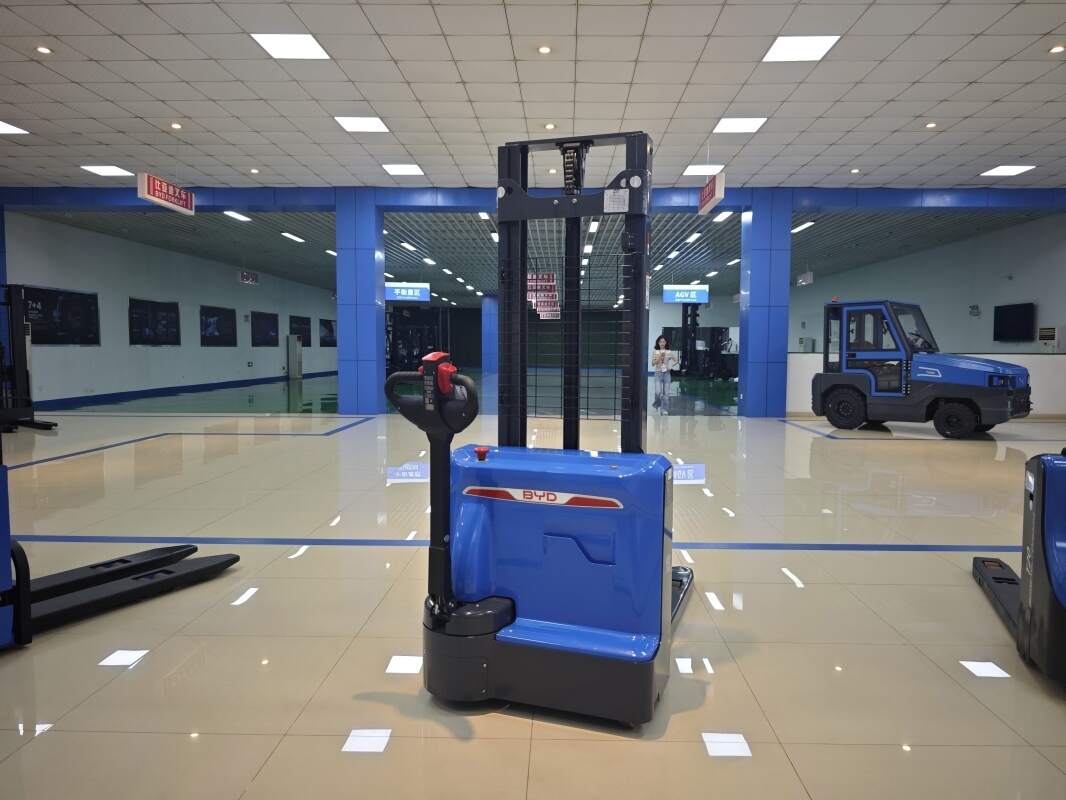
We are Jianshu New Energy, a professional electric forklift solution provider focusing on BYD electric forklift supply and localized after-sales service. For customized cost calculation that fits your specific operation scenario, you can reach us via email at [email protected].