
 简体中文
简体中文 Русский
 Français
 Português
 Español
 لالعربية

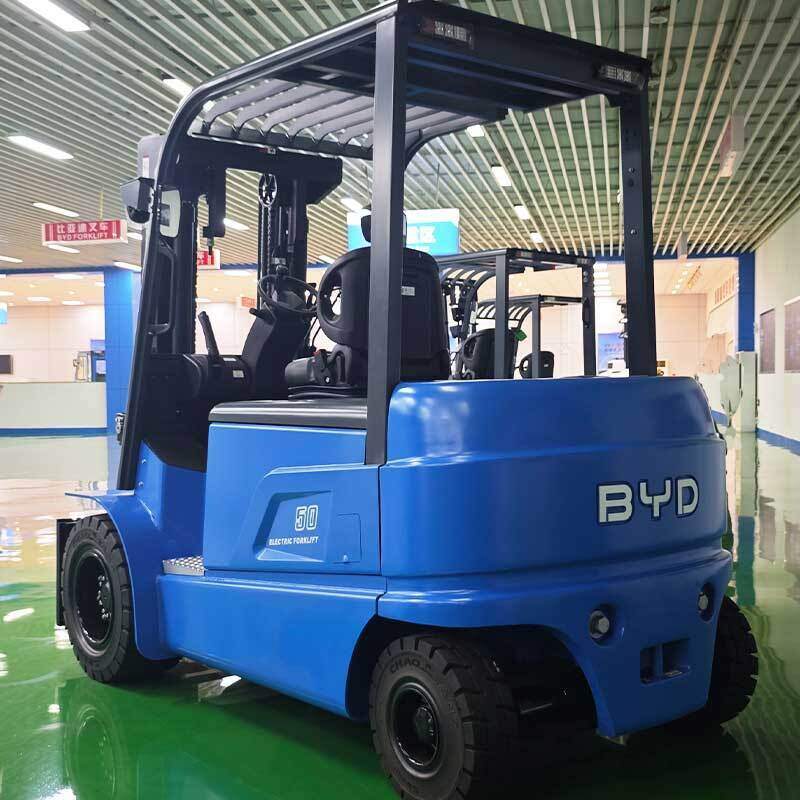
Against the backdrop of global low-carbon transformation across the logistics and industrial sectors, electric forklifts have emerged as a mainstream choice for indoor and semi-outdoor material handling, meeting the rising demand for clean, low-noise, easy-to-maneuver operation in diversified work scenarios.
Core Functional Advantages of Electric Forklifts
Unlike traditional internal combustion handling equipment, properly designed electric forklifts produce zero tail gas emission during operation, which makes them fully compatible with enclosed storage spaces, food processing workshops, pharmaceutical warehouses and other scenarios with strict environmental hygiene requirements. The running noise of qualified electric forklift products is controlled at a relatively low level, reducing noise disturbance to surrounding staff, and the smooth power output system cuts down unnecessary jolts during cargo lifting and moving, lowering the risk of cargo damage and improving overall operation stability.
Standardized Daily Operation Specifications
All operators need to complete systematic pre-job training to master basic operation logic and safety rules. Before starting each shift, operators are supposed to conduct simple pre-checks on remaining battery power, braking system sensitivity, and surface wear condition of forks. During operation, the driving speed should match the pedestrian and cargo flow density of the specific working area, and sudden steering or emergency braking that may cause cargo falling or vehicle tipping over should be avoided. The total weight of loaded cargo should not exceed the rated load of the corresponding forklift model, and operations such as lifting personnel directly with forks are strictly prohibited to eliminate potential safety risks.
Routine Maintenance Suggestions for Extended Service Life
Compared with internal combustion equipment, electric forklifts require far less complicated maintenance procedures, no frequent oil circuit cleaning or fuel filter replacement is needed in daily use. The core maintenance focus falls on the power battery system: operators should regularly check the tightness of electrode connections, clean floating dust and thin oxidation layer on the electrode surface on a monthly basis, and use only matching charging devices to supplement power as required. If the equipment will be left unused for more than 7 days, the battery should be kept at 50% to 70% state of charge, and the equipment should be started and run for 10 to 15 minutes every week to maintain the activity of the whole circuit system.
Energy Efficiency Optimization Tips for Higher Productivity
Users can make reasonable daily operation plans to cut down unnecessary long-distance driving paths, avoid long-time idle standby status, and select appropriate power output level according to the actual cargo weight, so as to extend the working duration under one full battery charge. Many teams also arrange the charging process during off-peak electricity periods, to further reduce the full-cycle operation cost of the whole fleet.


