简体中文
 Русский
 Français
 Português
 Español
 لالعربية


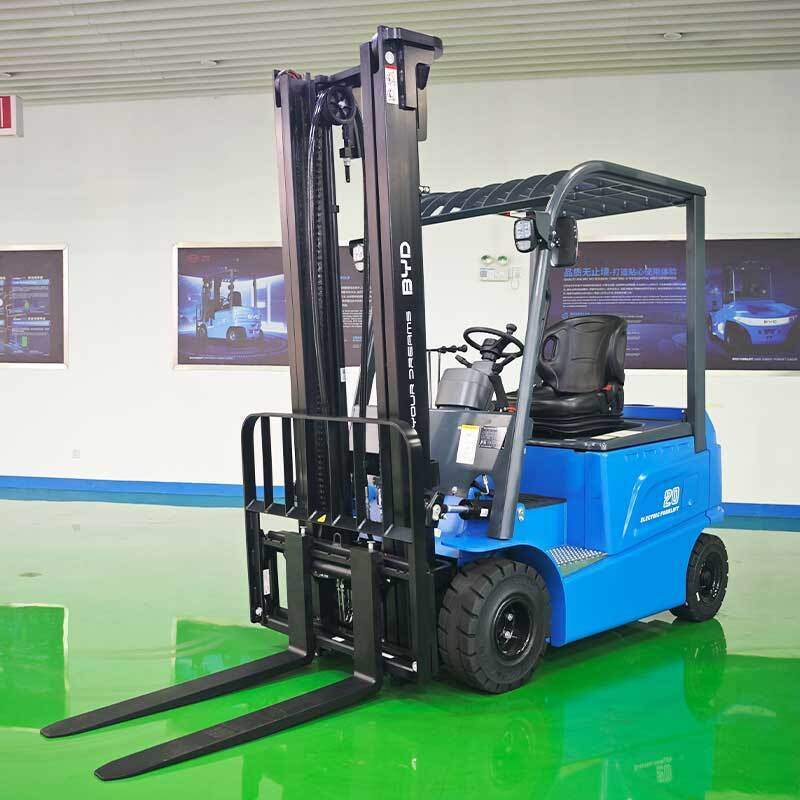
In recent years, the rapid development of cross-border trade and local warehousing logistics in Togo has driven growing market demand for material handling equipment, especially order pickers that support high-efficiency goods sorting operations. For most local enterprise users, the cost difference between lithium battery and lead-acid battery configurations of BYD order pickers is one of the core factors to be considered in equipment procurement and operation planning.
The first noticeable cost difference lies in the upfront procurement stage. Lead-acid battery configured order pickers usually have a lower initial purchase price, which is more friendly for teams with limited short-term budget. While lithium battery configured units have a relatively higher upfront input, the cost gap has been narrowed significantly with the mature application of related technology in recent years.
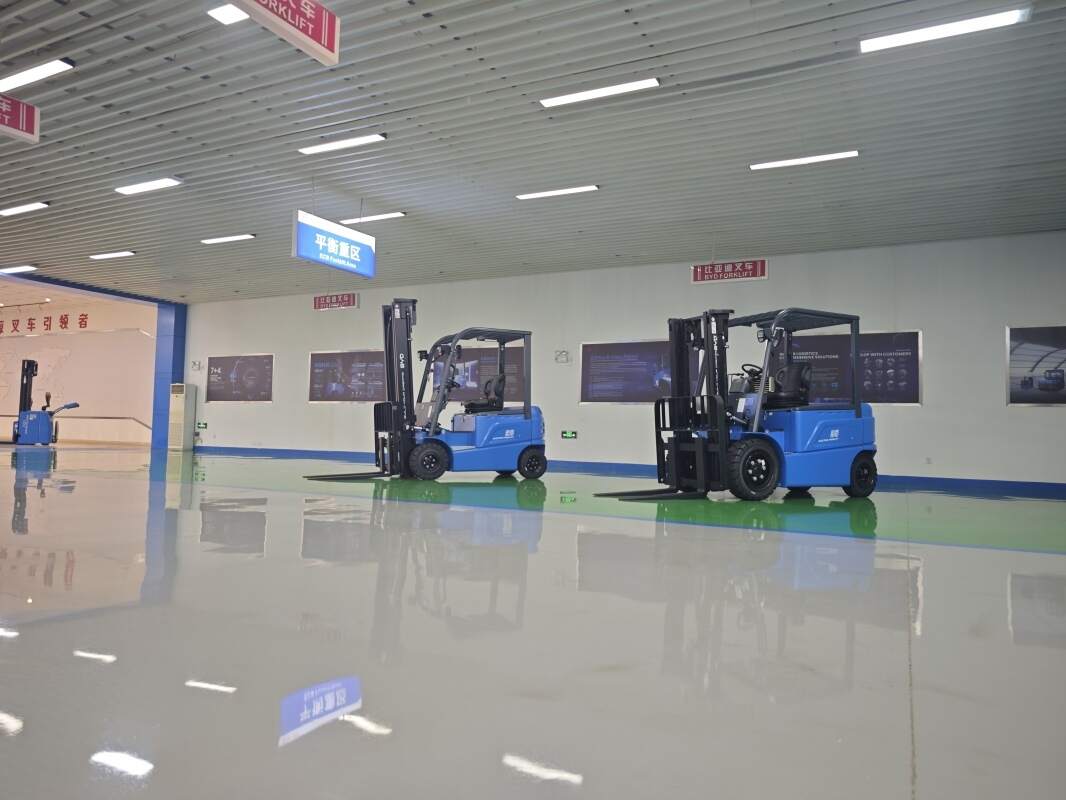
In the daily operation stage, the two configurations show obvious differences in comprehensive cost performance. For lead-acid batteries, users need to arrange special personnel to carry out regular water replenishment, equalization charging, and shell cleaning during daily use, which will generate additional labor and management costs. At the same time, the full charging cycle of lead-acid batteries usually takes 8 to 10 hours, and extra spare batteries need to be prepared to support multi-shift operations, which will further increase the hidden cost of equipment input. For lithium battery configurations, there is no need for daily maintenance operations related to electrolyte, and the fast charging function can complete 2 to 3 hours of working power supply within 30 minutes of staff break time, no extra spare batteries are required for most two-shift operation scenarios, which can effectively reduce the extra supporting input of users. Combined with the local high temperature climate characteristics in Togo, the performance attenuation rate of lithium batteries in high temperature environment is more stable than that of lead-acid batteries, which can reduce the additional loss caused by environmental factors in long-term use.
From the perspective of full life cycle cost accounting, the cycle service life of lithium batteries is several times that of conventional lead-acid batteries, which means the service life of lithium battery configured order pickers can match the whole service cycle of the vehicle body, while lead-acid batteries usually need to be replaced 2 to 3 times during the same use period, and the subsequent battery replacement and waste battery disposal costs will also generate extra expenditure. In terms of residual value after use, the recycling value of retired lithium batteries is also higher than that of lead-acid batteries, which can further reduce the comprehensive use cost of users.
For different operation scenarios, users can select the most appropriate configuration according to their own daily operation hours, operation shifts and budget arrangement. We are Jinshu New Energy, focusing on BYD electric forklift related services, if you need targeted cost accounting and scheme consultation, please send your demand to [email protected].