
 简体中文
 Русский
 Français
 Português
 Español
 لالعربية


For local logistics, manufacturing and warehouse operation teams in Sikasso, choosing the right power solution for electric stackers is a core decision that directly impacts long-term operational budget. As a professional service provider focused on BYD electric forklifts, Jian Shu New Energy has sorted out practical cost references for local users based on actual operation data collected from the Sikasso market, covering both lithium battery and lead-acid battery power configurations for BYD electric stackers.
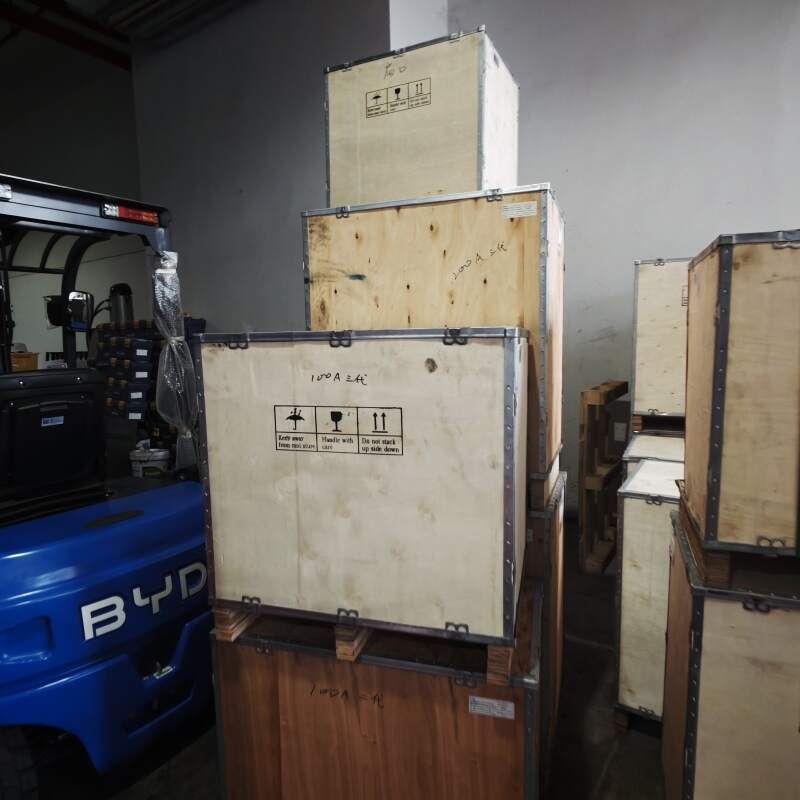
At the initial purchase stage, the lead-acid battery equipped BYD electric stacker has a relatively lower upfront input. The lead-acid battery pack has mature production and supply chain systems in the current market, so the matching cost is more friendly for teams that have short-term small-volume usage demand. For teams that only use the stacker for less than 4 hours per day with light load weight, the upfront cost of lead-acid configuration can meet short-term budget arrangement without extra heavy financial pressure.
When expanding the calculation cycle to the full 5 to 7 year service life of BYD electric stackers, the total cost difference between lithium and lead-acid solutions gradually shows up. For lithium battery configured units, users do not need to carry out frequent fluid supplementation, regular cell activation, and other routine maintenance work required for lead-acid batteries, which can save a lot of labor and consumable cost in daily operation. In Sikasso's local high temperature environment, lithium battery units also have more stable energy conversion efficiency, which reduces the extra power consumption loss caused by temperature fluctuation.
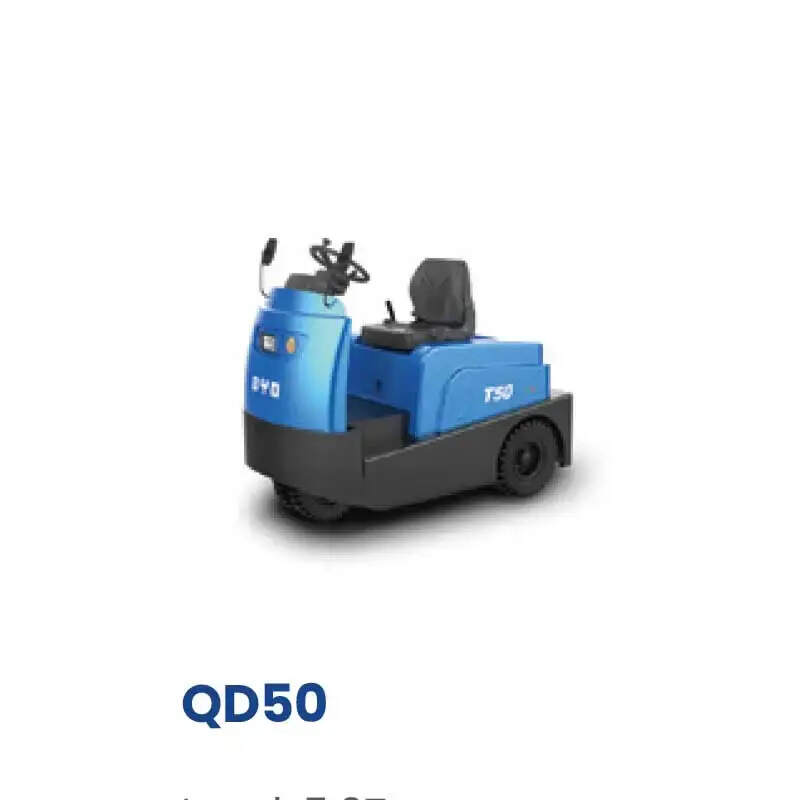
For local operation teams that have more than 6 hours of daily usage and need frequent shift work, lithium battery BYD electric stackers can support fast charging during short break time, no need to prepare extra standby battery and special independent charging area, which further saves the site and manpower input related to battery replacement. Lead-acid battery units will see obvious performance attenuation after 1 to 2 years of high-intensity use, and users need to arrange battery replacement in advance to avoid affecting normal operation, which will generate extra unplanned expenditure in the mid-term of equipment use.
All the cost data we provided is based on actual local operation cases in Sikasso, and users can choose the most suitable power configuration according to their own operation rhythm, load demand and budget arrangement. As a professional team focused on BYD electric forklifts, we provide full-cycle consultation and supporting service for local users. If you have further demand for configuration matching and cost calculation, you can contact us via [email protected] for more detailed support.


