简体中文
 Русский
 Français
 Português
 Español
 لالعربية


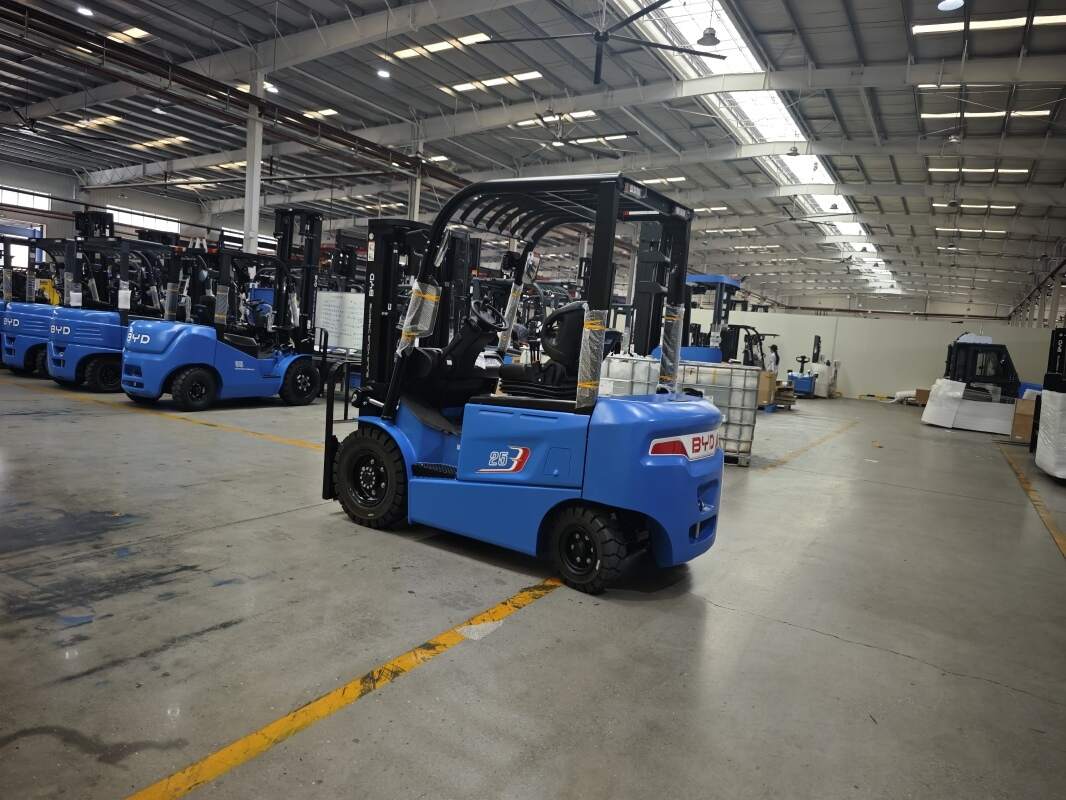
Against the backdrop of global low-carbon logistics transformation, electric forklifts have become the preferred handling equipment for more and more warehousing, manufacturing and port scenarios, thanks to their zero local emission, low operation noise and stable performance output features. Before introducing electric forklifts into daily operation teams, enterprise managers need to sort out multiple core factors to avoid mismatches between equipment and actual demands, and create higher value for the whole handling system.
The first key point is full consideration of actual working conditions. Teams need to clarify core parameters including daily average handling volume, maximum rated load required for regular goods, maximum lifting height of cargo racks, minimum width of operation channels, and site attributes, such as indoor closed space or open outdoor yard, flat cement road or slope-heavy working area. Matching equipment parameters according to actual demands can not only avoid unnecessary cost waste caused by redundant configuration, but also prevent insufficient performance of vehicles from affecting normal operation rhythm.
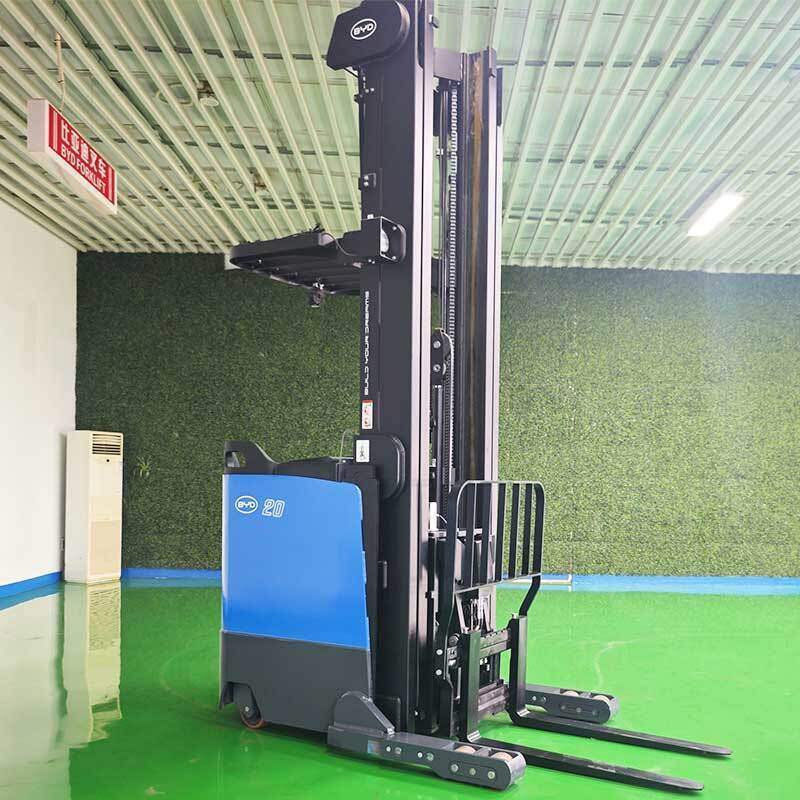
The second core consideration is the power and supporting charging solution. You can count the total daily operation hours of forklifts first, confirm whether the operation mode is single-shift, double-shift or even three-shift, then select matching battery capacity and charging mode, and plan reasonable charging pile layout in the operation site. Proper power matching can effectively avoid unexpected power outage during peak operation hours, and reduce the waiting time for energy replenishment.
The third factor that cannot be ignored is the total life cycle cost assessment. In addition to the initial procurement cost, teams need to make a reasonable budget for later energy consumption cost, regular maintenance cost, vulnerable part replacement cost and the residual value of the vehicle after several years of use. A scientific cost accounting can help enterprises obtain more stable long-term return on investment.
Last but not least, safety and compliance attributes shall be checked strictly. Standard electric forklifts are equipped with mature safety configurations including anti-slip function on slopes, speed limit adjustment and optimized driving vision, which can meet the safety operation specifications of most logistics and manufacturing sites, and also meet the environmental protection requirements of closed indoor operation spaces.
If you have demands for electric forklift consultation, supporting scheme design and after-sales support, Jian Shu New Energy, which focuses on BYD electric forklift related services, can provide you with professional whole-process support. You can send your specific demands to our email box: [email protected] for further communication.