
 简体中文
简体中文 Русский
 Français
 Português
 Español
 لالعربية

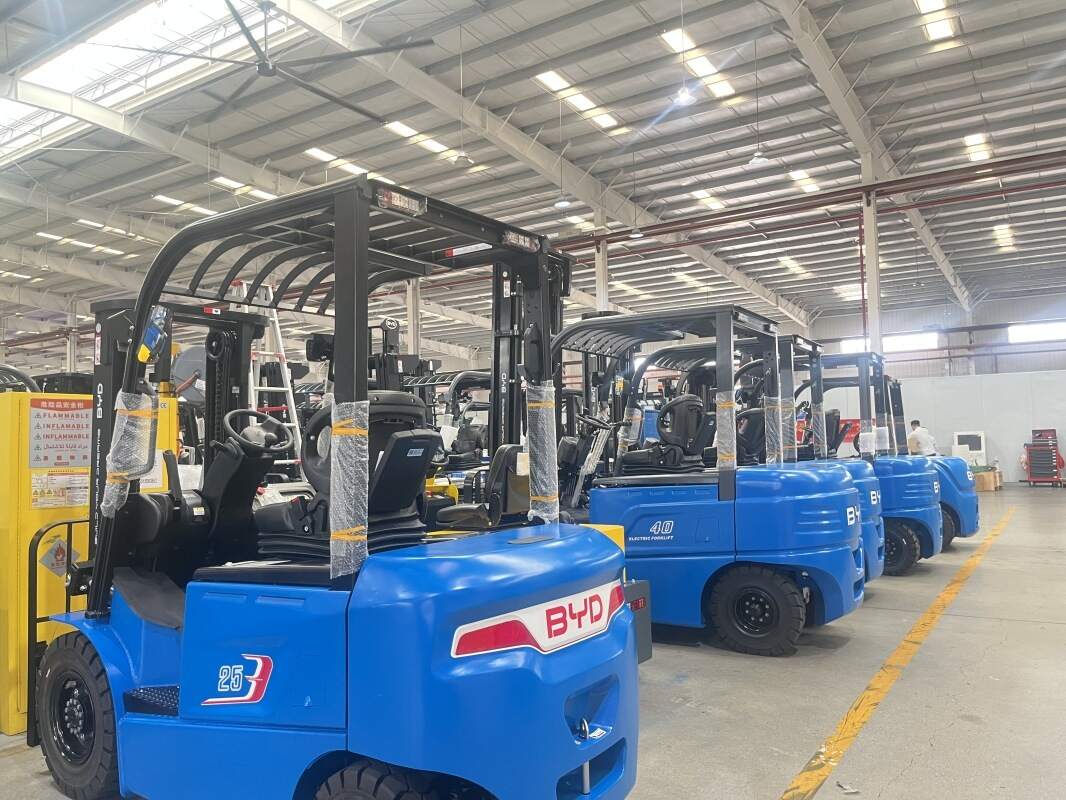
When you conduct electric forklift procurement and equipment research, you may easily focus on parameters like rated load capacity and maximum lifting height, while overlooking the forklift duty-cycle ratings that directly decide long-term operation stability. This set of standardized test data reflects the comprehensive endurance of the whole vehicle under continuous working conditions, rather than a single limit index, which plays a core guiding role for your final equipment selection decision.
First of all, you need to clarify the basic definition of forklift duty-cycle ratings in the equipment research phase. These ratings are calculated based on standardized test conditions set in advance, which measure the maximum allowed continuous operation duration of the forklift under specific average load, start-stop frequency, and power consumption conditions. The common marking specifications include 1-hour, 2-hour, 4-hour and 8-hour duty cycle ratings, which correspond to the working intensity that the equipment can maintain stable performance for the specified duration without obvious overheating, power attenuation or functional failure.
Next, you can split the interpretation process according to your actual operation data. You can first sort out the core operation data of your own site in the past 6 to 12 months, including the average load weight per operation, the proportion of peak load in total operations, the number of start-stop and lifting actions per hour, the total continuous operation hours per shift, and additional environmental factors such as frequent ramp climbing, low temperature refrigeration storage operation or high dust working conditions. You need to match these data to the corresponding duty-cycle rating level, rather than directly selecting the highest rated parameter blindly. For example, if your site works two 8-hour shifts every day, and the average load is 70% of the maximum marked load, you can select the corresponding duty-cycle rating that supports 8-hour continuous operation under 70% average load, instead of wasting extra procurement cost on excessive parameters that do not match your actual demand.
After preliminary matching, you can further verify the rationality of the parameter selection by referring to the actual operation records of the same working condition. You can consult the equipment supplier for the reference of actual operation performance data under similar duty cycle, to confirm that the battery discharge stability, motor heat dissipation performance and hydraulic system continuous operation performance can meet your long-term use demand. Correctly interpreting forklift duty-cycle ratings in the research phase can effectively avoid frequent equipment downtime caused by insufficient working intensity matching, reduce unnecessary maintenance cost input in later period, and help you get the proper electric forklift solution that matches your actual material handling demand.


