
 简体中文
 Русский
 Français
 Português
 Español
 لالعربية


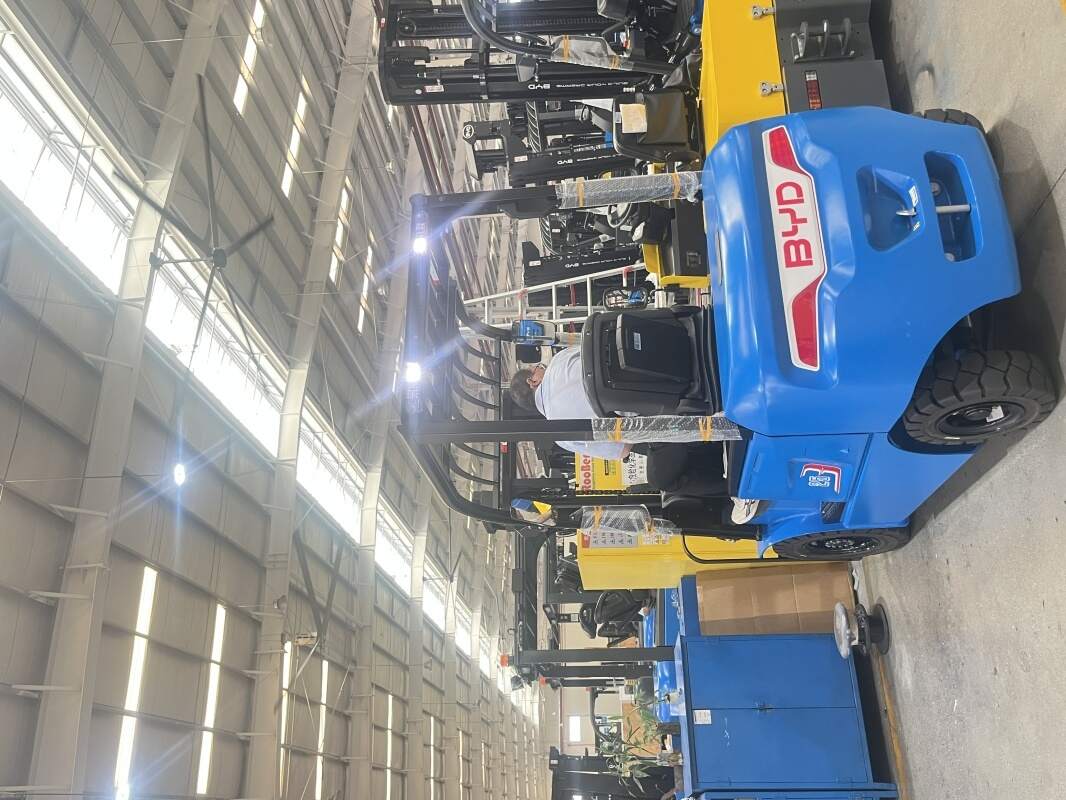
In recent years, electric forklifts have become one of the most common core equipment in indoor warehousing, manufacturing workshop material distribution and other scenarios, with low noise, zero local emission and relatively low long-term operating cost characteristics. Many practitioners often encounter problems such as insufficient endurance in peak operation period, abnormal component wear in advance, which are mostly related to non-standard operation and lack of targeted maintenance. The following content will share practical, operable professional suggestions for industry practitioners.
Master Standard Daily Operation Norms
Most improper operation behaviors are formed in the long-term unnoticeable usage process. For example, frequent sudden acceleration and sudden braking in no-load state will increase the loss of motor and brake system, and long-term overloading beyond the rated load range will bring extra pressure to the lifting hydraulic system and wheel structure. Operators need to receive systematic pre-post training, be familiar with the corresponding operation panel logic and equipment parameter range of the model, and avoid frequent sharp steering when the vehicle is running at high speed, which can reduce most of the unnecessary wear in daily use.
Carry Out Targeted Routine Maintenance Arrangement
Different from internal combustion forklifts, the core components of electric forklifts focus on power system, control circuit and energy storage components. Operators can make a reasonable maintenance schedule according to the actual working intensity. After each shift, they can simply check the surface cleanliness of the power components, the tightness of the tire screws, and the residual power level, and do a good job of ventilation and heat dissipation of the equipment after long hours of high-intensity operation. Regular professional inspection of the circuit connector tightness, the wear degree of the driving brush, can effectively avoid unexpected equipment failure in the peak production period.
Optimize Matching Between Usage Scenarios and Equipment Performance
Different types of electric forklifts have corresponding applicable scene boundaries. For example, the models for light-load short-distance handling are not suitable for long-time high-lift heavy load operation. The management side can reasonably allocate equipment according to the daily handling volume, channel width, and goods weight of different working areas, avoid using equipment that does not match performance parameters in high-intensity operation scenarios for a long time, which can effectively improve the overall operation efficiency of the fleet, and also help to balance the wear degree of different equipment and extend the overall average service life.
Abide by Safety Operation Rules to Avoid Man-made Damage
Standard safety operation rules not only help to reduce the risk of on-site operation accidents, but also avoid unexpected impact damage to the equipment. For example, do not use the door frame to push other goods or equipment, do not park the vehicle on a steep slope for a long time, and turn off the main power supply in time after the operation is completed. These small operation details can avoid many unplanned equipment damage, reduce unnecessary maintenance investment, and create more stable value for daily material handling work.


