
 简体中文
 Русский
 Français
 Português
 Español
 لالعربية


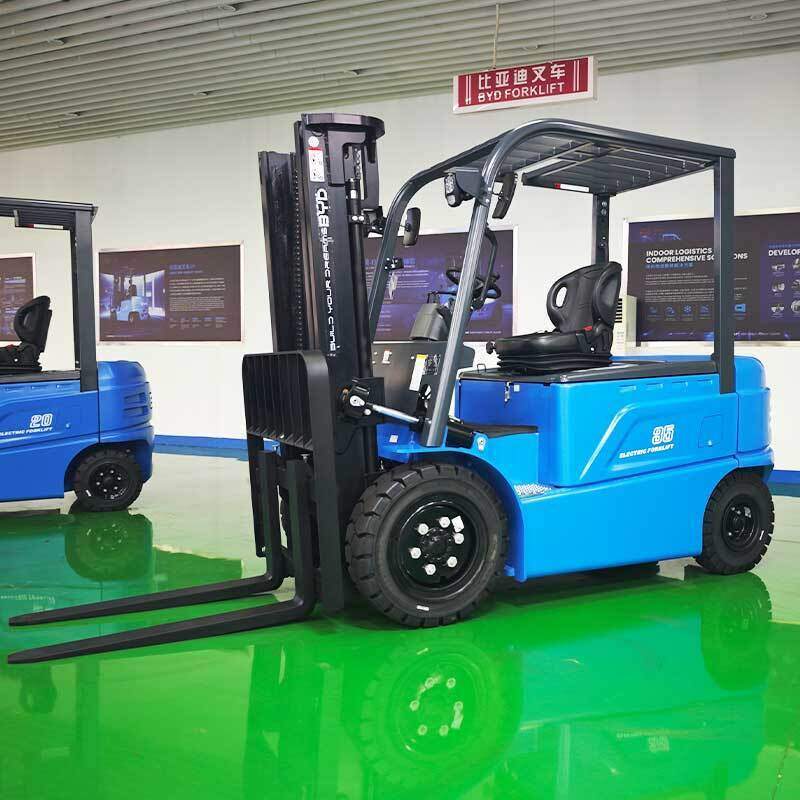
As a field professional with years of experience in electric forklift application popularization, this guide sorts out practical, verified operation and management methods suitable for most warehouse scenarios, to help relevant personnel grasp core points without redundant complicated technical jargon.
Core Pre-operation Inspection Protocols
Before each shift starts, operators need to complete a series of simple checks to eliminate hidden risks in advance. The first step is to confirm the status of the power supply, check the remaining power level and the appearance of the power component to make sure no obvious deformation or leakage exists. Next, check the flexibility of the braking system, steering system and lifting mechanism, test the response of each control part under no-load state to avoid unresponsive situations during subsequent operation. Operators also need to check the integrity of lighting, warning horns and other safety auxiliary components, confirm the surrounding working area has no irrelevant obstacles or personnel before formal operation.
Standard Operation Best Practices for Daily Scenarios
In the actual material handling process, operators need to keep the load within the rated load range of the equipment, avoid long-time carrying of over-weighted goods that will cause extra loss to the power system and structural parts. When turning, driving on ramps or passing through narrow passages, operators need to slow down properly, sound the warning device in advance to remind surrounding personnel to avoid potential collision risks. It is not recommended to carry people on the equipment, and operators should keep a stable driving speed according to the road condition of the working site, avoid sharp acceleration or sudden stop frequently.
Routine Maintenance to Extend Service Lifespan
After each shift ends, operators need to park the equipment in the specified designated area, lower the fork to the lowest position, cut off the power supply completely and clean the dust and sundries attached to the surface of the equipment in time. Regularly check the wear degree of tires, transmission parts and electrical wiring, replace the worn parts according to the actual wear condition, and add proper lubricant to the moving connection parts on schedule. For the power component that supports repeated charging, operators should follow the official charging rules, avoid overcharging or completely draining the power for a long time, to maintain the overall performance of the equipment in a stable state for a long period.


