简体中文
 Русский
 Français
 Português
 Español
 لالعربية


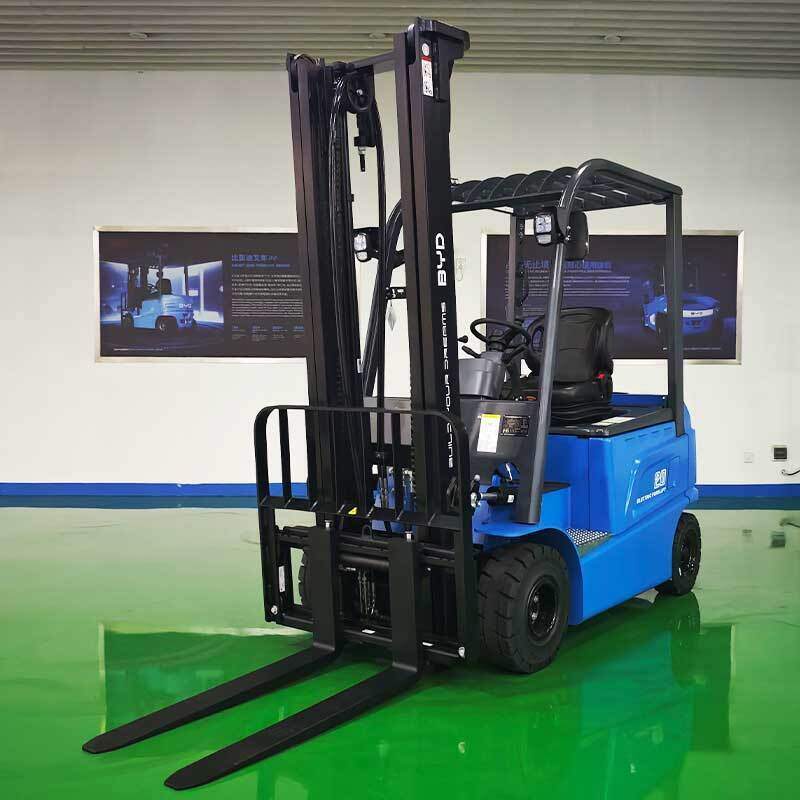
Many material handling operation managers tend to focus on the load capacity and movement performance of forklifts themselves when configuring their fleets, while ignoring the critical influence of battery type, capacity matching and supporting charging solutions on overall operation efficiency. Improper selection of these supporting components may bring hidden barriers to stable daily operation that are hard to notice in the short term.
First of all, the matching degree of forklift battery selection and actual operation scenario directly determines the continuity of daily work. For operations that run two or three shifts per day with high peak order volumes, insufficient battery capacity will lead to unexpected power shortage in the middle of peak hours, forcing the forklift to stop working for power replacement or emergency charging, which will interrupt the continuous material transportation rhythm, delay the order picking and delivery progress, and reduce the overall turnover efficiency of the warehouse. In addition, unreasonably matched battery weight will also affect the stability of the forklift during high-load lifting, which will bring unnecessary safety risks and increase the hidden maintenance cost of the vehicle body. Choosing the battery specification that fits the actual daily working hours and load demand can reduce the frequency of battery replacement significantly, save the labor time consumed by operators to replace batteries, and make the whole operation arrangement more smooth.
Secondly, the planning of charging solutions also plays a non-negligible role in operation cost control. Reasonably distributed charging stations set up in the idle area close to the operation area can effectively reduce the extra driving distance for operators to go to charge during the work gap, so as to make full use of the short rest time to complete opportunity charging, and fully support the continuous operation of multi-shift scenarios without reserving extra long time for centralized charging. On the contrary, if the charging stations are planned too far away from the operation area, the operators will consume extra non-working time on the way to and from the charging point, which will reduce the effective working time of each forklift every day. Unreasonable charging power configuration will also increase the peak power load of the whole plant, leading to extra high electricity cost expenditure.
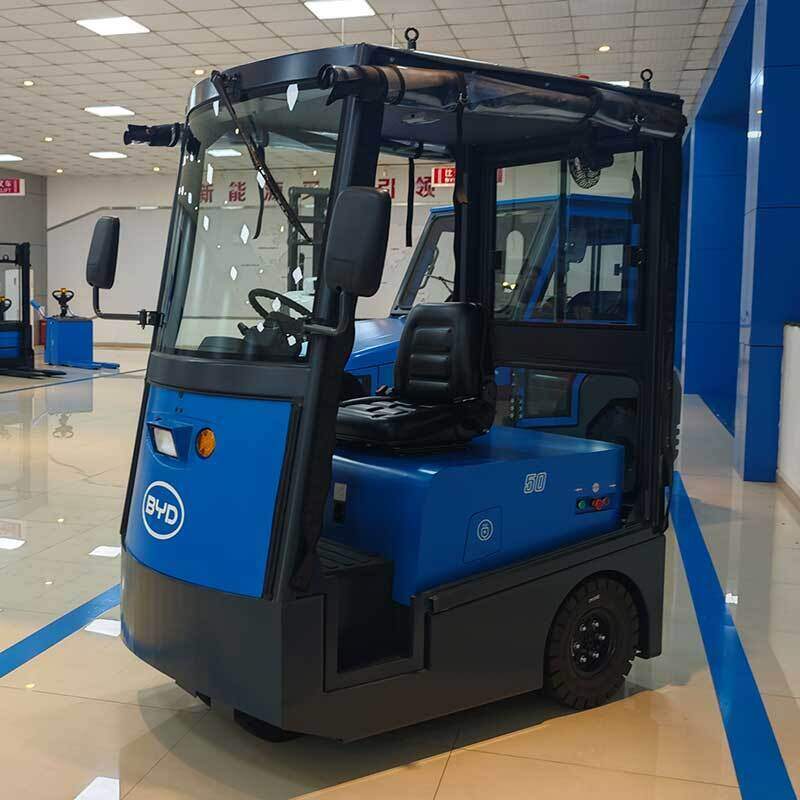
A well-matched combination of forklift battery and charging solution can effectively reduce the non-planned downtime of the whole fleet in the whole life cycle, reduce the unnecessary extra expenditure, and bring stable and sustainable efficiency improvement for daily material handling work. As Jian Shu New Energy, we focus on BYD electric forklift, if you need a customized battery and charging matching plan for your operation scenario, you can send an email to [email protected] for professional consultation.