简体中文
 Русский
 Français
 Português
 Español
 لالعربية


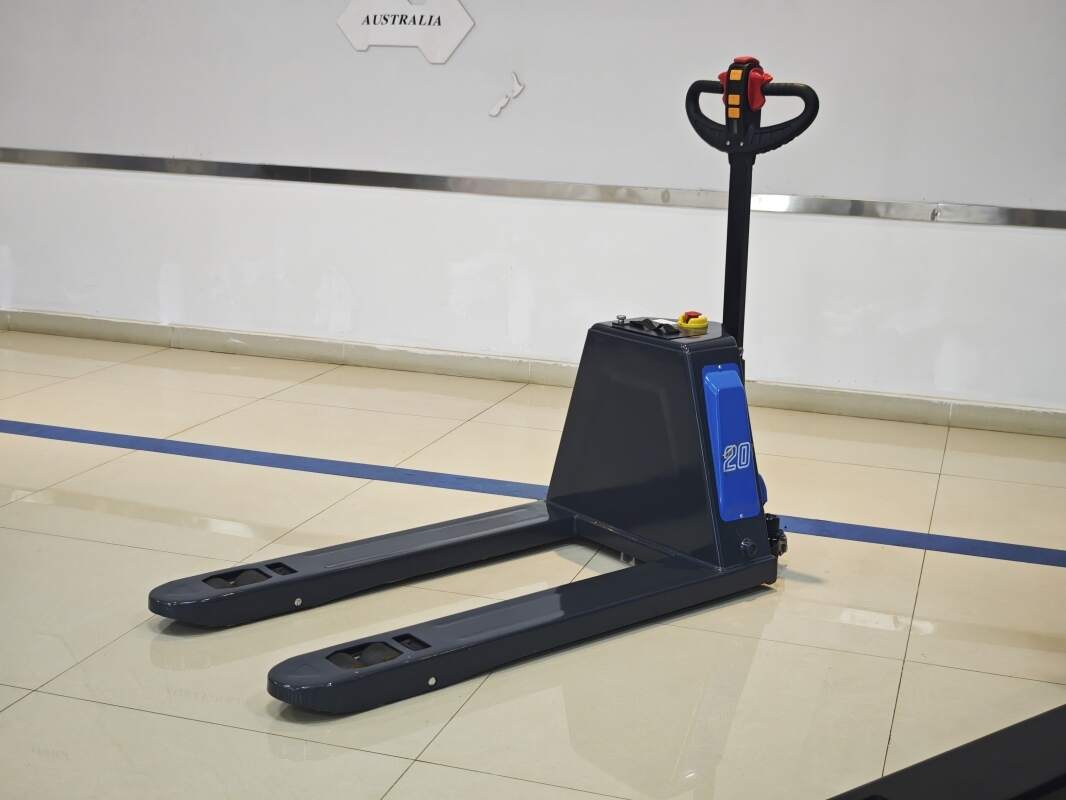
For enterprises engaged in warehouse logistics, manufacturing material handling and port cargo transportation, long-term operating cost control of material handling equipment is always a core indicator that directly affects overall operational benefit. As a professional new energy material handling solution provider, Jian Shu New Energy focuses on high-quality electric forklift products, and we will explain the practical ways that lithium-ion forklifts reduce operating costs from multiple practical operation dimensions.
The first cost reduction path comes from the optimization of energy consumption and daily maintenance input. Unlike traditional lead-acid powered forklifts, lithium-ion forklifts have higher energy conversion efficiency, which means they can complete the same handling workload with less electricity consumption. Besides, lithium-ion power modules do not need regular distilled water replenishment, acid solution state detection, and other tedious daily maintenance work that takes a lot of manual labor, which greatly cuts the labor cost invested in equipment daily care, and avoids the material cost consumed by purchasing special maintenance supplies.
The second cost reduction path lies in the lower full-lifecycle replacement and supporting site input. Lithium-ion power modules support long cycle charge and discharge performance, and the service life is longer than traditional lead-acid power modules under standard use scenarios, which reduces the frequency of whole vehicle replacement and power unit replacement in the whole service cycle of the equipment. In addition, lithium-ion forklifts do not need special charging areas with acid and alkali protection, nor do they need special ventilation facilities to exhaust harmful gas generated in charging process, which saves the additional construction cost of supporting sites for enterprises.
The third cost reduction path comes from the reduction of operation interruption loss. Most lithium-ion forklifts support opportunity charging function, which means operators can complete short-time supplementary charging during work breaks, shift handover intervals, without waiting for several hours of full charging time like traditional lead-acid forklifts, avoiding the operation stagnation caused by equipment out of power during peak operation hours. This stable continuous operation performance effectively reduces the potential loss caused by operation pause, and helps enterprises get more stable output of material handling services. If you need more professional new energy forklift configuration plans to achieve cost reduction and efficiency improvement for your operation scenario, you can send consultation emails to [email protected] for further communication.