
 简体中文
简体中文 Русский
 Français
 Português
 Español
 لالعربية

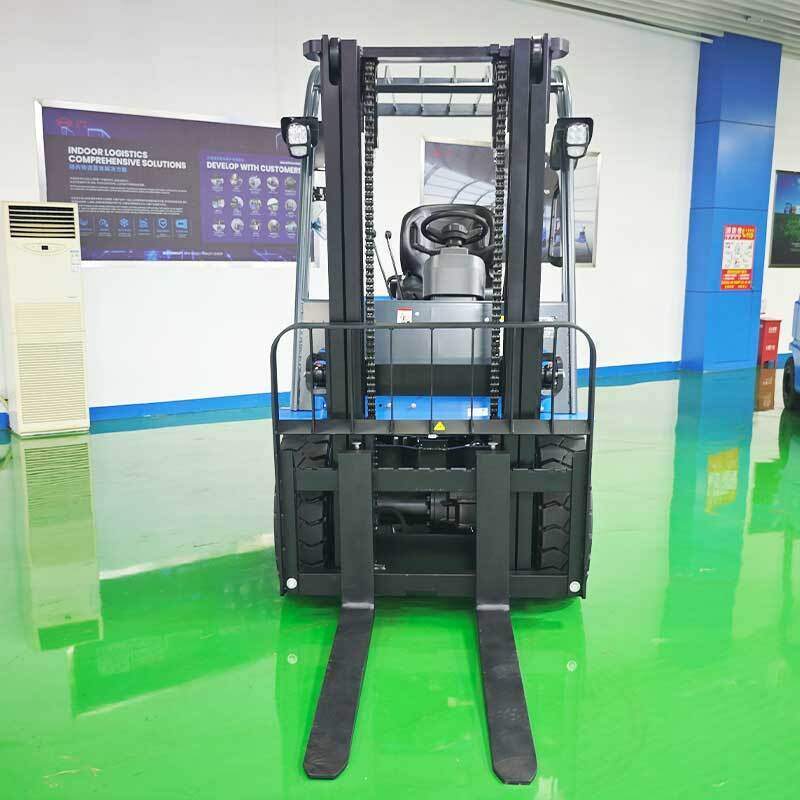
With the continuous development of low-carbon logistics and closed indoor storage scenarios, electric forklifts have gradually become one of the most widely used material handling equipment in the industrial field. Different from traditional internal combustion counterparts, electric forklifts rely on power battery systems to provide driving and loading power, which can adapt to multiple operation demands from narrow shelf passages to frequent cargo loading and unloading tasks.
Core Advantages of Electric Forklifts in Daily Operations
Unlike fuel-powered equipment that produces exhaust emissions and loud operation noise, standard electric forklifts can keep the operation area air clean and maintain noise levels within the range that meets general indoor workplace health requirements. This feature makes it suitable for closed scenarios such as food storage workshops, pharmaceutical warehouses, and shopping mall logistics centers that have strict requirements for environmental indicators. The compact body design of most models can also pass through operation passages with a width of less than 2 meters, completing cargo stacking and handling work that large handling equipment cannot easily carry out. The operation of the equipment will not produce extra exhaust residue that may contaminate packaged goods, and there is no need to set up special fuel storage areas near the work site, which saves the overall space planning cost of the storage site.
Key Daily Maintenance Guidelines to Extend Service Life
Regular daily inspection work can effectively reduce unexpected equipment failure rates, and operators can complete most of the basic inspection work without professional technical support. Before each shift, users only need to check the remaining power level, the wear degree of driving tires, the flexibility of lifting control handles, and the sensitivity of safety warning sensors, to exclude most hidden dangers in advance. For the power battery system, it is recommended to follow the specifications of full charge before long-term storage, avoid over-discharging during daily use, and wipe the dust on the surface of the equipment with dry soft cloth after each shift to keep the heat dissipation system unobstructed. Do not place heavy sundries on the operation pedal or control panel in daily use, to avoid affecting the normal operation of relevant safety components.
Operation Optimization Tips to Boost Working Efficiency
Operators who receive standardized training can adjust the operation rhythm according to different cargo weights and site conditions, reasonably arrange the path of cargo transportation, and reduce unnecessary repeated movement. When working in narrow passages, keep the body running at a low and stable speed, and avoid sudden steering or sudden braking operations that may cause cargo drop or equipment wear. Reasonable matching of electric forklift parameters with actual operation scenarios can give full play to the equipment’s performance, bring stable handling support for the entire logistics system, and help control the overall operation cost of the storage site within a reasonable range.


