
 简体中文
简体中文 Русский
 Français
 Português
 Español
 لالعربية

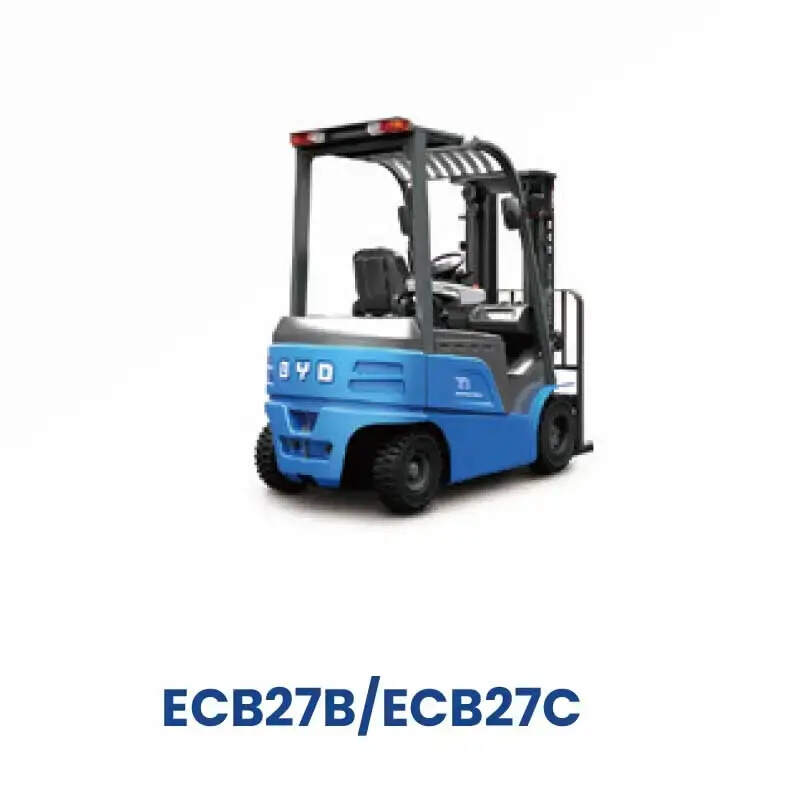
Nowadays, electric forklifts have emerged as a popular option for most indoor and semi-outdoor material handling scenarios, with advantages including low noise emission, zero on-site exhaust output and flexible operation performance. Mastering proper usage logic and daily management rules of this type of equipment can help relevant practitioners reduce unnecessary operating costs and improve the overall smoothness of on-site workflow.
Basic Pre-Operation Check Norms
Before each formal operation, operators are suggested to check the remaining battery level, test the sensitivity of the brake and parking system, inspect the tightness of the lifting chains, check if there are foreign objects stuck on the tire surface, and verify the normal rebound performance of all operation levers. Operators should not start the equipment with confirmed faults, and mark abnormal items clearly before notifying on-site maintenance staff instead of disassembling relevant parts without professional guidance.
Standard Operation Points for Daily Handling
All operators should complete formal professional training before taking posts. During the handling process, sharp acceleration, sudden braking and sharp turning with loaded goods are not recommended. Operators should insert the forks fully under the pallet, keep the center of gravity of cargo within the rated load range of the equipment, and avoid high-speed traveling when the cargo is lifted to a high position. When passing through narrow warehouse aisles, corners and doorways, operators should slow down and give early reminders to surrounding personnel to avoid accidental collisions with shelves or passing staff.
Routine Maintenance and Long-term Care Suggestions
After each shift, operators need to park the equipment in the designated charging or storage area, lower the forks to the position close to the ground, and turn off the main power supply before leaving the site. Teams should arrange regular cleaning for dust and debris accumulated on the battery surface, avoid spilling any liquid into the battery compartment, and arrange professional component calibration in accordance with official operation manuals at specified cycles. Unauthorized modification on the power system or load-bearing structure of the equipment is not encouraged, which helps extend the overall service life of the unit effectively.
Scenario-adaptive Energy Efficiency Optimization
Teams can adjust operation scheduling rhythm reasonably based on actual on-site conditions, to avoid overlong continuous high-load operation that exceeds the normal design working condition. Operators can make full use of the low-noise feature of electric forklifts to arrange replenishment tasks during peak hours with dense on-site personnel, to further explore the application value of such equipment in current low-carbon logistics systems.


