
 简体中文
 Русский
 Français
 Português
 Español
 لالعربية


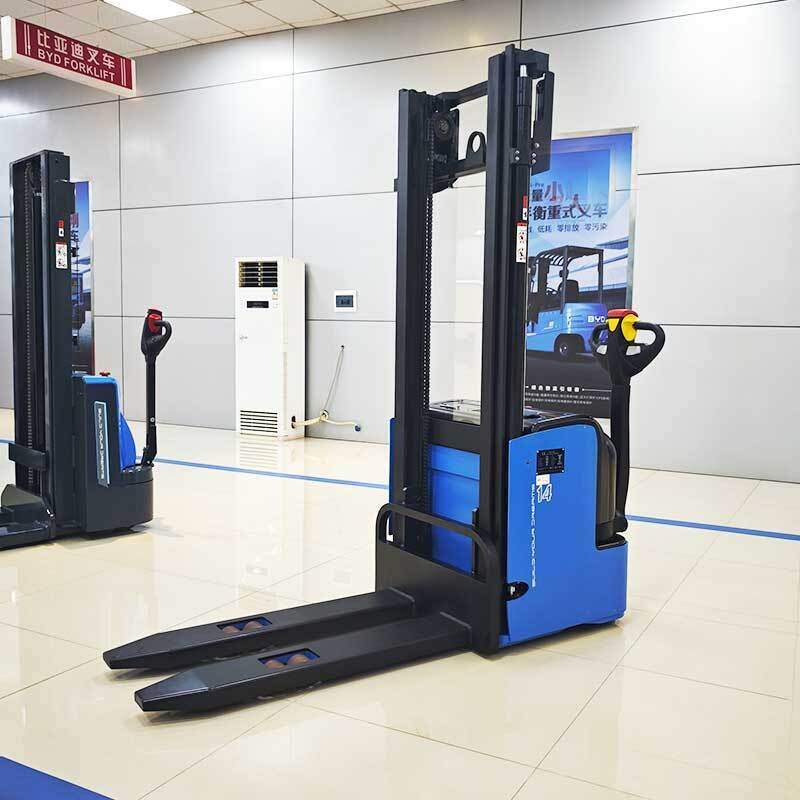
With the continuous popularization of new energy material handling equipment in the logistics and warehousing industry, electric forklifts have become a core work tool for most indoor and semi-outdoor operation scenarios due to their low noise, low emission and relatively low operation cost features. Mastering standardized use and management methods can help operators give full play to the equipment’s inherent functions, and avoid unnecessary faults in daily work.
Core Operation Specification Points for Daily electric forklift Use
Before each startup, operators need to complete basic inspection work, including checking the remaining power level, the flexibility of the lifting and steering structure, and the sensitivity of the braking system. During the operation process, staff need to pay continuous attention to the surrounding personnel and obstacle conditions in the working area, avoid sharp acceleration, sharp turning and sudden braking operations when carrying loads, and strictly follow the specified load capacity range for handling work. When driving on slopes, keep the load side facing the upper slope direction, and do not carry out turning and stacking operations on the slope surface. It is not allowed to use the fork to lift personnel to carry out high-altitude operations without professional auxiliary structures.
Routine Maintenance Guidelines to Extend Equipment Service Life
Regular maintenance work can effectively reduce the probability of sudden equipment failure, and extend the overall service cycle of the electric forklift. For the power battery component, operators need to regularly check the connection tightness of the electrode interface, clean the dust and sundries on the surface of the shell, and avoid long-term over-discharge or over-charging behavior in daily use. For the hydraulic system, regularly check the liquid level of the hydraulic oil, and replace the aging sealing parts in time if oil leakage is found. For the walking structure, check the wear degree of the tire surface and the gap of the braking part regularly, and clean the dust and debris accumulated in the electrical control compartment every fixed cycle to avoid short circuit caused by moisture.
Scenario-based Performance Optimization Suggestions
For different actual working scenarios, operators can adjust the use strategy properly to get better operation effect. For narrow aisle working scenarios, reasonably control the running speed of the equipment, and reserve enough turning space during the stacking process to reduce the collision risk. For long-time continuous operation scenarios, arrange the charging and rest time reasonably according to the actual power consumption, so as to avoid the situation that the power is exhausted in the peak operation period. For special working conditions with uneven ground, properly control the lifting height of the goods to keep the center of gravity of the vehicle as stable as possible. Scientific and standardized operation and management can effectively improve the comprehensive use efficiency of electric forklifts, and bring more stable operation support for the daily material handling work.


