
 简体中文
 Русский
 Français
 Português
 Español
 لالعربية


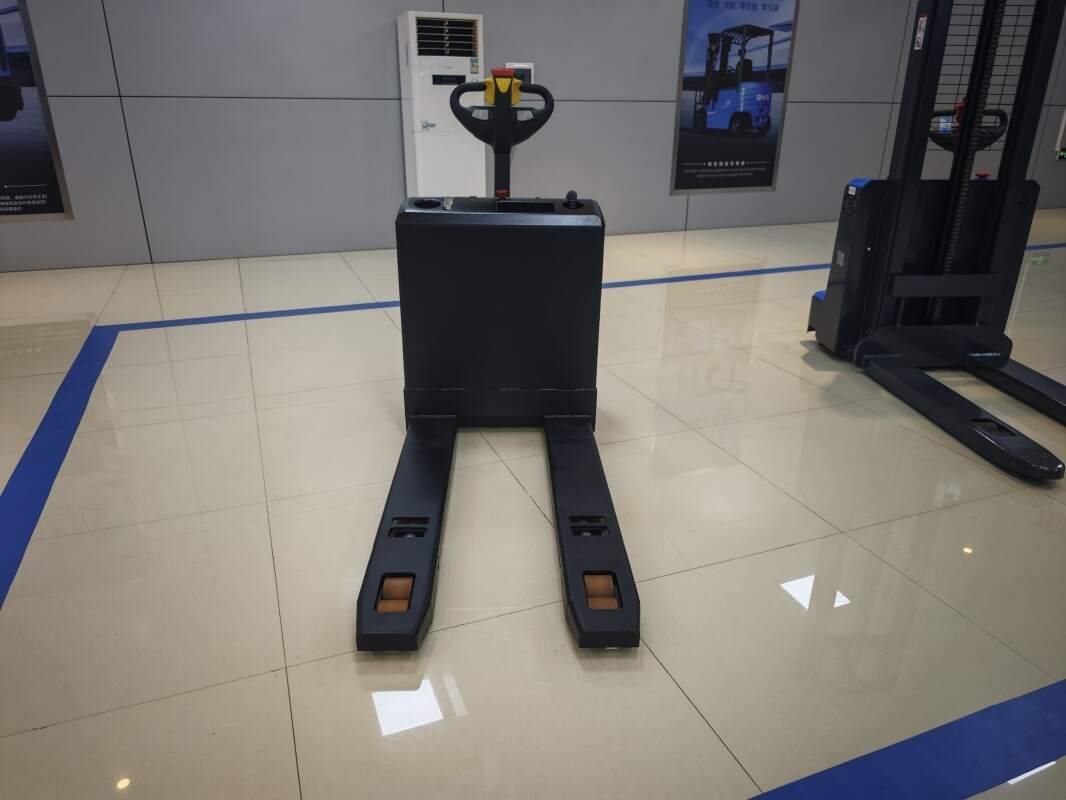
With the continuous development of modern green logistics systems, electric forklifts have become one of the most widely used material handling equipment in various industrial scenarios in recent years. Many frontline operators and warehouse managers still lack systematic understanding of the correct usage and maintenance rules of such equipment, which easily leads to unnecessary performance loss or shortened service cycle.
Core Performance and Application Advantages
Different from traditional internal combustion handling equipment, modern electric forklifts produce no local exhaust emission during operation, and the overall noise level is kept at a relatively low range, which can meet the environmental control requirements of closed warehouses, food processing workshops and pharmaceutical production areas. The power output of electric forklifts is more continuous and smooth, which will not produce obvious stalling or power fluctuation when carrying loads within the rated range, and the operation control logic is more friendly for new operators to get familiar with quickly. The overall operation vibration level is relatively low, which can also reduce the fatigue degree of operators after long time continuous work.
Scientific Daily Maintenance Specifications
Daily regular inspection is the core measure to keep electric forklifts in good working condition. Operators can check the abrasion degree of walking tires, the cleanliness of battery connection contacts and the sealing state of hydraulic oil pipelines before each shift, to eliminate hidden dangers in time. It is not recommended to overcharge or completely discharge the power battery, and the power supply circuit insulation performance should be checked regularly during the periodic maintenance process, to avoid safety risks caused by aging of the wiring. Do not keep the equipment running under full load for a long time beyond the specified working cycle, which can effectively extend the service life of core components.
Scenario Matching Optimization Suggestions
When configuring electric forklifts, users can select equipment with corresponding parameters according to the actual working conditions. For narrow channel operation scenarios, models with small turning radius can be given priority, for high stack operation scenarios, the load capacity of the mast under high lifting state should be confirmed in advance. When the equipment is not in use for a long time, it should be parked in a dry and ventilated area, and the battery should be supplemented with power at regular intervals to avoid capacity attenuation. For low temperature working scenarios, preheating the power system before formal operation can help maintain stable working performance.


