简体中文
 Русский
 Français
 Português
 Español
 لالعربية


Durban, as one of the core logistics hubs in southern Africa, hosts a large number of port terminals, distribution warehouses and manufacturing parks that rely heavily on four-wheel forklifts for daily material handling operations. For many local operation managers, the choice between diesel and electric four-wheel forklifts is directly linked to long-term operational profitability, and a clear, scenario-based cost analysis can help make more reasonable procurement decisions.
The first part of the cost picture covers the initial procurement input. For four-wheel forklifts with the same load capacity and basic configuration, the one-time purchase price of diesel models is usually slightly lower than that of electric models of the same level. It is worth noting that modern electric forklifts are equipped with long-life power batteries that support thousands of charge cycles, and no extra core power component replacement cost is required within the standard service period, which eliminates a common hidden expenditure that appears for diesel models after 3 to 4 years of intensive use.
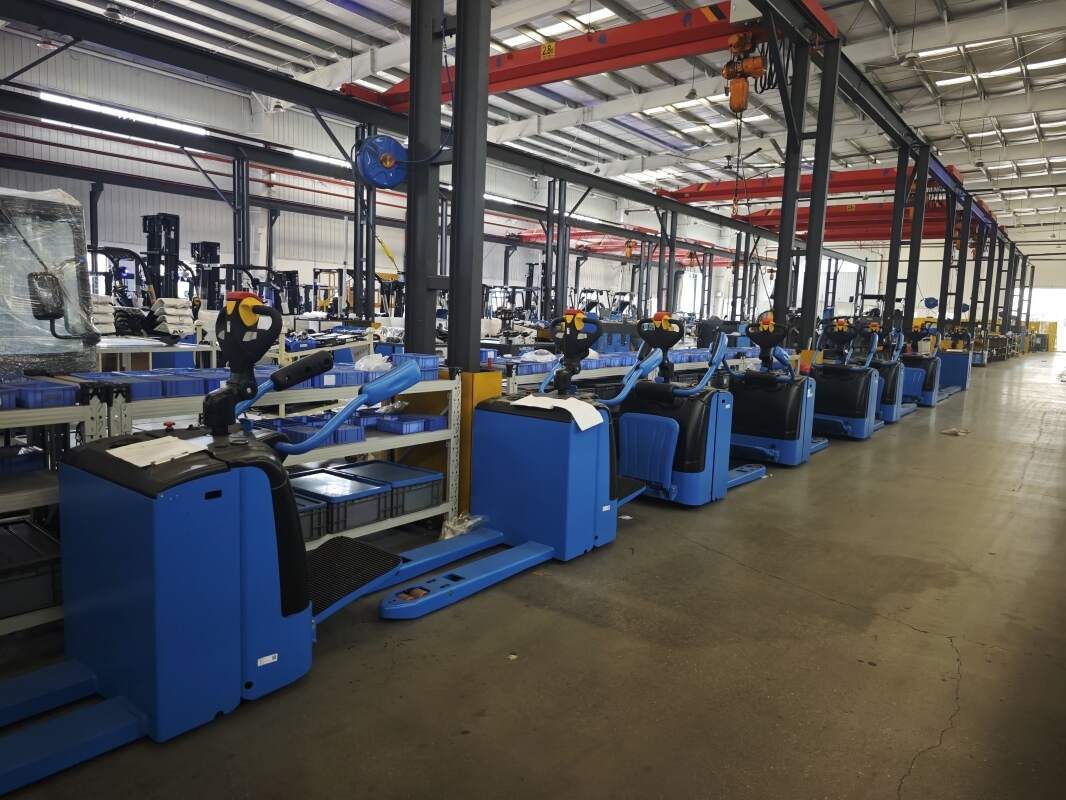
The second core part is daily operating cost. In local Durban market, diesel price has maintained obvious fluctuation trend in recent years, and the hourly fuel consumption cost of a standard diesel four-wheel forklift is much higher than the electricity cost consumed by an electric forklift for the same operation duration. Many local logistics parks and industrial zones have access to off-peak electricity tariffs at night, which can further reduce the energy cost of electric forklift operations. Besides, electric forklifts produce no exhaust emissions during operation, so there is no need to purchase additional emission treatment related consumables, and operators will not face fines related to local low-emission zone regulations that apply to some port and downtown warehouse areas.
The third part refers to regular maintenance cost. A diesel four-wheel forklift requires regular replacement of engine oil, various filter elements, and periodic inspection of emission related components, which brings relatively high annual maintenance expenditure. The structure of electric four-wheel forklift is dominated by drive motor and power battery, with very few high-frequency wearing moving parts, so the total annual maintenance workload and related cost are far lower than that of diesel models.
For long-term usage scenarios, the residual value of properly maintained electric forklifts after 5 to 8 years of service is generally higher than that of diesel forklifts with the same working hours, as the emission performance of old diesel forklifts will gradually degrade and the applicable scenarios for secondary transfer will be greatly restricted.
We are Jinshu New Energy, focusing on BYD electric forklift solutions for local clients, if you need a custom cost calculation report tailored for your actual Durban operation scenarios, you can contact us at [email protected] for professional, no-obligation consultation.