简体中文
 Русский
 Français
 Português
 Español
 لالعربية


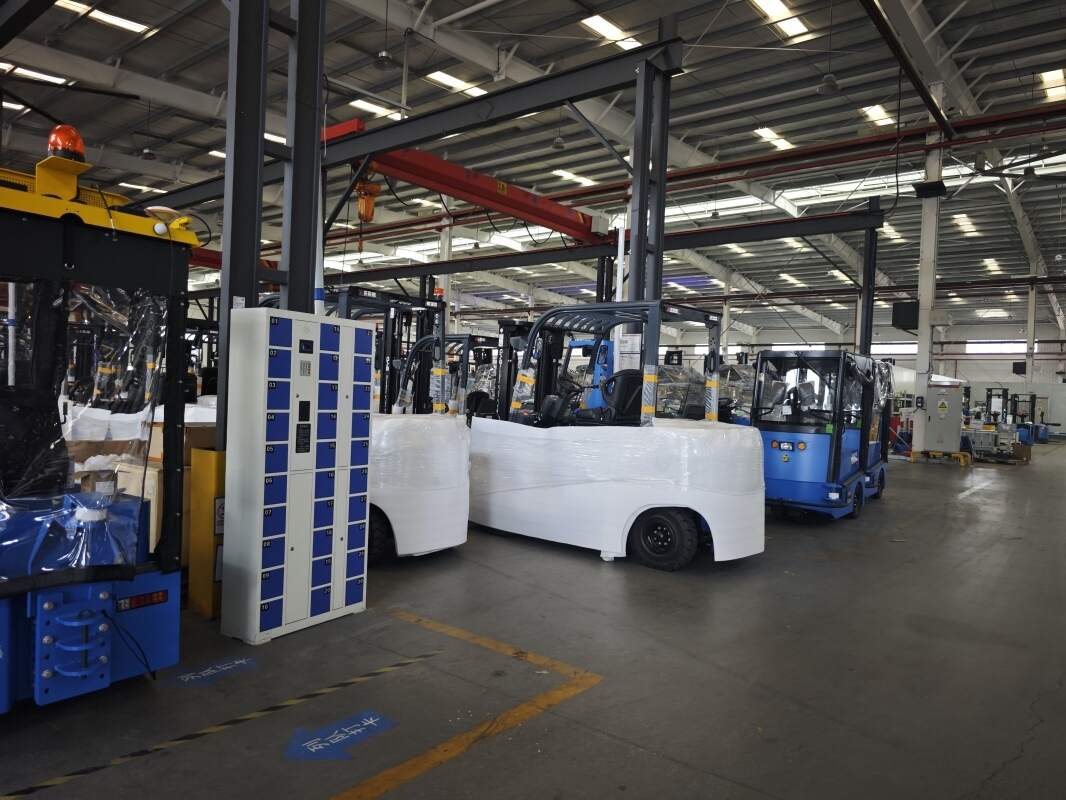
Against the steady growth of Zimbabwe’s manufacturing, agricultural processing, port logistics and large-scale warehousing sectors in recent years, the demand for reliable counterbalance forklifts has kept rising across local industrial scenarios. Many enterprise operators often face a common choice when updating their material handling fleet: to pick a traditional diesel counterbalance forklift, or switch to an electric counterbalance model, while most of them only compare the one-off purchase price at the initial stage, ignoring the huge difference of full life cycle cost that will appear in the later operation period.
At the initial procurement stage, diesel counterbalance forklifts usually carry a relatively lower sticker price than equivalent load capacity electric models. However, this seemingly obvious price gap will be gradually narrowed and even reversed along with the accumulation of daily operation and maintenance expenses in subsequent years. For local Zimbabwean operation scenarios, diesel fuel prices are often affected by international market fluctuations, import tariffs and supply chain stability, leading to unpredictable daily operating expenses for fleets that run more than 4 hours per day. Many enterprises that rely on large forklift fleets have encountered unexpected cost overruns caused by sudden fuel price hikes in past years.
In terms of daily operating cost, the electric counterbalance forklift runs on stored industrial power, whose unit cost is far more stable than fuel price in local market. There is no need for operators to arrange frequent diesel supply trips for large fleets, and extra cost for fuel storage site compliance inspection can also be saved. For regular maintenance work, electric forklifts have far fewer moving parts than diesel models, no need to replace engine oil, oil filter, fuel filter or exhaust after-treatment components on a regular basis, which cuts annual maintenance labor and spare parts cost by over 60 percent compared with diesel units.
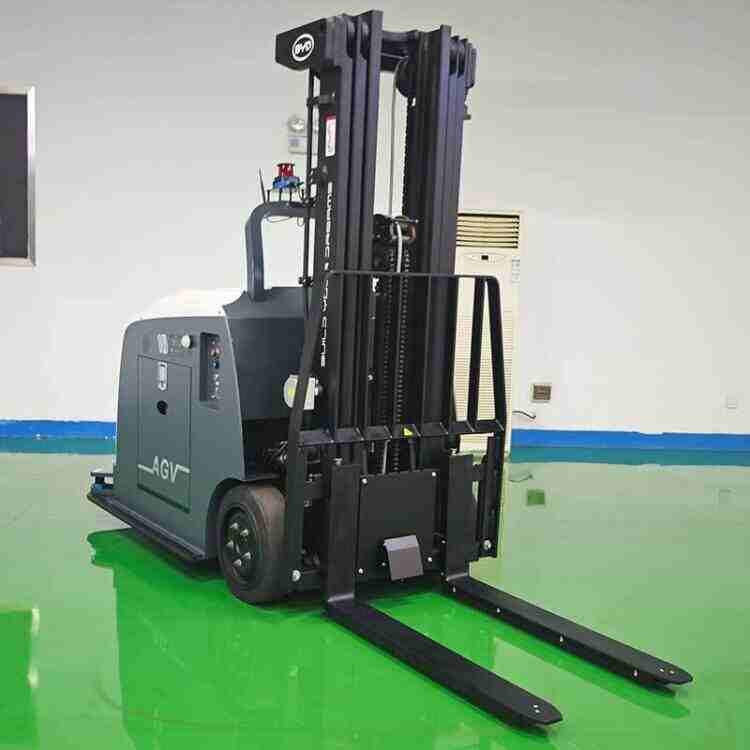
Apart from direct cost items, electric counterbalance forklifts also bring extra invisible cost saving benefits for local enterprises. They produce no exhaust emission or pungent diesel odor during operation, which fully meets the access requirements of closed food processing warehouses, pharmaceutical storage areas and indoor distribution centers, avoiding extra environment modification cost for low-emission scenarios. The low-noise operation feature also helps reduce operators’ fatigue level during long shifts, lowering the accident rate caused by operating fatigue.
A large number of actual operation data from local scenarios shows that for a forklift that works 6 hours per day for 5 consecutive years, the total cost of ownership of electric counterbalance model is much lower than that of the same load capacity diesel forklift. Jian Shu New Energy, focusing on BYD electric forklifts, can provide targeted full life cycle cost calculation service for local Zimbabwean enterprises with different fleet scales. For any relevant inquiry, please send email to [email protected].