简体中文
 Русский
 Français
 Português
 Español
 لالعربية


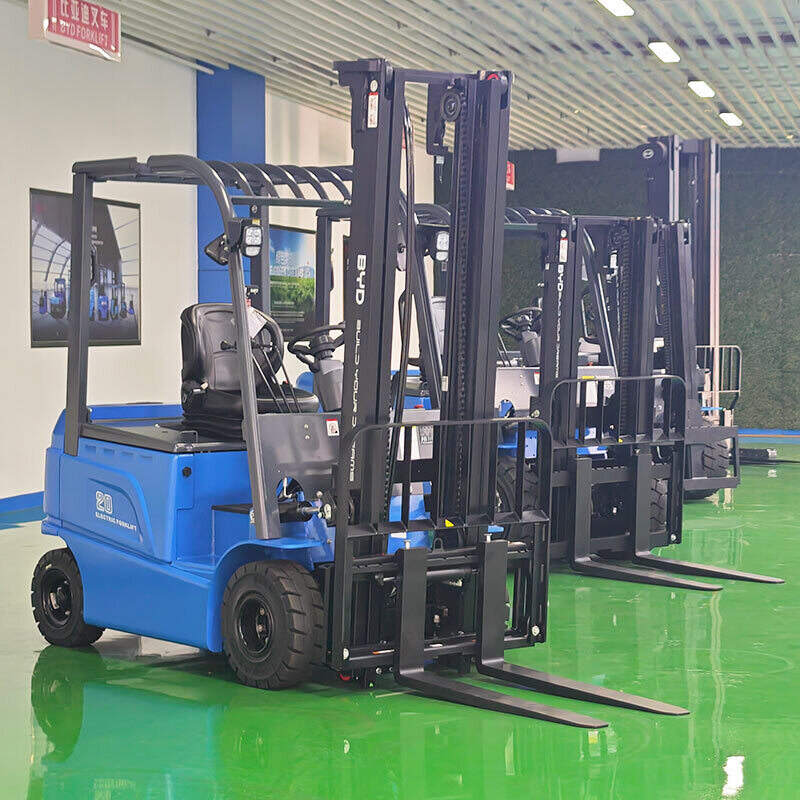
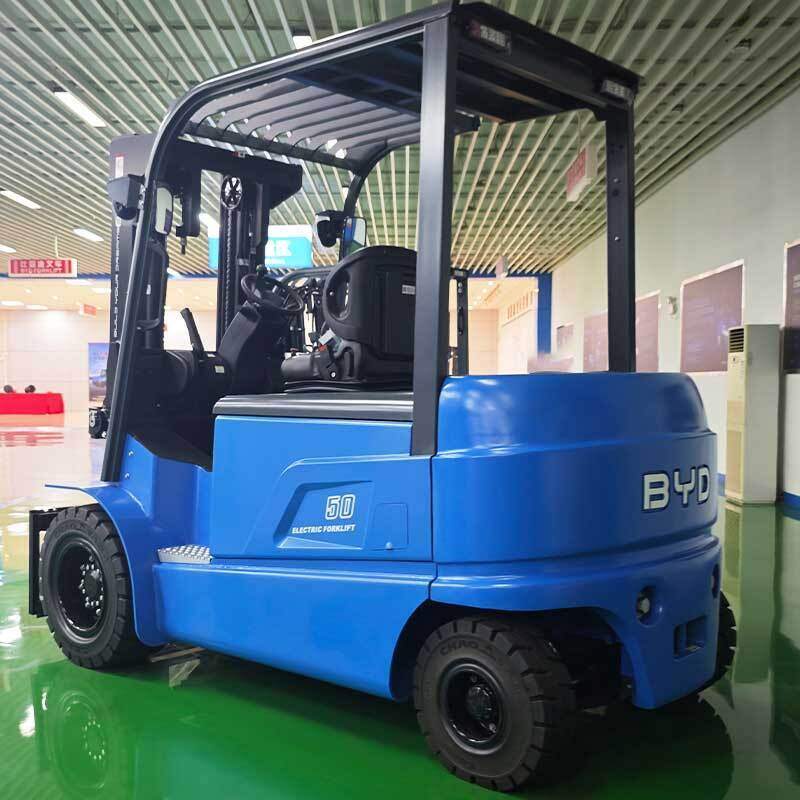
For manufacturing, warehousing, logistics and agricultural processing operators across Zimbabwe, selecting cost-effective material handling equipment has become a key factor to control overall operational expenditure in daily business. As a professional service provider focusing on BYD electric forklift solutions, Jian Shu New Energy has collected multiple sets of actual operation data from local cooperative users, to explain the real running cost composition of BYD four-wheel forklifts for local industry practitioners in a clear and transparent way.
The first core part of running cost is energy expenditure. Different from internal combustion handling equipment that relies on fossil fuel supply, BYD four-wheel forklifts get power from on-board battery packs. Combined with the local industrial electricity price level in Zimbabwe, the energy cost per hour of operation is far lower than the fuel cost of traditional same-load forklifts. Most operation sites can use existing industrial power interfaces to complete daily charging, no extra large-scale supporting transformation is required, and users who have installed distributed photovoltaic systems on site can further dilute the energy cost.
The second main part of running cost is routine maintenance expenditure. The structure of BYD four-wheel forklift does not contain the complex mechanical structure of traditional internal combustion engines, so there is no need to carry out high-frequency maintenance items such as engine oil replacement, filter element replacement and carbon deposition cleaning on a regular basis. The daily maintenance work only includes regular inspection of tire wear, connection point firmness, brake sensitivity and battery health status, which can greatly reduce the annual maintenance labor cost and spare part cost for local users, and also reduce the downtime caused by equipment maintenance.
The third part is the implicit operating cost in daily use. As a zero-emission material handling equipment, BYD four-wheel forklift does not produce exhaust gas that requires additional governance, and can adapt to the use scenarios of indoor enclosed warehouses, food processing workshops, and fresh product distribution centers. Local users can also enjoy relevant preferential policies for low-carbon industrial equipment that have been issued in Zimbabwe, to reduce additional compliance costs.
If you need to get a customized running cost assessment that matches your actual operation scenario, you can contact our professional team via [email protected] at any time, and we will provide you with targeted consulting services for BYD electric forklift solutions.