简体中文
 Русский
 Français
 Português
 Español
 لالعربية


In Abidjan, where logistics hubs, port yards and industrial warehouses are expanding rapidly, 3.5 ton forklifts have become one of the most widely used material handling equipment for daily cargo stacking, loading and unloading operations. For most fleet operators and warehouse managers, figuring out the accurate cost per hour of this type of equipment is the core basis for optimizing operational budget and improving overall profit margin.
First of all, the most intuitive part of hourly cost comes from energy consumption. For 3.5 ton electric forklifts, the calculation is based on the average industrial and commercial electricity price in Abidjan, combined with the actual power consumption data under full load operation. Compared with traditional fuel-powered forklifts, electric models do not generate high fuel cost expenditures, and their energy consumption per hour is stable without extra cost fluctuations caused by regional fuel price adjustments. The whole energy use process also does not produce extra auxiliary cost related to fuel transportation and storage.
The second part is the maintenance cost amortized per working hour. 3.5 ton electric forklifts have no complex internal combustion engine oil circuit, exhaust gas treatment and other vulnerable components. The daily routine maintenance work only includes regular battery status inspection, wear check of walking tires, and simple lubrication of transmission parts. The total annual maintenance expenditure is much lower than that of fuel forklifts of the same tonnage. After the total annual maintenance cost is evenly divided by the actual total working hours of the equipment, the hourly maintenance expense remains at a very reasonable level, which also effectively reduces the hidden cost caused by unexpected equipment shutdown.
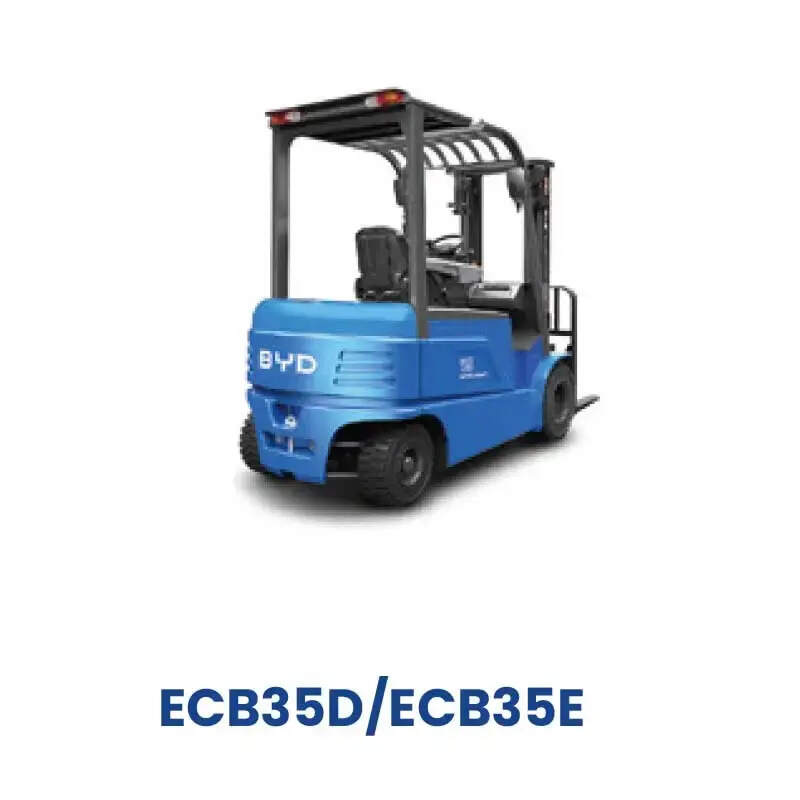
In addition, it is also necessary to include the amortization of hidden compliance and safety costs. In recent years, relevant emission control regulations for industrial operation equipment in Abidjan’s logistics parks and port areas have been gradually improved. Electric forklifts do not produce exhaust emissions during operation, so there is no need to pay additional emission related compliance fees, and there is no safety risk of fuel leakage and volatilization, which avoids additional safety investment. These hidden cost savings will also be reflected in the final total hourly operating cost.
As Jianxin New Energy, we focus on BYD electric forklift related localized services, and we can provide targeted full-cycle cost accounting services for local operation scenarios in Abidjan. If you have related demand for cost consultation or equipment solution, you can send email to [email protected] for more detailed supporting information.