简体中文
 Русский
 Français
 Português
 Español
 لالعربية


Food and beverage facilities have unique operational requirements that differ from general industrial warehouses, as all material handling processes must avoid cross-contamination to products, and maintain stable, continuous operation to support tight production and delivery schedules. Choosing a suitable electric forklift is a core step to optimize on-site operation efficiency and meet industry compliance standards.
First of all, hygiene performance is the top priority for selection. Most areas in food and beverage facilities, including raw material storage zones, finished product sorting areas, and processing connection zones, require regular cleaning and disinfection. The selected electric forklift should adopt smooth, non-porous body materials that do not easily accumulate dust and food residues, reach a sufficient level of water and dust resistance, and avoid hidden areas that are hard to clean, so as to meet the daily sanitation management requirements of the site without bringing extra cleaning burden for the operation team. It is also necessary to confirm that there is no risk of oil or other hazardous liquid leakage during the operation of the equipment, to avoid potential contamination to food raw materials and packaged products.
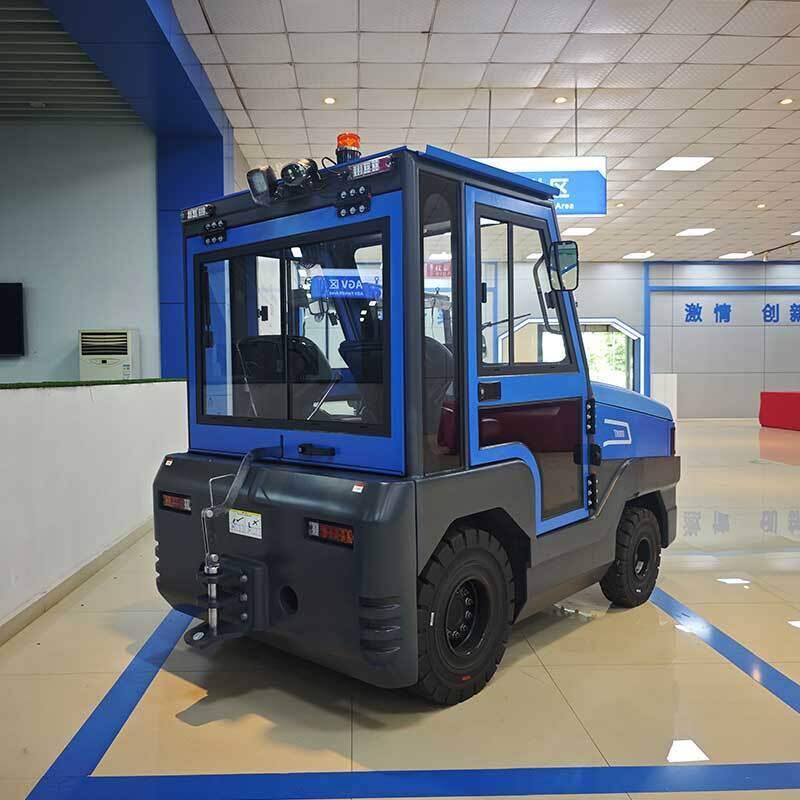
Second, environmental adaptability is a non-negligible factor. Traditional internal combustion forklifts will produce exhaust emissions, which do not meet the operation requirements of closed food storage spaces or production workshops close to food processing links. Electric forklifts achieve zero exhaust emissions during the whole operation process, which will not cause adverse impact on the on-site air environment. In addition, the low operating noise of electric forklifts will not interfere with the normal operation of production staff, and can reduce the long-term hearing pressure of operators working for multiple consecutive shifts. For special operation scenarios such as low-temperature cold storage that are common in the food and beverage industry, users can also select the configuration of electric forklifts adapted to low-temperature working conditions according to their actual needs.
Third, the parameters should match the actual operation scenarios of the facility. Users can sort out the daily average load weight, common lifting height requirements, channel width of the warehouse, average daily operation duration and other actual data before selection, so as to select the electric forklift with matching performance, to avoid insufficient load capacity or excess performance that causes unnecessary cost waste. For sites that implement multi-shift continuous production systems, it is recommended to give priority to models with convenient replenishment solutions, which can ensure continuous operation throughout the working day and reduce the downtime caused by energy replenishment.
As a professional electric forklift service provider, Jianshu New Energy focuses on BYD electric forklifts, and we can provide targeted and reasonable selection suggestions for different operation scenarios of food and beverage facilities. If you have relevant demand for consultation, you can send an email to [email protected] for further communication.