
 简体中文
 Русский
 Français
 Português
 Español
 لالعربية


Retail warehouse operations have distinct operational characteristics that set unique requirements for material handling equipment. Most retail warehouses face frequent daily inbound and outbound turnover of SKUs, short-distance transfer of pallets, long continuous operation hours especially during peak sales seasons like promotional events and holiday shopping periods, and high demand for low-emission, low-noise operating conditions to avoid disrupting on-site staff and complying with indoor workplace safety regulations. Traditional fuel or lead-acid forklifts often struggle to match these operation demands, which makes lithium forklifts a widely recognized suitable option for such scenarios.
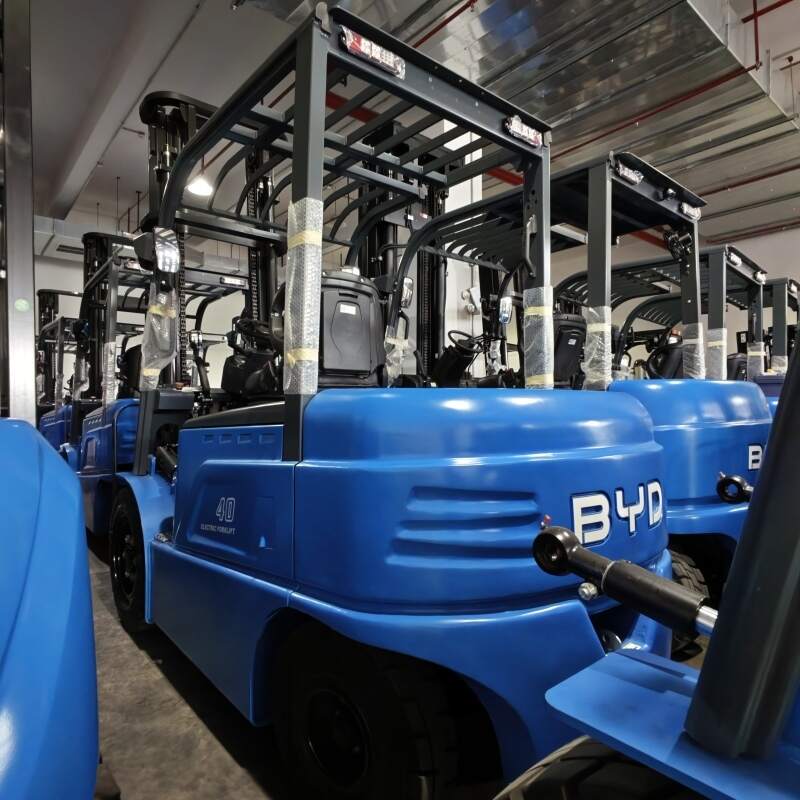
When selecting a lithium forklift for retail warehouse use, the first core factor to evaluate is the match between equipment parameters and actual operation needs. You may start with confirming the rated load capacity and maximum lifting height that fit your most common pallet and storage shelf specifications, to avoid redundant performance that raises unnecessary purchase cost, or insufficient parameters that cannot meet daily operation needs. Most standard retail warehouse scenarios do not require super heavy load capacity, but they put high requirements on continuous battery life. High-quality lithium forklifts can support 6 to 8 hours of continuous full-load operation, and support fast charging that supplements enough power for 2 hours of operation within 15 minutes, which allows teams to complete power supplement during staff shift breaks without stopping the whole operation flow.
The second key evaluation dimension is the operation flexibility and post-purchase maintenance cost control. Retail warehouses usually reserve narrower operation channels to leave more space for goods storage, so lithium forklifts with small turning radius and compact body structure can pass through these channels more smoothly. The zero-emission feature of lithium power also eliminates the need to arrange special ventilation equipment for exhaust gas treatment, and the low-noise operation design will not interfere with the communication between on-site picking and inventory checking staff. Different from lead-acid forklifts that need regular electrolyte replacement, dedicated independent charging rooms and long maintenance waiting time, lithium forklifts only need simple daily surface cleaning and regular routine inspection, which greatly reduces long-term operation and maintenance labor input.
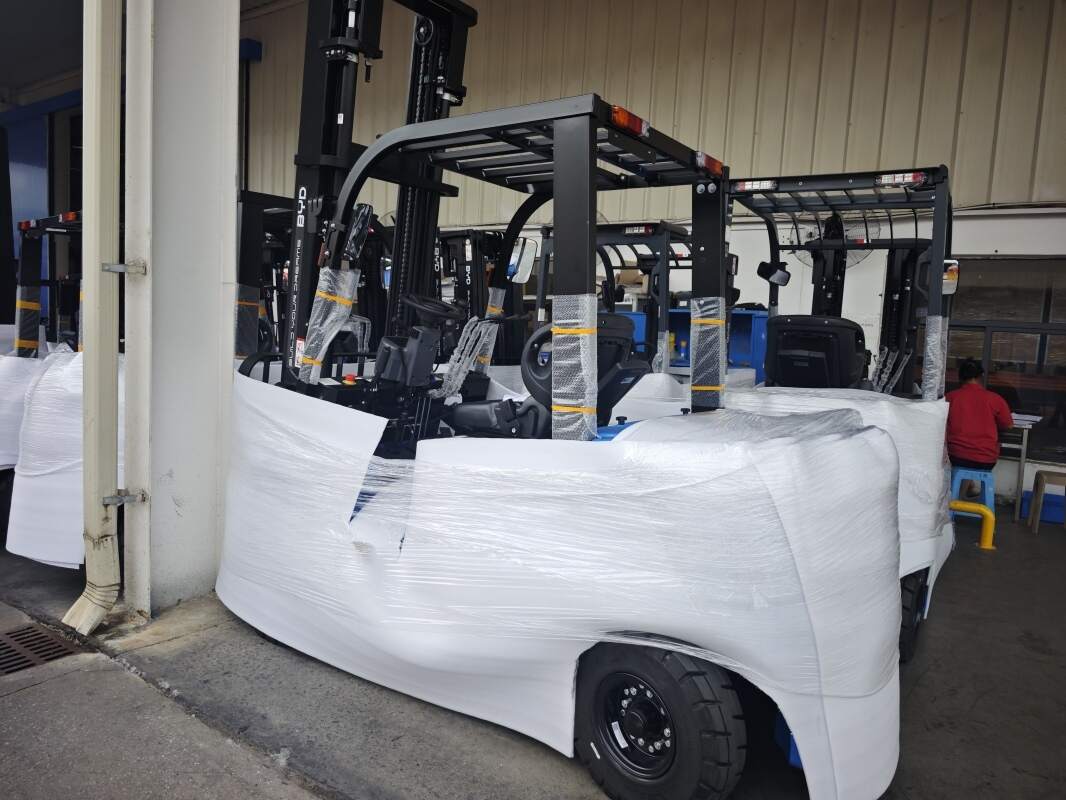
For teams that plan to arrange long-term stable material handling capacity, you can also evaluate the full life cycle cost of the equipment. The service life of high-quality lithium power modules is much longer than that of traditional lead-acid batteries, which avoids frequent battery replacement investment in 3 to 5 years of use, and brings more stable operation efficiency for retail warehouses with 300+ days of annual operation demand. We are Jian Shu New Energy, focusing on BYD electric forklifts. If you have any demand for equipment matching consultation and solution customization, you can send emails to [email protected] for further support.


