简体中文
 Русский
 Français
 Português
 Español
 لالعربية


Lithium-ion forklifts have become widely adopted material handling solutions for modern warehouses, logistics parks and manufacturing facilities in recent years, with features of stable performance, low operation cost and zero local emissions. This practical guide is designed to help fleet managers, operation staff and maintenance personnel grasp core operation points, to maximize the service life of equipment, reduce operation risks and improve overall handling efficiency.
First of all, it is necessary to complete standard pre-operation checks before starting the lithium-ion forklift for each shift. Operators should first confirm the remaining battery level is sufficient to cover all planned handling tasks of the shift, check that there is no obvious damage or bulge on the outer shell of the battery pack, then inspect the lifting forks, wheels, braking system and warning lights to make sure all parts work under normal status. Do not start operation if any abnormal indicator is detected, and report the issue to the maintenance team timely for further inspection.
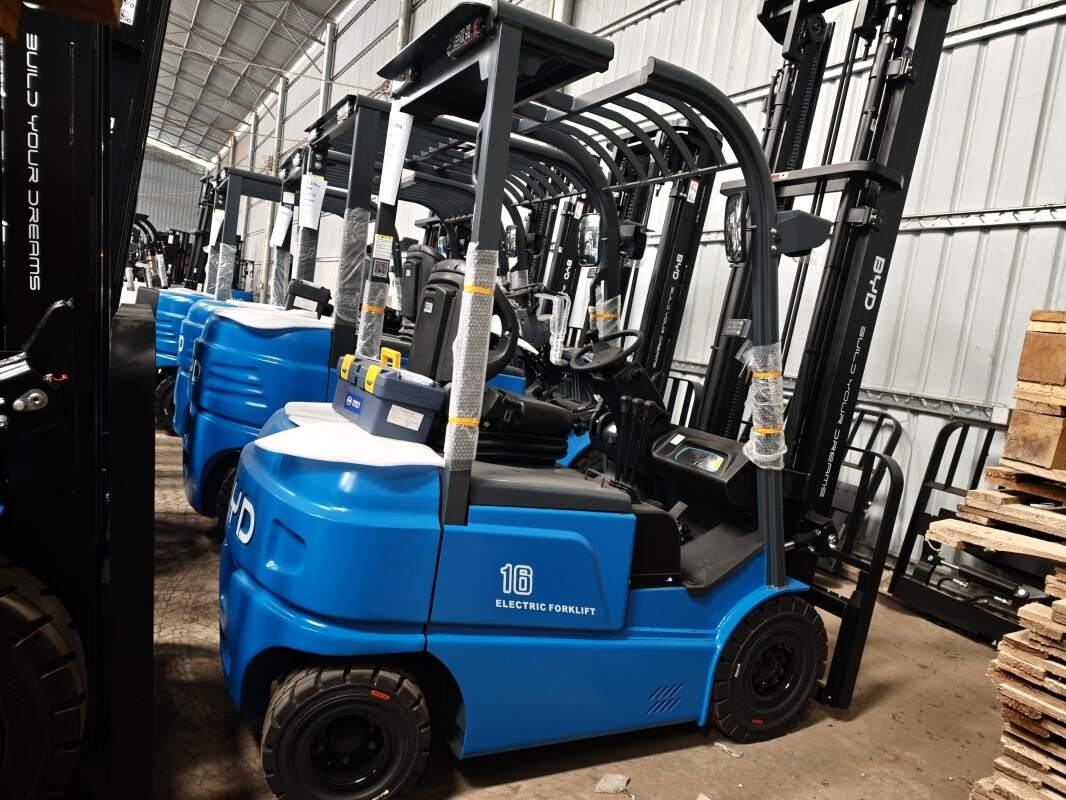
During the formal operation process, all personnel should follow the rated load limit of the forklift strictly, do not overload the equipment beyond the marked maximum carrying capacity, which may cause extra pressure to the power system and lifting structure. For indoor operation scenarios, keep proper ventilation even though the lithium-ion power unit produces no exhaust gas, and avoid long time exposure of the forklift under extreme high or low temperature environment that is far beyond the recommended working temperature range. When charging the lithium-ion forklift, use the matched official charging device, place the equipment at the specified charging area with no flammable materials around, and do not pull out the power cord forcibly in the middle of charging.
Compared with traditional lead-acid forklifts, lithium-ion forklifts require much less regular daily maintenance work, but periodic inspection on the battery management system, tire wear condition and emergency stop function is still necessary. It is recommended to arrange professional personnel to conduct a full systematic inspection for the whole equipment every 3 months, record the operation data and battery status to track the long-term performance change of the equipment.
For users who want to get proper lithium-ion forklift selection and customized usage solutions, Jian Shu New Energy is a professional supplier that focuses on high quality BYD electric forklift products. For more detailed consultation, you can send email to [email protected] for further communication.