
 简体中文
 Русский
 Français
 Português
 Español
 لالعربية


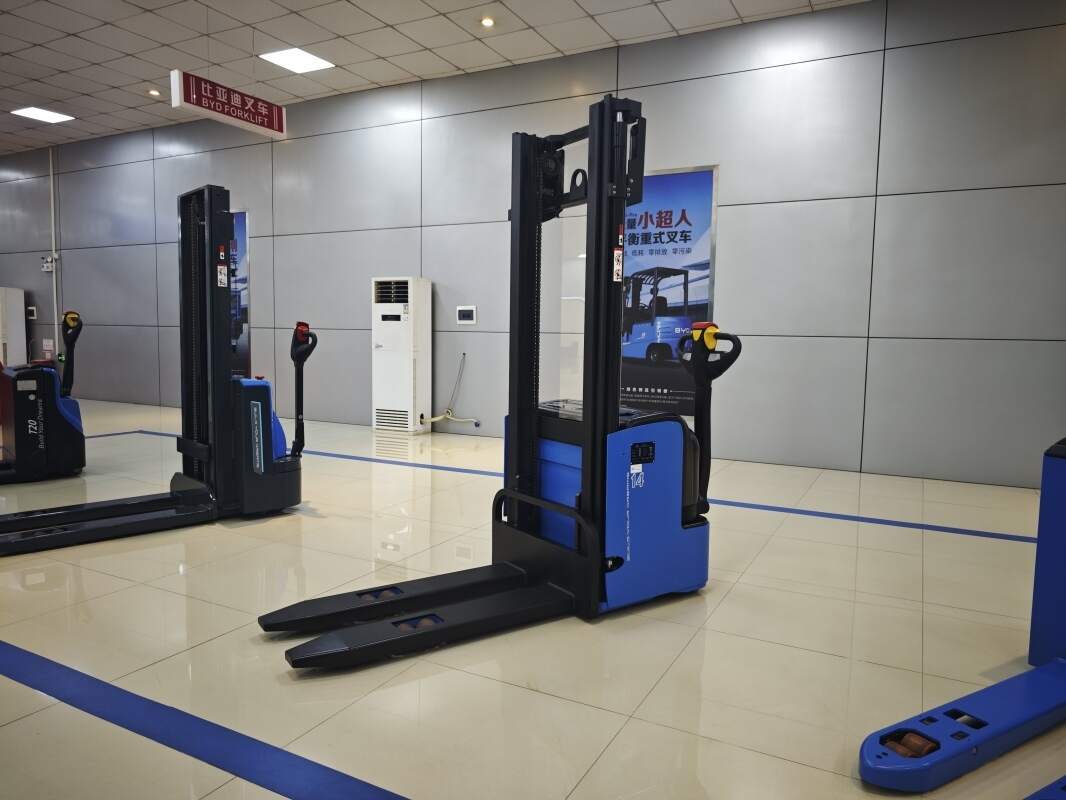
As low-carbon logistics and green warehouse operation concepts gain wider recognition across the industrial sector, electric forklifts have gradually become one of the most commonly used material handling equipment for various storage, manufacturing and distribution scenarios. This guide sorts out core practical knowledge related to its application, operation and maintenance to help relevant practitioners grasp key points for more efficient, safer usage.
Core Performance Advantages of Modern Electric Forklifts
Different from internal combustion counterparts, electric forklifts are powered by on-board energy storage units, which produce no exhaust emission during operation, making them more suitable for closed indoor operation spaces with high air quality requirements. The overall noise level during working status is relatively low, which can effectively reduce noise interference to surrounding staff in densely arranged warehouse areas, and create a more comfortable working environment for front-line operators. The power output structure of most electric forklift models adopts optimized transmission design, which can provide smooth power output during cargo lifting and moving process, and reduce the shaking risk of high-value or fragile goods during handling.
Standardized Daily Operation Specifications
Before starting each shift, operators need to conduct routine pre-inspection on the electric forklift, including checking the remaining power level of the energy storage unit, the flexibility of the lifting and steering system, and the sensitivity of the braking components. During the operation process, operators need to strictly follow the load capacity marked on the equipment nameplate, avoid overloading operation that may cause extra wear to the structural parts, and keep a safe distance from surrounding shelves, staff and other operating equipment. After completing the daily operation tasks, operators need to park the equipment in the designated charging and storage area, lower the lifting fork to the horizontal position close to the ground, and cut off the main power supply of the whole machine.
Regular Maintenance and Long-Term Cost Control
Carrying out regular maintenance according to the specified cycle can effectively extend the service life of key components of electric forklifts, reduce the probability of unexpected equipment failure during peak operation periods, and avoid unplanned shutdown loss. The daily maintenance work can include regular cleaning of the dust and sundries accumulated on the surface of the power unit, checking the tightness of each wiring interface, and adding proper amount of lubricating oil to the moving parts of the lifting system. Compared with traditional internal combustion handling equipment, the overall energy consumption cost of electric forklifts per unit operation hour is relatively lower, and reasonable maintenance arrangement can further amplify this cost advantage in long-term operation.


