简体中文
 Русский
 Français
 Português
 Español
 لالعربية

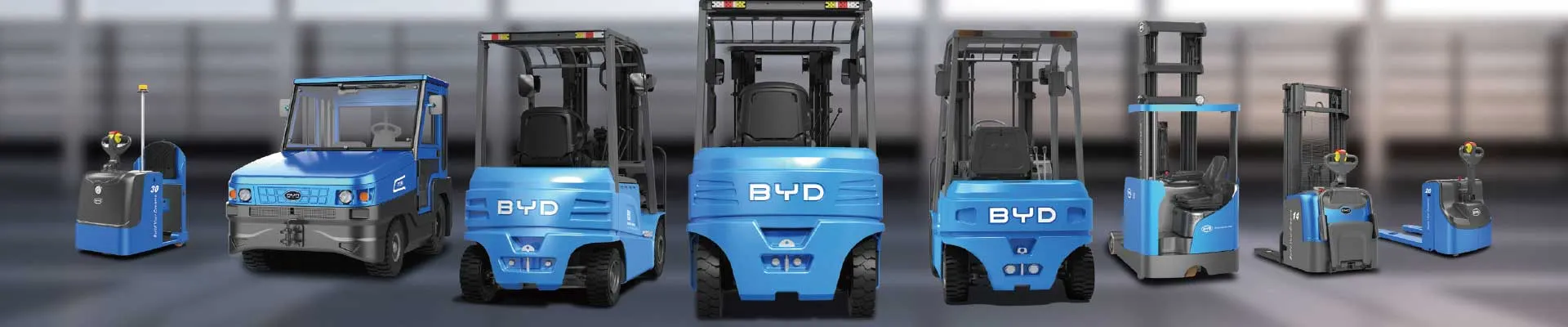
Beverage plant operations put forward unique targeted requirements for material handling equipment, since the whole process from raw material unloading, semi-finished product transfer to finished beverage pallet storage and outgoing transportation needs stable, flexible and high-efficiency supporting tools. Unlike general industrial scenarios, beverage plant operation scenarios usually have high-frequency loading and unloading demands, often involving heavy pallet loads of bottled, canned or boxed beverage products, and the operation space between production lines and storage areas is relatively compact, which puts forward higher standards for the selection of counterbalance forklifts.
When selecting a counterbalance forklift for beverage plant use, the first factor to confirm is the matching of rated load capacity and actual operation demands. Most finished beverage pallets have a fixed total weight range, and users need to reserve a reasonable load redundancy on the basis of the maximum weight of common operation goods, to avoid overload operation affecting the service life of equipment and operation safety. Meanwhile, users also need to confirm the matching of the lifting height of the counterbalance forklift and the shelf height of the storage area, to make sure the equipment can complete the stacking and picking work of goods at different height levels stably.
The second core consideration is the environmental adaptability of the equipment to the beverage plant. Most beverage production areas have strict requirements for low emission and low noise, which makes electric counterbalance forklifts a more suitable choice compared with traditional internal combustion models. Electric operation mode will not produce exhaust emissions, will not cause potential pollution risk to beverage production raw materials and finished products, and the low noise operation state will not interfere with the normal operation of production line staff. In addition, the compact body turning radius design of the suitable model can adapt to the narrow channel operation between production lines and shelves, effectively improving the passing efficiency.
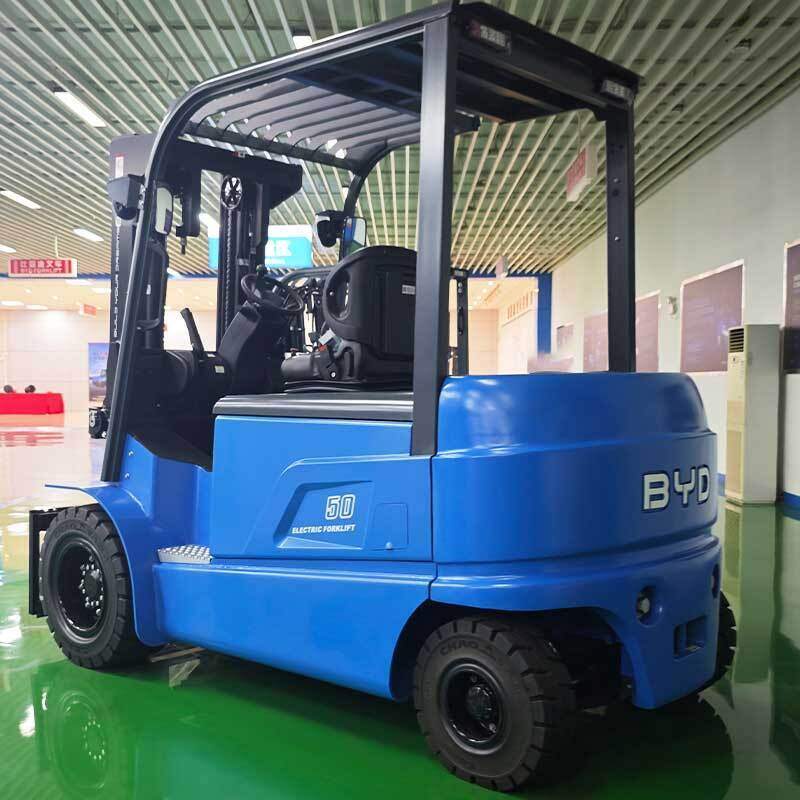
Then, users also need to evaluate the long-term operation cost of the equipment. High-frequency operation of beverage plants means that the equipment will maintain a long daily working time, and the electric counterbalance forklift with stable battery performance can support long-hour continuous operation after one full charge, to meet the work demands of multi-shift production scenarios. The reasonable after-sales support system can also ensure that the equipment can get rapid maintenance and spare parts supply in case of minor faults, reducing the downtime loss of the whole production and logistics link.
We are Jianxin New Energy, a professional supplier focused on high-quality electric forklift products, specializing in BYD electric counterbalance forklift solutions for different industrial scenarios including beverage plants. If you have relevant demand for equipment selection and consultation, you can contact us via email at [email protected] for more professional tailored suggestions.