
 简体中文
 Русский
 Français
 Português
 Español
 لالعربية


Modern retail warehouses generally face prominent order fluctuation features, that the order volume often rises sharply during weekends, promotional periods and holiday shopping seasons, putting higher requirements on the efficiency of goods receiving, storage, picking and outbound links. Traditional warehouse planning usually reserves large special areas for long-time charging, battery replacement and regular battery maintenance for internal combustion forklifts or lead-acid forklifts, which takes up a large proportion of effective usable space and can hardly adapt to the flexible operation demands of retail scenarios.
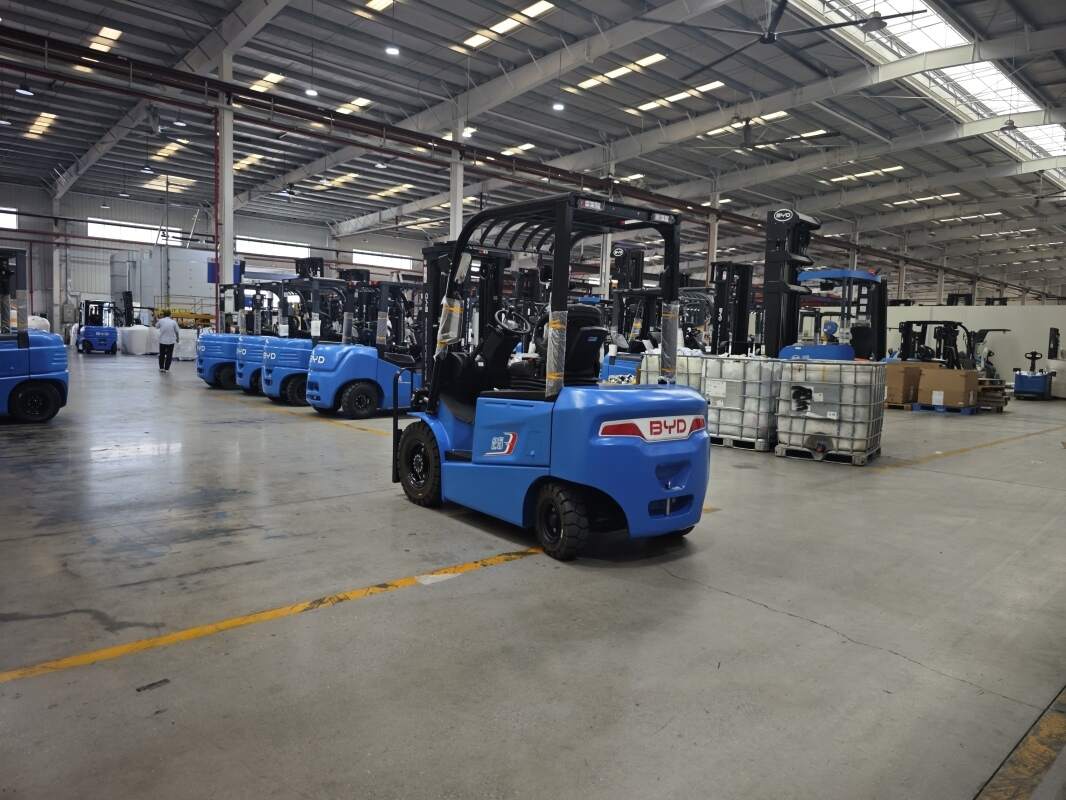
When building a retail warehouse plan around lithium-ion forklifts, the first core step is to optimize the layout of operation aisles and storage zones. Different from traditional forklifts that need hours of continuous charging, lithium-ion forklifts support short intermittent charging during staff shift breaks or low operation peaks, so there is no need to set up independent large-scale charging areas or special battery maintenance areas inside the warehouse. The saved space can be converted into additional goods storage zones or temporary order sorting areas, effectively improving the unit space utilization rate of the whole warehouse. The aisle width can also be adjusted according to the actual operation parameters of selected lithium-ion forklifts, avoiding unnecessary space waste caused by redundant safety margins reserved for old-type handling equipment.
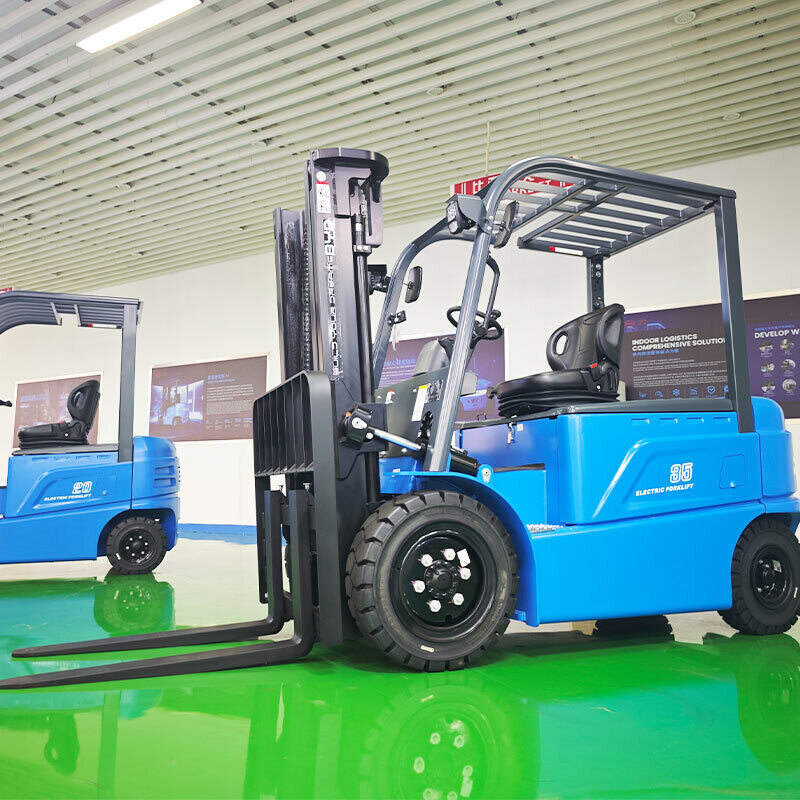
The second key part is to make flexible operation scheduling rules that match the performance characteristics of lithium-ion forklifts. Retail warehouses often bear 3 to 4 times of conventional order processing volume in short peak periods, and lithium-ion forklifts can maintain stable operation output within the whole operation window without frequent battery replacement. The warehouse management team does not need to prepare multiple standby vehicles for battery rotation, and can dynamically allocate existing forklift resources according to real-time order volume, effectively reducing the idle rate of handling equipment. The operation plan can also be extended to support 24-hour non-stop operation as needed, to cope with large-scale centralized order delivery demands in special periods.
The third point is to build a lightweight supporting facility system. The whole warehouse only needs to set up several compact charging points scattered near the operation rest area, no extra anti-corrosion and anti-leakage transformation for battery maintenance areas is required, which reduces the early site transformation investment and later daily maintenance manpower input.
Jianshu New Energy, which focuses on BYD electric forklifts, has rich practical experience in supporting retail warehouse planning. If you need targeted solution consultation, you can contact us via [email protected].


