
 简体中文
 Русский
 Français
 Português
 Español
 لالعربية


When you are planning to upgrade your in-house material handling fleet, switching to lithium-ion forklifts is a practical move that brings long-term operational benefits, but you need to clarify multiple core points before finalizing your purchase decision to avoid unnecessary mismatches with your actual usage scenarios.
First, you need to sort out your daily operation indicators clearly before any further selection. Calculate the average daily working hours of your forklift fleet, the maximum weight of goods you need to handle in daily operations, the maximum lifting height required for your storage racks, and the ground condition of your operation area. For scenarios with more than 6 hours of continuous operation per day, high-density racking storage, or frequent cold storage operation, lithium-ion forklifts can show more stable performance compared with traditional lead-acid counterparts, but you need to confirm the corresponding parameter matching to avoid excess performance that causes unnecessary cost waste.
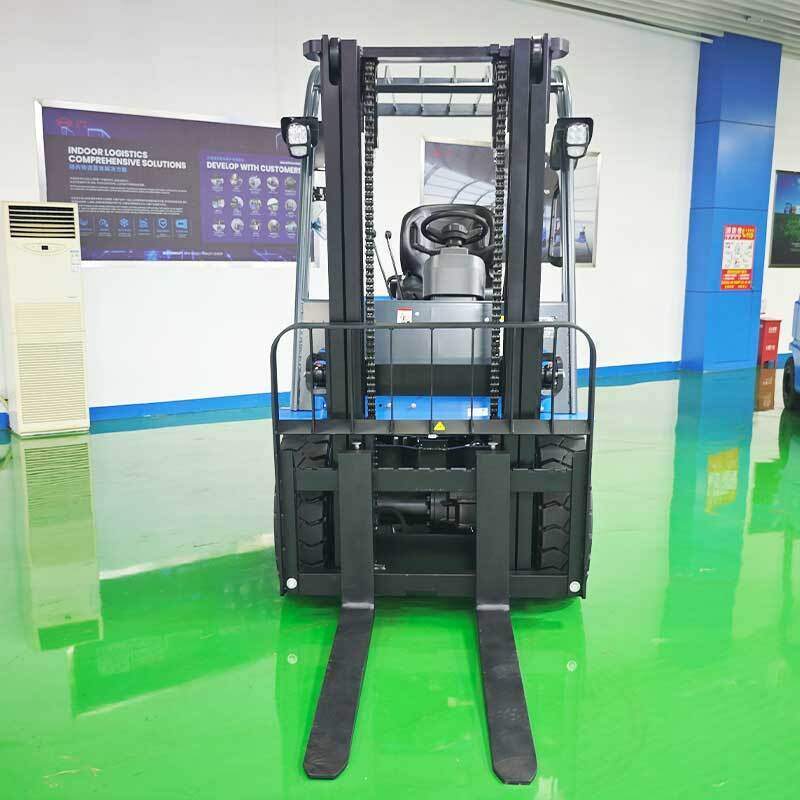
Second, check the supporting conditions of your facility to make sure the new fleet can operate smoothly after delivery. Different from lead-acid forklifts, lithium-ion forklifts support opportunity charging, which means you can arrange short-time charging during staff shift breaks without waiting for the full long charging cycle, but you need to confirm the layout of your on-site charging points, the power load of the corresponding area, and the daily maintenance arrangement for the fleet. You do not need to set up special acid storage and regular watering maintenance areas for lithium-ion forklifts, which can save extra site occupation and labor cost in the long run, but you need to arrange regular safety inspection for the battery packs to keep the whole fleet in good running condition.
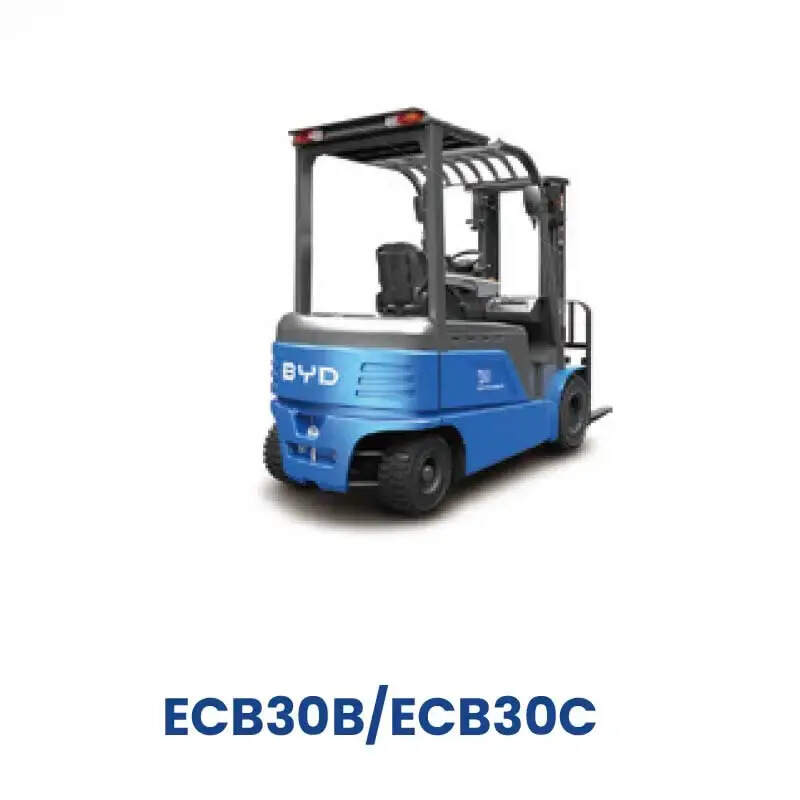
Third, make a comprehensive total cost of ownership calculation instead of only focusing on the initial purchase price. Although the upfront input of lithium-ion forklifts is slightly higher than traditional lead-acid products, the longer battery cycle life, lower daily maintenance cost, no need for frequent battery replacement, and higher operation efficiency will bring measurable cost reduction in 3 to 5 years of normal usage. You can calculate the actual annual operation cost combined with your local electricity price, labor cost for equipment maintenance, and expected annual working days of the forklift, to judge the payback period of the investment reasonably.
As Jianshu New Energy, we focus on BYD electric forklift supply and related supporting services, if you have any questions about parameter matching, scenario adaptability assessment or fleet planning before purchasing a lithium-ion forklift, you can send an email to [email protected] for professional consultation support.


