
 简体中文
 Русский
 Français
 Português
 Español
 لالعربية


When warehouse operators pursue higher storage density and more efficient indoor material handling, the reach forklift is one of the most practical equipment options to solve core operation pain points. Different from traditional counterbalance forklifts, the core structural feature of a reach forklift is the extendable mast that can move forward a certain distance during loading and unloading, which avoids the need for a heavy counterweight structure at the rear of the vehicle, and effectively reduces the overall body size and minimum turning radius.
In actual operation scenarios, the reach forklift can adapt to narrow aisle working conditions with a width of only 1.8 to 2 meters, which can increase the number of cargo shelves per unit warehouse area by over 30% compared with ordinary counterbalance forklifts. It is widely used in high-position cargo access of e-commerce storage centers, raw material turnover of manufacturing workshops, finished goods storage in food processing plants, and low-noise, zero-emission operation needs in cold chain closed warehouses. The electric reach forklift, as the mainstream configuration in the current market, has no exhaust emission during operation, and the overall running noise is controlled at a relatively low level, which will not cause discomfort to long-term on-site operators, and will not pollute the indoor closed working environment.
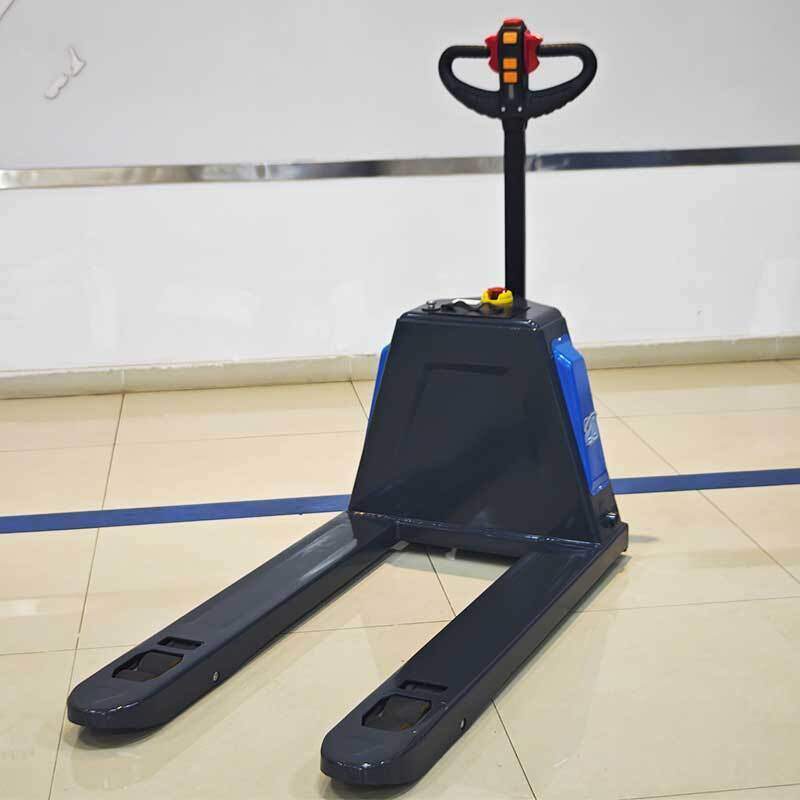
For daily operation and maintenance, the electric reach forklift does not have complex internal combustion engine oil circuits, filter elements and other wearing parts that need regular replacement, and the daily maintenance work is mainly concentrated in checking the lubrication state of the mast chain, the wear degree of the driving wheel, the connection tightness of the battery interface, and the sensitivity of each operation handle. The regular maintenance cycle is longer than that of internal combustion forklifts, which can effectively reduce the long-term operation and maintenance cost of the enterprise.
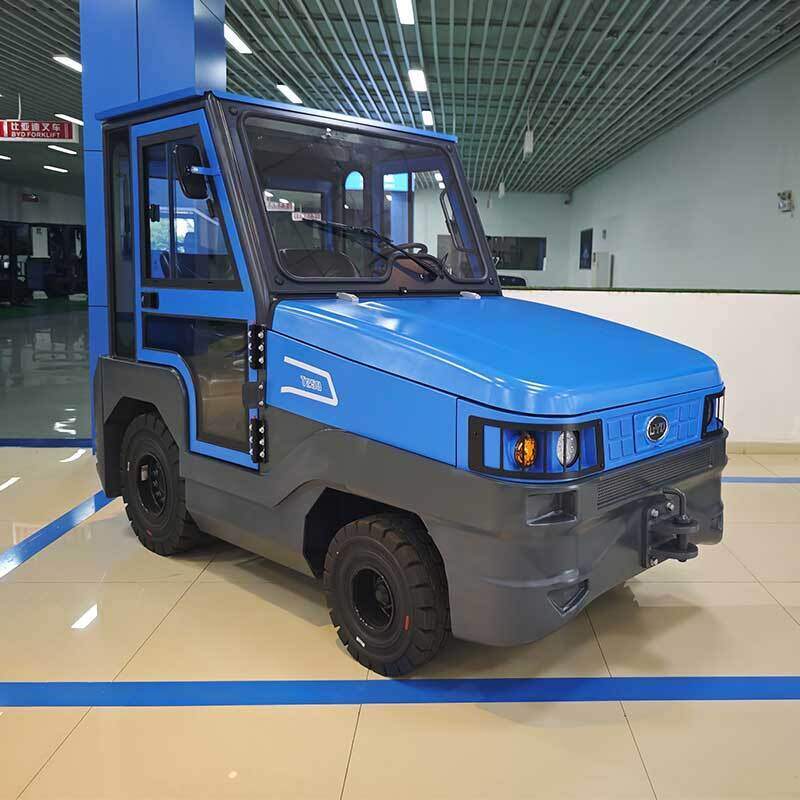
When choosing a suitable reach forklift, operators need to combine their actual working conditions for reference: first, confirm the maximum lifting height of the on-site shelves, and select the corresponding mast configuration according to the actual load that needs to be lifted to the highest position; second, measure the minimum width of the working aisle to ensure that the body turning radius of the selected equipment matches the site condition; third, confirm the daily continuous operation duration, and select the corresponding battery capacity configuration to meet the daily operation needs.
As a professional new energy material handling service provider, Jian Shu New Energy focuses on BYD electric forklift product supply and full-cycle after-sales support. If you have any consultation demand for reach forklift or related electric warehouse handling equipment, you can contact us via email at [email protected] for customized solutions.


