简体中文
 Русский
 Français
 Português
 Español
 لالعربية


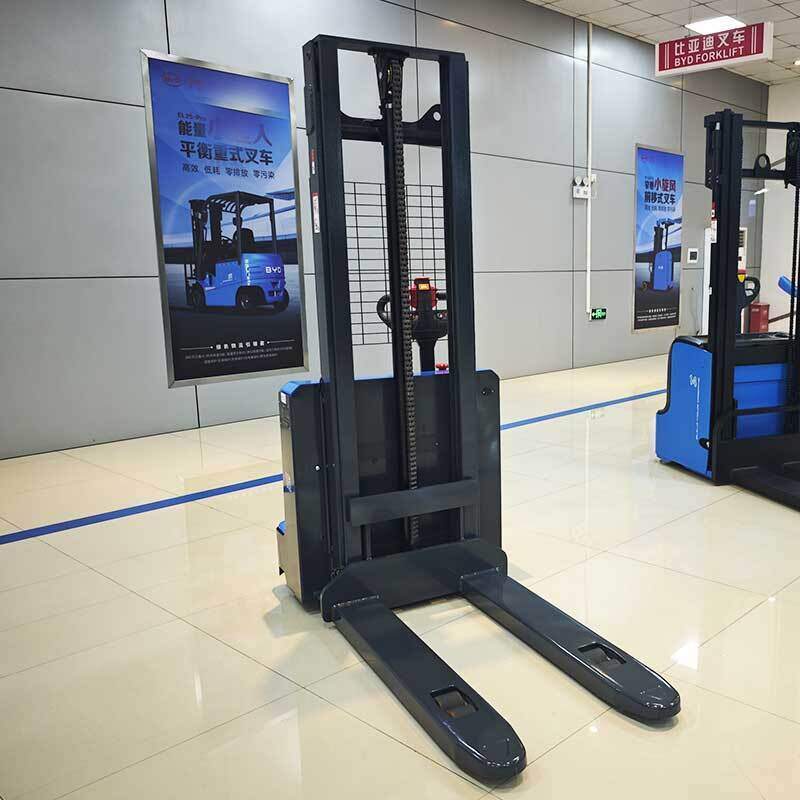
In recent years, new energy electric forklifts have been widely applied in logistics, manufacturing, retail storage and other scenarios, thanks to their low noise, zero tailpipe emission and low long-term operation cost compared with traditional internal combustion counterparts. This practical guide arranges core practical know-how for all users from beginners to experienced operators, helping you make full use of electric forklifts to support smooth daily material handling work.
First comes the pre-purchase selection part. You need to sort out actual operation demands first before choosing a suitable electric forklift. For narrow-aisle dense storage scenarios, you can pick models with small turning radius to fit limited operation space. For open-air operation scenarios, you can select products that meet corresponding waterproof and dustproof protection standards to adapt to complex outdoor weather conditions. You shall confirm the maximum loading weight and maximum lifting height of your daily work, and pick proper rated load and rated lifting height parameters accordingly, to avoid frequent overloaded operation that may cause extra wear of core components.
Next is the standard safe operation specification. Before each shift, operators need to make a quick pre-check: confirm remaining power of the power system, check the sensitivity of the brake system, confirm there is no abnormal deformation of the fork and mast structure. During operation, no staff should stand under the lifting mast or on the forks. Operators need to keep low driving speed in pedestrian concentrated areas, and avoid sharp turn at high speed. When operating on ramps, keep the load facing the upward direction of the slope to prevent slipping risks. After finishing the work task, park the forklift at designated area, pull the handbrake completely, and lower the forks to close to the ground level.
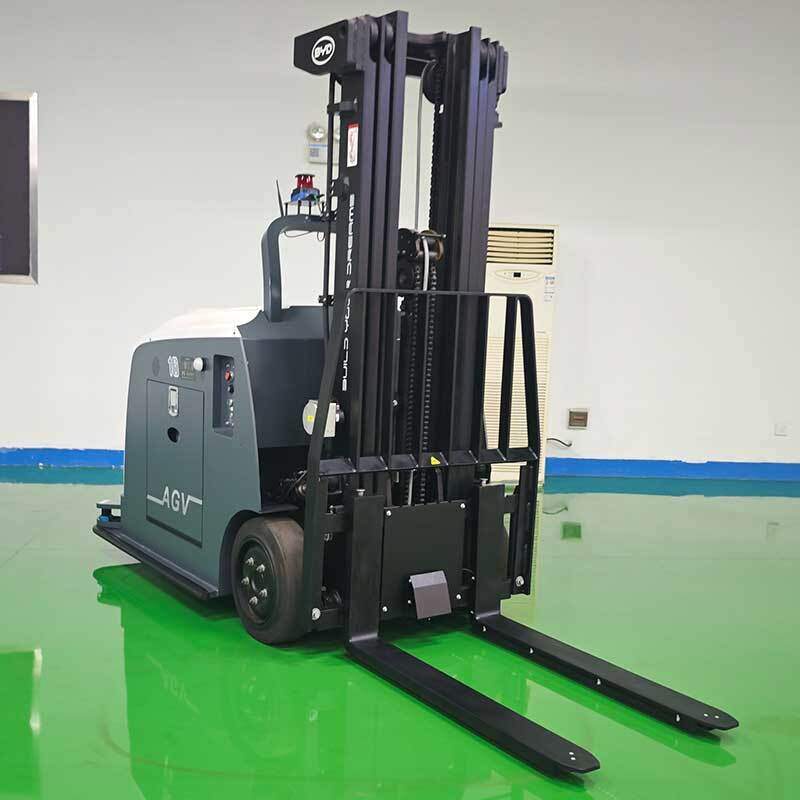
Then comes the daily maintenance tips to extend the service life of the equipment. Follow the official charging specifications strictly, avoid over-charging or full discharging for a long time. If the equipment is left unused for more than two weeks, arrange supplementary charging every 15 days to keep the power system in good state. Clean the dust and sundries accumulated on the heat dissipation parts of the body regularly, check the wear degree of tires, sealing rings and other wearing parts on a regular basis, and replace the aging parts in time to reduce unexpected failure rate.
As a professional team focused on new energy material handling equipment, we are Jian Shu New Energy, who specialize in BYD electric forklift related services. If you have any further consultation demands about electric forklifts, you are welcome to send emails to [email protected] for targeted professional support.