简体中文
 Русский
 Français
 Português
 Español
 لالعربية


For enterprises that are transitioning from traditional internal combustion forklifts or lead-acid forklifts to lithium-ion forklifts, a clear, practical execution approach can help them avoid unnecessary cost losses, maximize the service life of equipment, and bring stable output of handling efficiency. This practical system does not involve overly complicated technical operations, and can be quickly implemented by ordinary enterprise management and operation teams.
The first step of the approach is to complete pre-deployment scenario matching assessment. Before introducing lithium-ion forklift equipment, the operation team needs to sort out core operating data for at least 3 consecutive weeks, including average daily working hours, maximum handling load, average channel width of the operation site, ambient temperature range of the working area, and special requirements for indoor or outdoor operation. According to these data, select the equipment configuration that matches the actual demand, which can avoid the cost waste caused by blindly pursuing excess parameters, and also prevent the equipment performance from failing to meet the operation demand due to excessive pursuit of low input.
The second part of the approach is to standardize daily operation and maintenance processes. Different from lead-acid forklifts, lithium-ion forklifts do not need frequent watering, battery replacement and other tedious maintenance work. The operation team only needs to arrange regular appearance cleaning, check the battery power level before starting work every day, and perform supplementary charging when the remaining power is between 20% and 30%. It is recommended to make full use of the work break time for short-term fast charging, there is no need to wait until the power is completely exhausted to charge, and long-term deep discharge operation should be avoided as much as possible to extend the overall cycle life of the battery pack. At the same time, do not park the lithium-ion forklift in an unprotected high temperature or extremely low temperature environment for a long time, which can avoid unnecessary loss of battery performance.
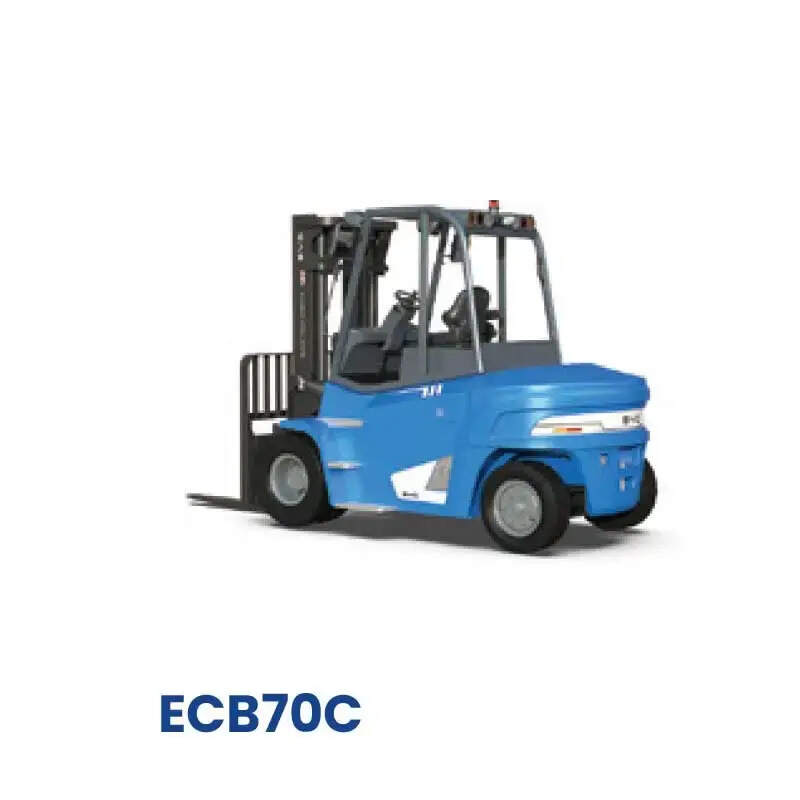
The third part of the approach is to complete regular personnel operation specification training. The driver of the lithium-ion forklift needs to be familiar with the response characteristics of the electronic control system, avoid frequent sharp acceleration and sharp braking under full load state, and do not disassemble the battery pack and related electrical components without professional guidance after encountering unexpected faults, and contact the professional service team in time for troubleshooting.
As a professional new energy service provider, Jian Shu New Energy focuses on BYD electric forklift related supporting services, and can provide full-process guidance including equipment selection, personnel training, after-sales maintenance for different industrial operation scenarios. If you have relevant demand for consultation, please send an email to [email protected] to get exclusive service support.