简体中文
 Русский
 Français
 Português
 Español
 لالعربية


As a professional specialist with years of experience in the industrial material handling industry, we have received a large number of consultation requests from procurement teams and operation managers about lithium-ion forklift selection every year. Many users have encountered unnecessary extra cost or mismatched equipment performance because they did not clarify core demands before making the purchase decision. To help you make a more suitable choice that fits your actual operation scenarios, we sort out 8 critical questions you need to confirm fully before finalizing any lithium-ion forklift cooperation.
First, what is the actual continuous working duration under regular load condition that matches your daily shift arrangement? Different scenarios have different traveling frequency, load weight and operation intensity, so you need to confirm if the corresponding battery capacity can support your whole daily shift without extra emergency charging for regular tasks. Second, what is the expected full lifecycle of the built-in lithium battery under normal daily use, and what performance attenuation standard is covered by the official warranty? Clarifying these contents can help you calculate the total ownership cost of the equipment more accurately, and avoid unexpected battery replacement cost in the early use stage.
Third, can the lithium-ion forklift adapt to your special operation environment? If your operation area includes low temperature cold storage zones, or outdoor working zones with frequent rain and high humidity, you need to confirm the equipment is equipped with corresponding protection design to maintain stable long-term performance. Fourth, what is the routine daily maintenance requirement for the lithium-ion forklift? Different from traditional lead-acid forklifts, lithium-ion forklifts do not need regular water replenishment for the battery part, but you still need to clarify the allowed routine inspection items that can be completed by frontline operators.
Fifth, can the supplier provide on-site after-sales support within your acceptable response time? Unplanned downtime of material handling equipment will directly affect the whole operation efficiency of your warehouse or production line, so a clear after-sales response mechanism can effectively reduce unnecessary operation loss. Sixth, what is the actual charging efficiency of the forklift’s battery system? If you only have short break slots between different shifts, moderate fast charging performance can supplement enough power for subsequent operations without waiting for extra hours.
Seventh, can the forklift’s maximum load weight and maximum lifting height meet your daily storage rack usage demands stably under full load condition? It is suggested that you verify the actual operation performance instead of only referring to the nominal parameters on the product brochure. Eighth, what is the reference residual value of the lithium-ion forklift after 5 to 7 years of normal use? Clear residual value reference can help you make more reasonable long-term equipment update planning.
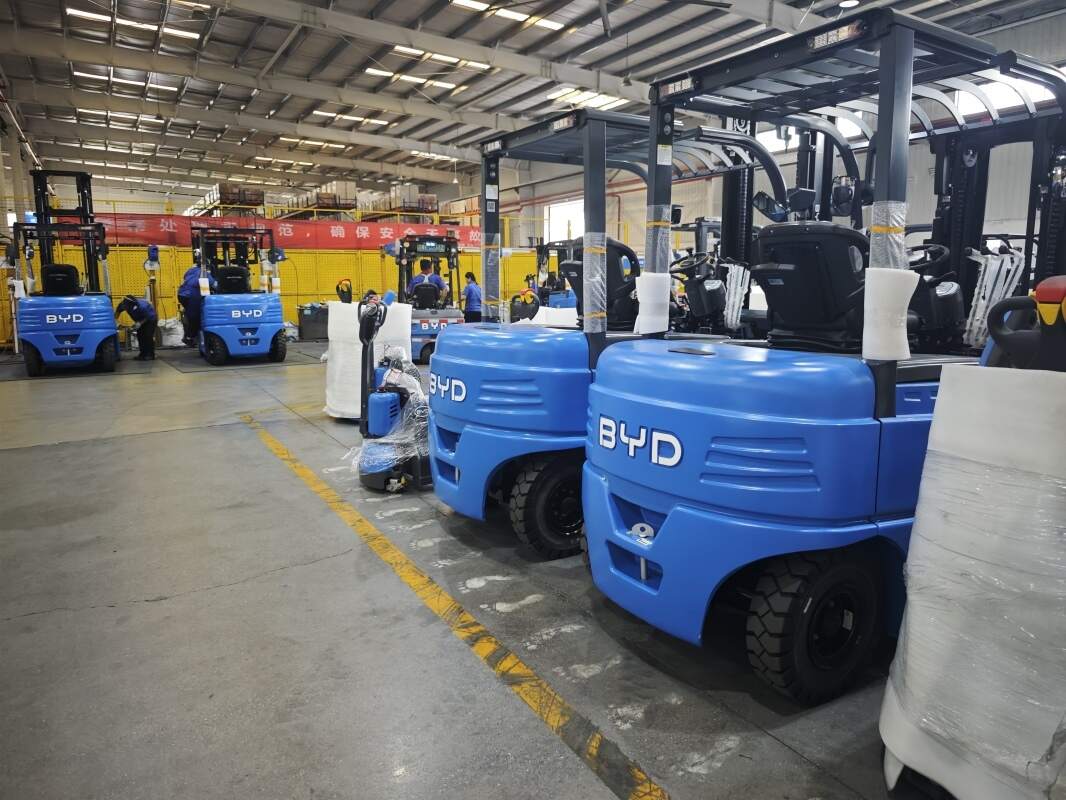
Jianshu New Energy, as a professional service provider focused on BYD electric forklift, can provide you with full-dimensional demand consultation and customized solution matching your actual operation scenarios. For more detailed information, you can send your specific demand to our contact email: [email protected].