
 简体中文
 Русский
 Français
 Português
 Español
 لالعربية


Beverage plants have unique material handling requirements that differ from general industrial warehouses, covering scenarios from raw material transportation, finished product storage, to dock loading and unloading, and choosing the right forklift can significantly optimize overall operation efficiency. The 8 practical advantages of lithium forklifts are highly matched with the actual demands of beverage plant operations.
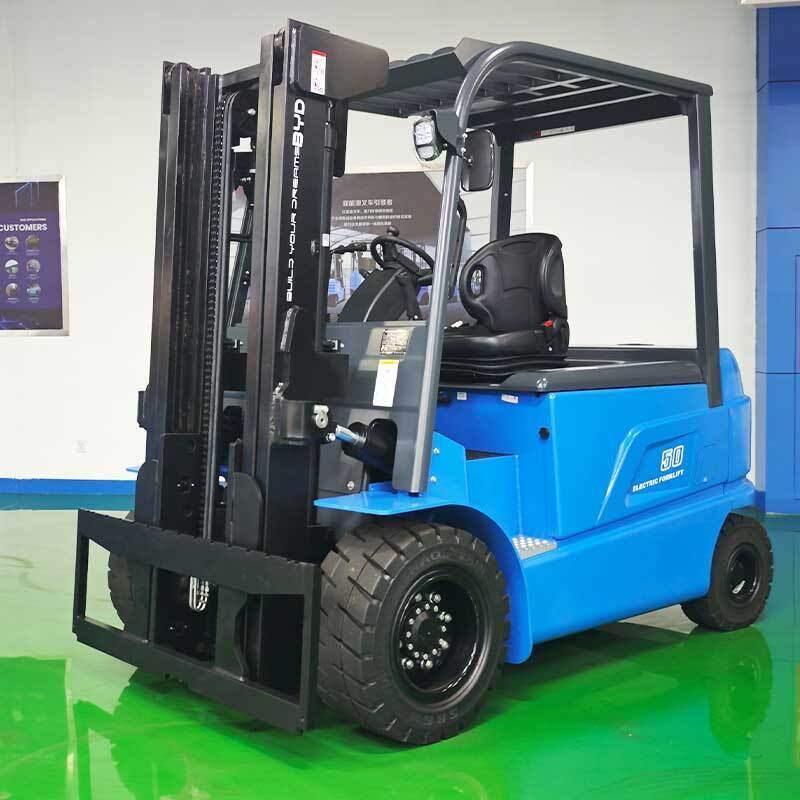
First, zero on-site emission performance fully meets the food production hygiene standards. Unlike internal combustion forklifts that produce exhaust gas during operation, lithium forklifts do not generate any exhaust pollutants, which avoids possible contamination to bottled, canned and packaged beverages stored or transported in the plant.
Second, low noise operation maintains a stable working environment. The operating noise of lithium forklifts is far lower than that of internal combustion models, which will not interfere with normal production scheduling, nor cause unnecessary disturbance to staff working in the sealed filling workshop.
Third, opportunity charging function supports high-intensity peak operation. During peak beverage sales seasons, plant logistics teams can arrange 10 to 15 minutes of charging during work breaks or shift handover periods, no need to replace heavy spare batteries, which effectively ensures continuous operation of 24-hour production lines.
Fourth, lower daily maintenance workload cuts long-term operating costs. Lithium forklifts do not need regular operations such as adding acid, adding water or cleaning the battery shell, and the number of regular maintenance points is far less than that of lead-acid or internal combustion forklifts, which reduces the input of maintenance personnel and spare parts.
Fifth, stable power output ensures consistent operation performance. The power of lithium forklifts will not drop significantly with the decrease of remaining power, and it can maintain stable lifting and transporting performance even when carrying fully loaded pallets filled with finished beverages, whether on flat ground or sloped loading docks.
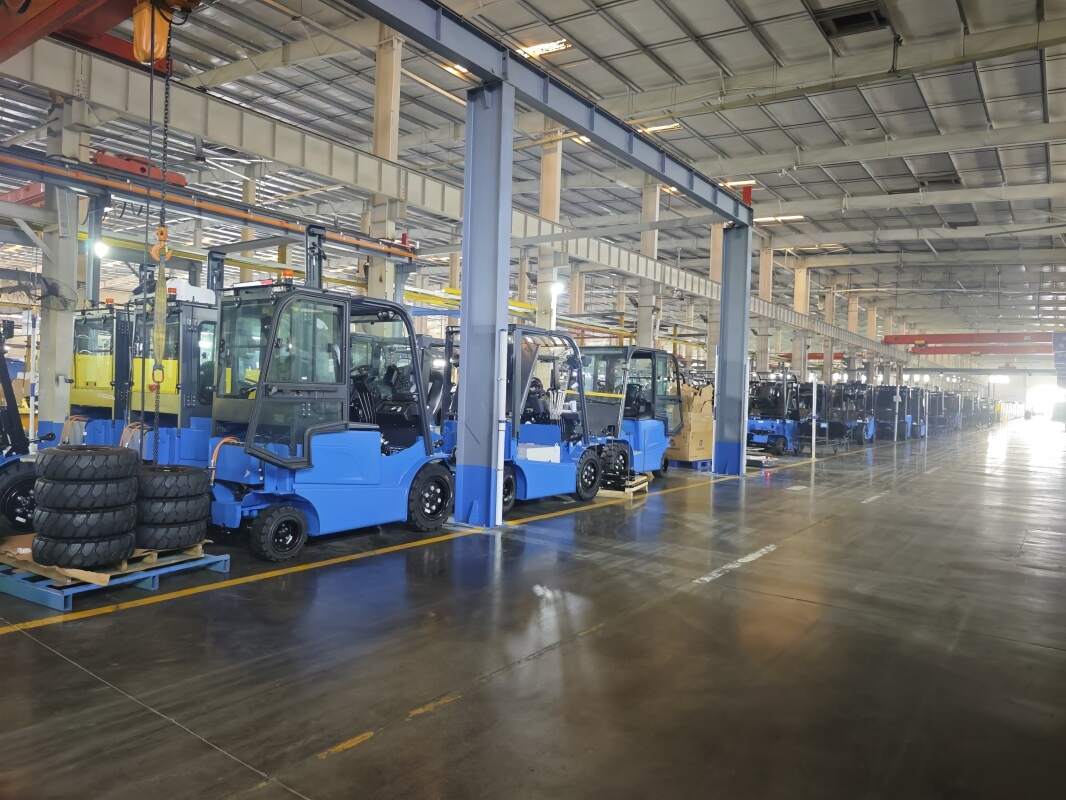
Sixth, flexible body design adapts to narrow channel scenes. Many beverage plants set up very narrow storage channels to maximize the use of limited warehouse space, and the compact and flexible lithium forklift can pass through these narrow channels smoothly, improving the access efficiency of goods on high shelves.
Seventh, wide temperature adaptability meets the needs of cold chain scenarios. Many beverage plants are equipped with low-temperature cold storage for storing special drinks, and lithium forklifts can maintain stable working performance in low-temperature environment without frequent extra heating measures.
Eighth, easy to meet food safety audit requirements. Lithium forklifts do not have the risk of fuel leakage or corrosive electrolyte leakage, which can easily pass the regular safety and hygiene audits of food and beverage production enterprises, reducing the hidden danger of compliance.
We are Jianshu New Energy, focusing on BYD electric forklift solutions, if you need more professional product consultation and customized solution support, please contact us via [email protected].


