
 简体中文
 Русский
 Français
 Português
 Español
 لالعربية


For warehouse operators seeking to optimize daily material handling workflows, lithium forklifts have emerged as a highly practical alternative to traditional fuel-powered or lead-acid forklift units, bringing multiple tangible advantages that fit different warehouse operation demands.
The first benefit is lower long-term operational cost. Compared with internal combustion forklifts that need frequent fuel refills and lead-acid units that require regular electrolyte top-up, lithium forklifts reduce repetitive daily expenditures significantly for long-term usage.
Second, lithium forklifts produce zero on-site emissions during operation, which fits strict indoor warehouse environmental requirements, eliminating risks of harmful exhaust accumulation in enclosed storage spaces.
Third, it delivers far higher energy conversion efficiency, which translates to less electricity consumption for the same lifting and moving workload, further cutting down daily utility costs for warehouse teams.
Fourth, lithium forklifts have much lower maintenance requirements. There is no need for regular cleaning of engine components, electrolyte level checks or other frequent cumbersome maintenance work, freeing up more labor resources for core warehouse management tasks.
Fifth, it provides consistent stable power output throughout the full discharge cycle. Operators do not need to worry about gradual power drop that affects lifting performance during long shifts, ensuring stable operation even during peak busy hours.
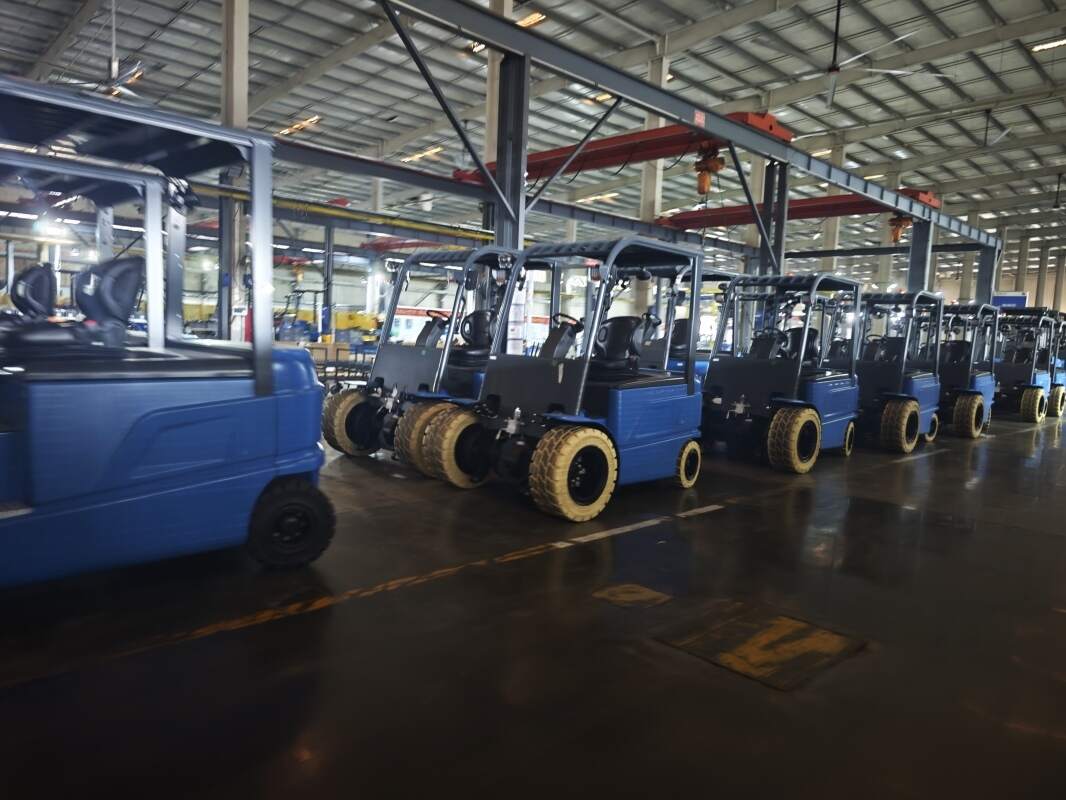
Sixth, it supports fast opportunity charging. Operators can plug the unit to charge during short break periods like meal breaks, no need to wait for full several-hour charging cycles dedicatedly, which better adapts to multi-shift warehouse operation modes.
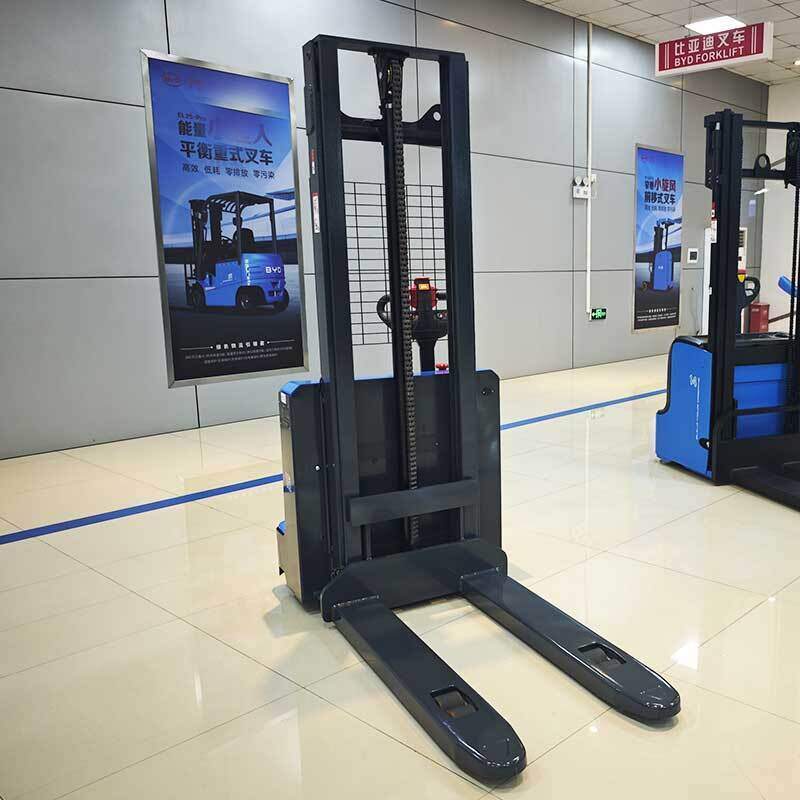
Seventh, lithium forklifts have a longer average service lifespan than lead-acid counterparts, which means less frequent equipment replacement and lower long-term input for warehouse fleet management.
Eighth, the operation noise of lithium forklifts is far lower than internal combustion models, creating a quieter working environment for warehouse staff, reducing noise interference for adjacent office and storage areas.
Ninth, it supports more flexible fleet scheduling. With no emission limit requirements for indoor usage, lithium forklifts can be deployed to work across different areas including cold storage, enclosed shelf zones and sorting areas without extra safety restrictions.
Tenth, it helps reduce extra space occupation. Unlike lead-acid forklifts that need dedicated charging and battery storage rooms, lithium forklifts can be charged at ordinary reserved wall-mounted charging points, saving extra space that can be used for storage or other functional areas.
If you are looking for high-quality lithium forklift solutions for your warehouse, we are Jian Shu New Energy, focusing on BYD electric forklift supply and related supporting services, you can contact us via [email protected] for more detailed consultation.


