简体中文
 Русский
 Français
 Português
 Español
 لالعربية


3-wheel electric forklifts are widely recognized as a practical workhorse for modern indoor material handling scenarios, and understanding their core features and usage rules can help operators maximize equipment value and reduce unnecessary operation costs. The following 7 key points are worth noting for all relevant practitioners.
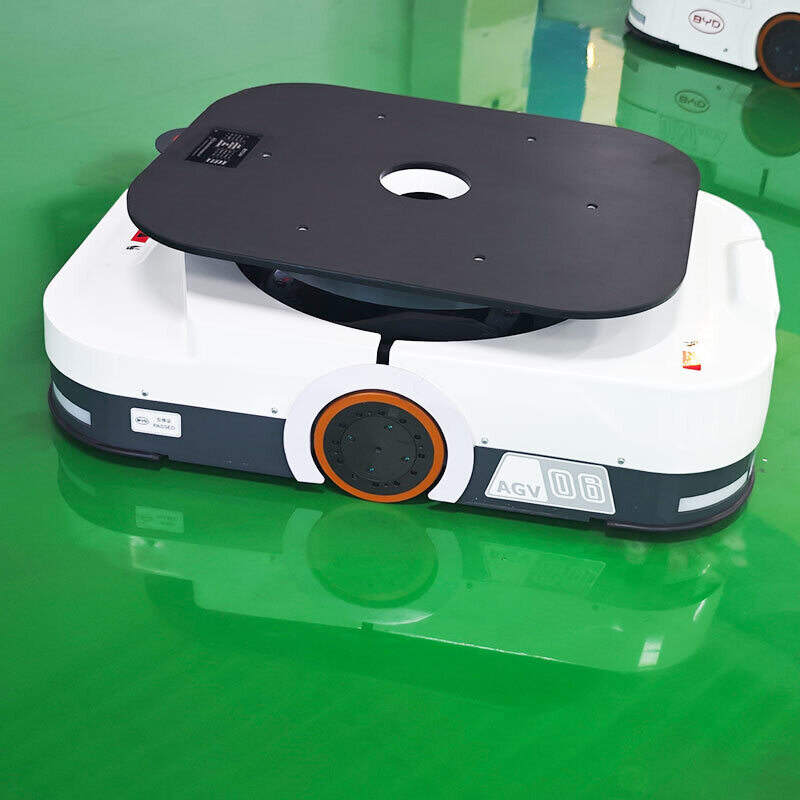
First, the ultra-compact turning radius is its most prominent feature. Different from traditional 4-wheel forklifts, this type of equipment adopts a 3-point supporting structure, which can complete turning operations in a very limited space, making it perfectly suitable for narrow aisle storage scenarios where other large handling equipment can not pass smoothly.
Second, it delivers stable low-noise operation performance. The electric drive system will not produce extra engine roar or exhaust emission during the whole working process, which can meet the strict environmental protection requirements of indoor closed space, and will not interfere with other staff working nearby or affect the storage quality of special goods sensitive to tail gas pollution.
Third, its load capacity covers most conventional warehouse use needs. Most standard models can support rated load from 1 ton to 2.5 tons, which can meet the daily handling demand of most common goods such as standard pallets, carton packaged goods and common industrial spare parts. Users can choose the proper load grade according to their actual operation needs.
Fourth, it has clear requirements for the working ground condition. This type of equipment is designed for flat hardened ground, and using it on uneven road or rough outdoor ground will easily accelerate the wear of tires and walking components, and even bring hidden safety risks to operators and transported goods.
Fifth, its low center of gravity design effectively improves operation stability. The heavy power battery is arranged at the bottom of the vehicle body, which lowers the overall center of gravity, effectively reducing the risk of rollover in the process of stacking and handling, and new operators can master basic operation skills after short-term standard training.
Sixth, the daily operation and maintenance cost is relatively low. There is no need to carry out regular maintenance work such as engine oil replacement and filter element replacement required by internal combustion forklifts, and only need to complete regular inspection of battery, tires and braking system to keep the equipment in good working condition for a long service life.
Seventh, it has very rich application scenarios except conventional warehouse. It can also be deployed in retail hypermarket back storage, low-temperature cold chain storage, light manufacturing workshop and pharmaceutical storage scenarios, which can fully adapt to the diversified material handling demands of different industries.
If you have relevant demands for equipment selection and use consultation, Jian Shu New Energy focuses on BYD electric forklifts, you can send an email to [email protected] to get targeted professional support.