简体中文
 Русский
 Français
 Português
 Español
 لالعربية


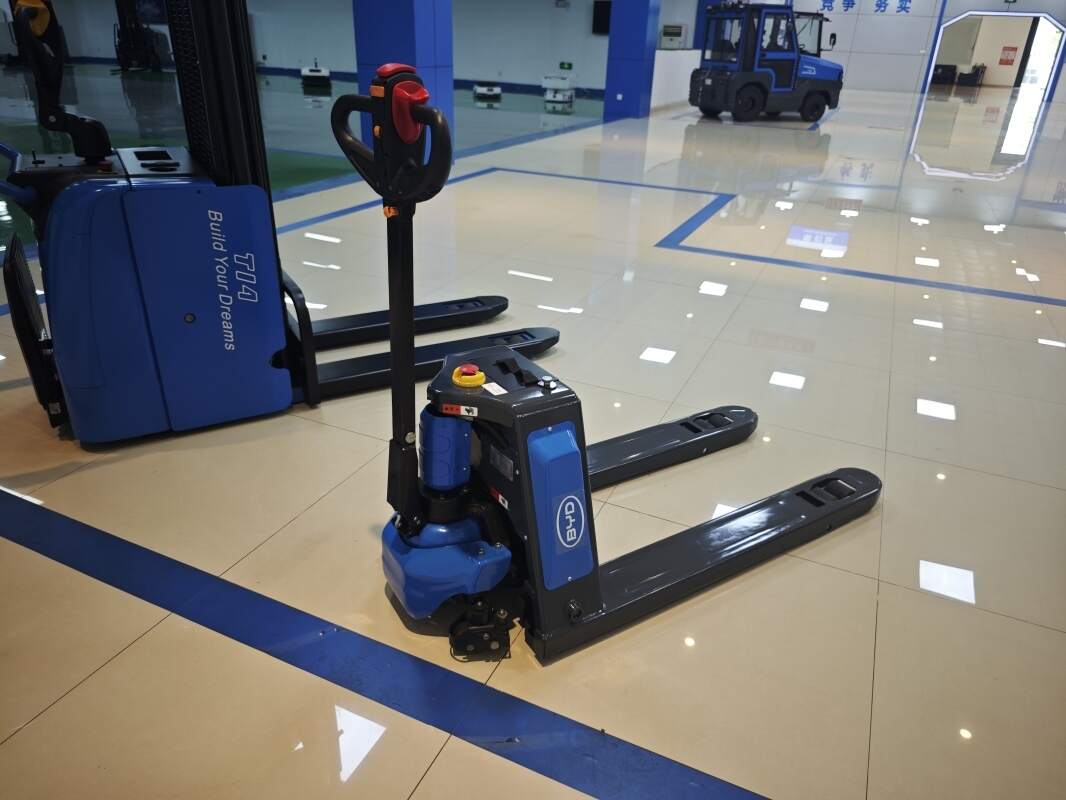
Retail warehouses carry high-intensity daily material handling tasks ranging from inbound cargo receiving, SKU sorting to outbound distribution, and the choice of handling equipment directly affects overall operational efficiency, operating cost and staff working experience.
The first core benefit of electric forklift for retail warehouses is zero local operating emissions. Unlike internal combustion forklifts that discharge tail gas during operation, electric forklifts do not produce any exhaust fumes at the working site, which can avoid oil and gas pollution to sensitive retail goods such as food, apparel and daily cosmetics, and maintain a clean indoor storage environment.
The second benefit is extremely low operating noise. Electric forklifts do not have the roaring noise generated by internal combustion engines, which will not interfere with normal communication between sorting staff, and will not cause noise disturbance to surrounding commercial areas adjacent to the retail warehouse, creating a more comfortable working environment for on-site operators.
The third benefit is lower long-term operating cost. Electric forklifts run on electric power, whose unit energy cost is far lower than traditional fuel, and their daily maintenance items are far fewer than fuel forklifts, eliminating the need for regular replacement of engine oil, filter elements and other wearing parts, which can help retail warehouses save a lot of operating expenditure during long-term use.
The fourth benefit is higher operation flexibility. The body structure of electric forklift can be designed more compactly, which supports flexible steering in narrow aisles. For most retail warehouses that plan narrow passages to place as many SKU shelves as possible, electric forklifts can fully adapt to the operation scene and maximize the utilization rate of storage space.
The fifth benefit is improved operation safety and reduced operator fatigue. Electric forklifts generate minimal vibration during operation, and their control logic is more user-friendly. After short-term training, operators can get familiar with the operation quickly, which effectively reduces the risk of cargo collision and damage, and cuts the goods loss rate of retail warehouses.
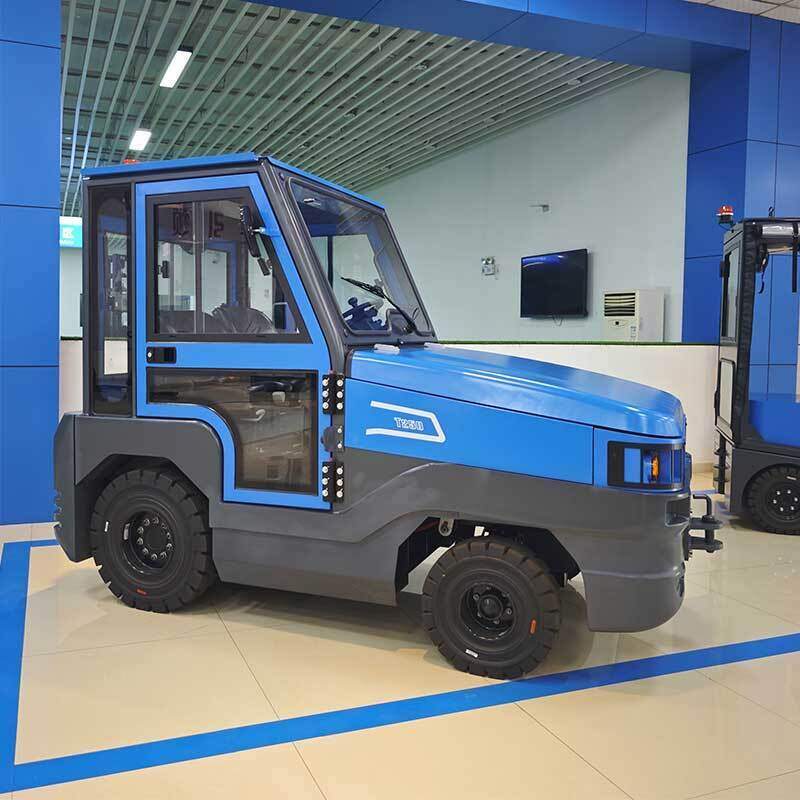
The sixth benefit is no extra fuel management burden. Retail warehouses do not need to allocate special independent dangerous area for fuel storage, nor do they need to go through special safety approval procedures for fuel use, which saves valuable storage area and eliminates potential fire safety risks brought by fuel storage.
The seventh benefit is better compliance with local environmental management regulations. Most urban logistics parks and retail storage areas have clear requirements for low-carbon and low-pollution operation, and the use of electric forklifts can fully meet relevant regulatory requirements, avoid unnecessary operation restrictions, and qualify for corresponding green logistics incentive policies in many regions.
If you are looking for suitable electric forklift solutions for your retail warehouse, Jianshu New Energy, which focuses on BYD electric forklift, can provide you with professional targeted suggestions. You can send e-mail to [email protected] for more consultation and customized service support.