简体中文
 Русский
 Français
 Português
 Español
 لالعربية


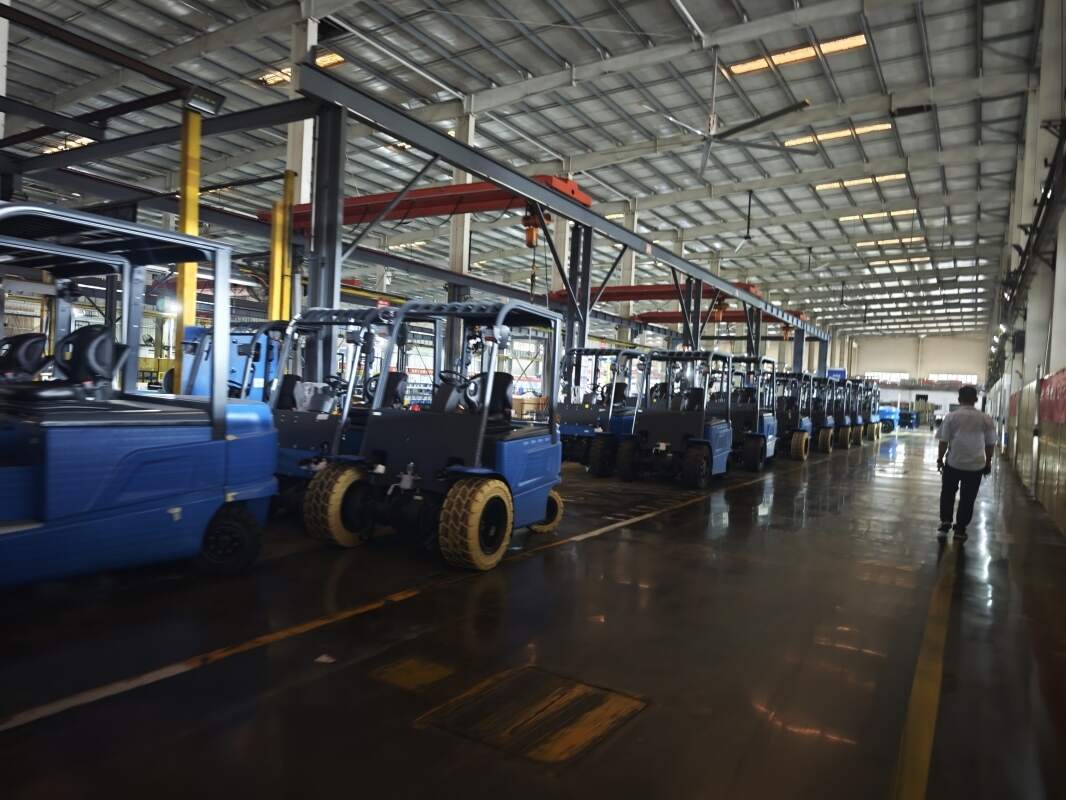
As more and more material handling teams pursue steady, sustainable operation performance, selecting suitable forklift equipment becomes a core part of daily fleet management. Many operation teams that still use traditional internal combustion forklifts often hesitate about switching to electric options, while ignoring obvious signals from their daily operation process. The following 5 signs can help you judge whether your current operation is ready to introduce an electric forklift.
The first obvious sign is that your operation keeps facing rising fuel and regular maintenance costs. Traditional internal combustion forklifts need continuous fuel supply, and require frequent replacement of oil filters, spark plugs and other wearing parts to keep normal running. Electric forklifts rely on clean electric energy as power, their overall energy consumption cost per hour is far lower than that of fuel models, and the number of moving wearing parts is much smaller, which can effectively cut long-term maintenance expense for your team.
The second sign is that more than half of your daily working scenarios are indoor closed or semi-closed spaces. Internal combustion forklifts will produce exhaust emission during operation, which may gradually reduce the air quality in the enclosed warehouse space, and may cause discomfort for on-site operators after long time exposure. Electric forklifts produce zero emission during full operation cycle, and the operating noise is controlled at a relatively low level, which fully meets the indoor operation health and safety standards.
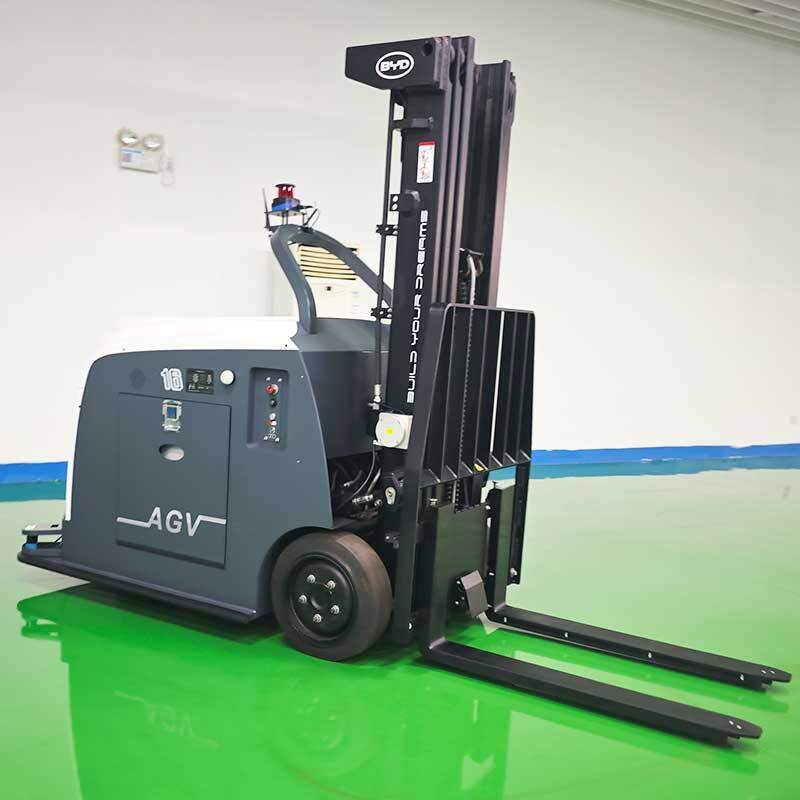
The third sign is that your enterprise is pushing forward low-carbon and environmental protection compliance targets. Recent years have seen stricter environmental protection regulations for logistics and manufacturing industries in many regions, high emission handling equipment may bring potential compliance risks to your operation. Adopting electric forklifts can help you meet local environmental protection requirements, and also better fit the green procurement standards of your upstream and downstream partners in the supply chain.
The fourth sign is that you are facing frequent operator turnover and low job satisfaction of frontline workers. Traditional internal combustion forklifts usually produce relatively large vibration during operation, and the operation force for steering and gear shifting is higher, which will bring obvious fatigue to operators after several hours of continuous work. Electric forklifts have optimized operation ergonomics design, the control force is much softer, and the whole running process is more stable, which can effectively reduce operator fatigue and lower the turnover rate of frontline posts.
The fifth sign is that you have encountered obvious bottleneck in improving overall operation efficiency. Many traditional fuel forklifts need long time waiting for refueling, and the power output stability under frequent start-stop working conditions is limited. Mature electric forklift models can support fast charging, and can adapt to multi-shift working scenarios with reasonable charging arrangement, its stable power output also helps to improve the average handling efficiency per working hour.
If you find more than two of the above signs appearing in your daily operation, it is a suitable time to consider introducing electric forklifts to your fleet. We are Jianshu New Energy, focusing on BYD electric forklift, we can provide targeted matching solutions for different types of material handling scenarios. If you have related demand for consultation, please send email to [email protected].