
 简体中文
 Русский
 Français
 Português
 Español
 لالعربية


When you plan to add a reach forklift to your warehouse material handling fleet, you need to make clear of your actual operation demands first instead of picking random specifications blindly, to avoid unnecessary extra cost or mismatched equipment performance. The following 5 core questions can help you sort out your requirements clearly before making the final decision.
First, you need to confirm the maximum actual lift height your regular storage rack needs. Many operators only refer to the highest rack data, but ignore the reserved safety distance between the fork and the top of the shelf, so the selected equipment cannot meet the normal storage and pickup demand. A suitable lift height parameter should reserve reasonable redundancy based on your actual highest operation scenario, which will not cause excessive idle performance waste, nor affect the normal operation efficiency.
Second, you need to figure out the typical load weight range of your daily handling goods. Do not only refer to the maximum load data of the equipment, but match it with the common weight of your regular goods. If most of your handling tasks are under 1.5 tons, there is no need to choose a 2.5 tons rated load model blindly, which will increase your purchase cost and energy consumption in daily use.
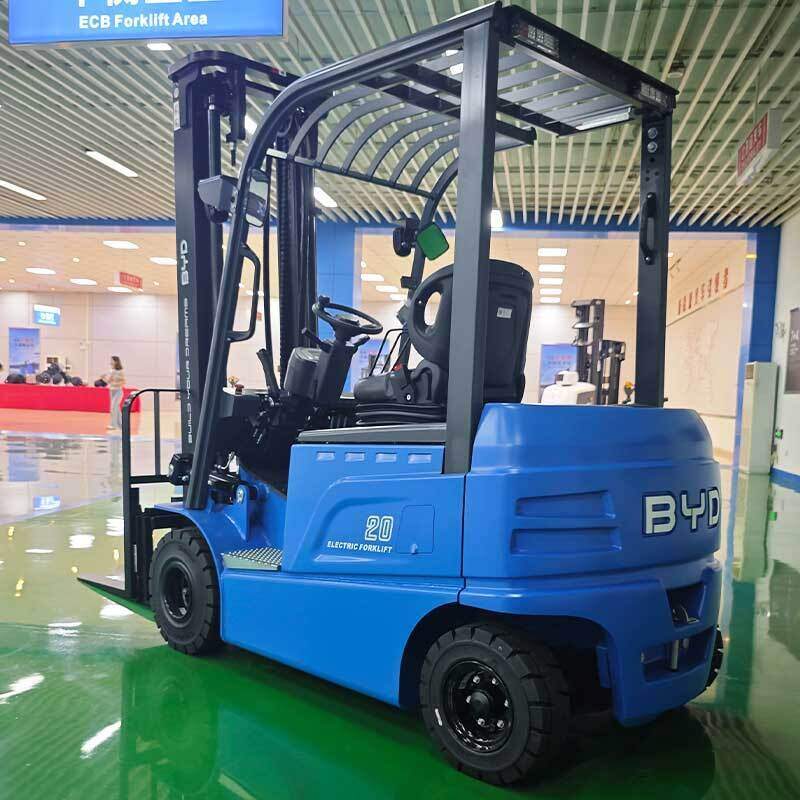
Third, confirm the minimum width of the existing operation aisle in your warehouse. Different models of reach forklifts have different requirements for the minimum passage width to turn or operate smoothly. Clear aisle width data can help you select the most adapted model, so that you do not need to adjust the existing warehouse layout at extra cost, which can greatly save your early transformation investment.
Fourth, clarify the daily continuous operation duration of your working scenarios. Different operation modes, such as single shift 8-hour operation or two-shift 16-hour operation, have completely different requirements for the battery life of electric reach forklifts. Matching the corresponding energy storage configuration according to your actual working hours can ensure stable and uninterrupted operation in daily scenarios.
Fifth, confirm the specific content of supporting services in the cooperation plan, including daily maintenance, spare parts supply, on-site response speed of after-sales team, etc. Complete supporting services can effectively reduce the downtime risk of your equipment in long-term use, and ensure the smooth progress of your warehouse operation.
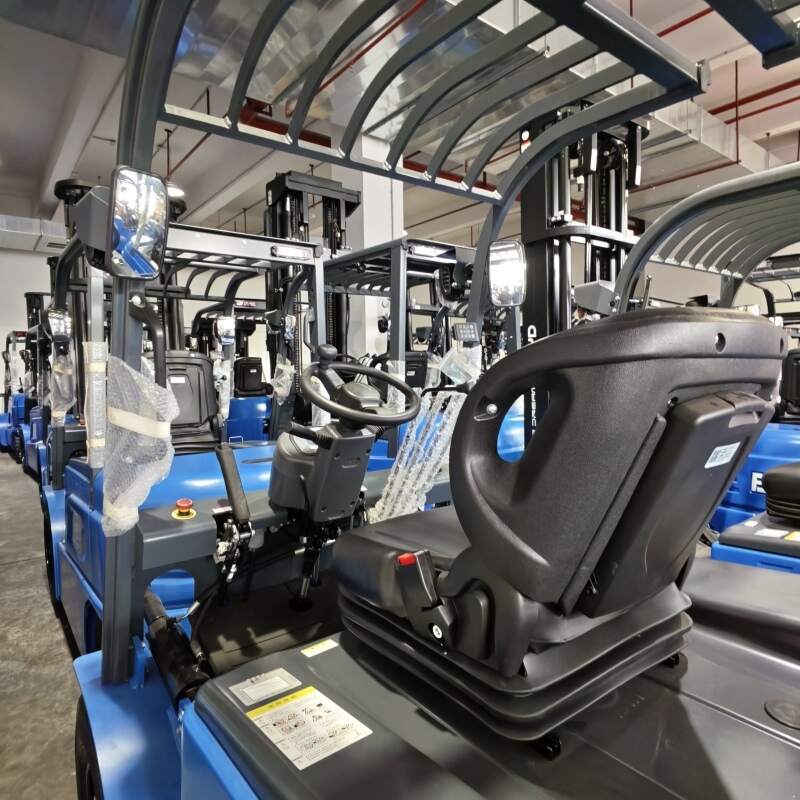
As a professional supplier in the field of new energy logistics handling equipment, we are Jian Shu New Energy, focusing on BYD electric forklifts. If you have any demand for related reach forklift consultation or model selection, you can send an email to [email protected] for professional tailored solutions.


