
 简体中文
 Русский
 Français
 Português
 Español
 لالعربية


Many warehouse and logistics operation teams often encounter unnoticeable efficiency bottlenecks in daily material handling work, and most of these problems can be properly solved by selecting the right type of industrial handling equipment. The following 10 typical signs can help you judge whether your operation is suitable for introducing a reach forklift.
The first sign is that your warehouse has large areas of narrow aisles less than 3 meters wide. Common counterbalance forklifts have large turning radii, which cannot pass through these narrow areas smoothly, while the compact structural design of reach forklifts can fit this scene well, and you do not need to waste extra space to widen the aisles.
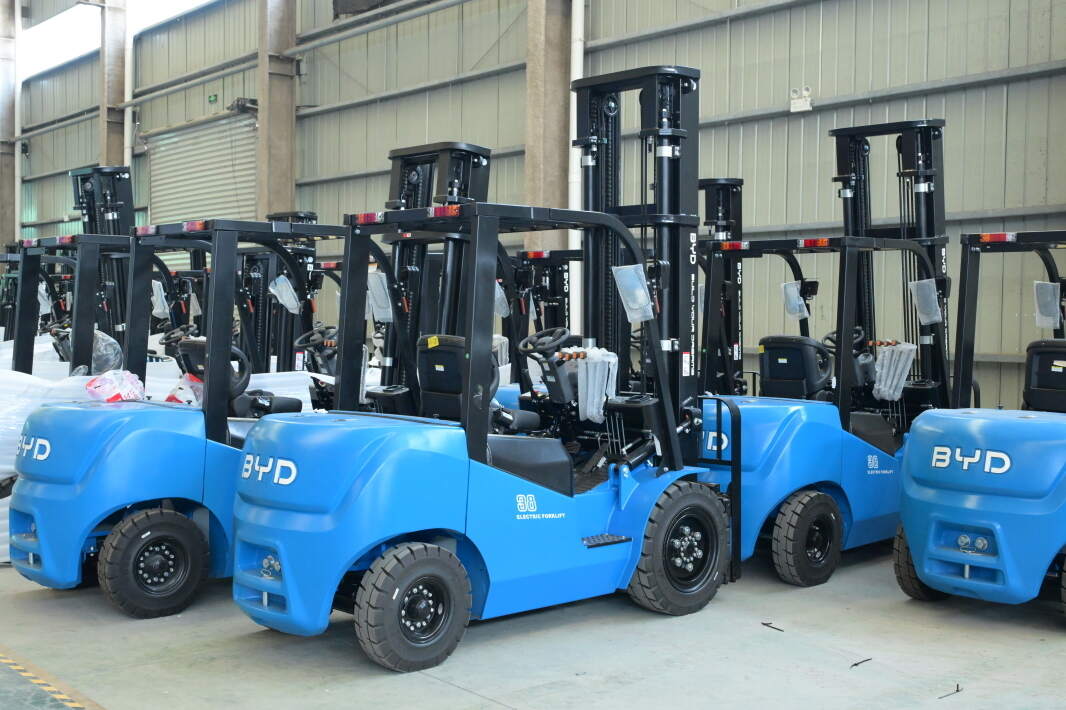
The second sign is that you store pallets on racks higher than 6 meters. Ordinary low-position handling vehicles cannot reach this lifting height safely, and the stable lifting structure of a reach forklift can complete high-position access operations stably under proper load limit.
The third sign is that your frontline team spends more than 20% of their working time on repeated long-distance pallet movement across the warehouse. The stable driving performance and reasonable load matching of reach forklifts can greatly shorten the time of single handling, and reduce unnecessary invalid working hours.
The fourth sign is that you often need to rearrange pallet positions to make full use of the remaining shelf space. The unique forward moving fork design of reach forklifts does not need too much turning space to adjust the pallet position, operators do not need to adjust the vehicle position back and forth repeatedly.
The fifth sign is that your current equipment cannot operate smoothly in the tight gaps between different working stations. The flexible steering structure of reach forklifts can adapt to the narrow gaps in operation areas, effectively reduce the risk of scratching surrounding shelves or stored goods.
The sixth sign is that you plan to expand the total storage capacity without expanding the actual floor area of your warehouse. After introducing reach forklifts, you can reasonably narrow the aisle width, add more high-position shelves in the existing site, and the overall storage capacity can get considerable improvement.
The seventh sign is that minor collision accidents between moving vehicles and rack structures occur frequently in your daily operation. The reach forklift specially designed for narrow aisle scenes does not require the driver to adjust the vehicle angle many times, which can effectively reduce the probability of accidental scraping.
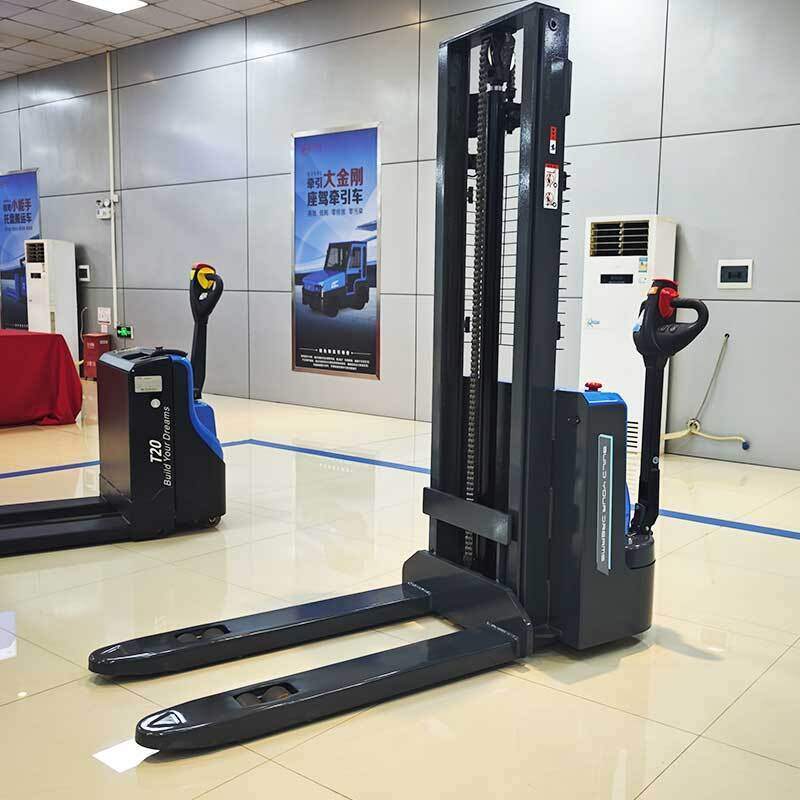
The eighth sign is that you are looking for ways to reduce long-term energy and maintenance costs for material handling equipment. Electric reach forklifts have lower daily energy consumption, fewer wearing parts, and the comprehensive operating cost for long-term use is more controllable.
The ninth sign is that your operators often encounter difficulties when placing heavy pallets accurately on high shelf positions. The stable gantry structure of reach forklifts ensures smooth lifting process, and greatly reduces the operation difficulty of high-position pallet placement for operators.
The tenth sign is that your peak season order fulfillment speed cannot reach the expected target. The higher operation efficiency of reach forklifts can help your team complete more inbound and outbound tasks per work shift, and effectively support the order processing throughput in busy periods.
If you find most of these signs appear in your daily operation, it is a suitable time to consider matching proper reach forklift products. We are Jian Shu New Energy, focusing on BYD electric forklifts. For any related inquiry, please contact us via [email protected].


