
 简体中文
 Русский
 Français
 Português
 Español
 لالعربية


Regenerative braking is a widely adopted practical configuration for modern electric forklifts, which converts the kinetic energy generated during deceleration or downhill operation back into electrical energy to recharge the battery, bringing multiple measurable benefits for daily material handling operations. When selecting and using this type of forklift, operation teams need to pay attention to several core practical points to maximize its value while ensuring overall operation safety.
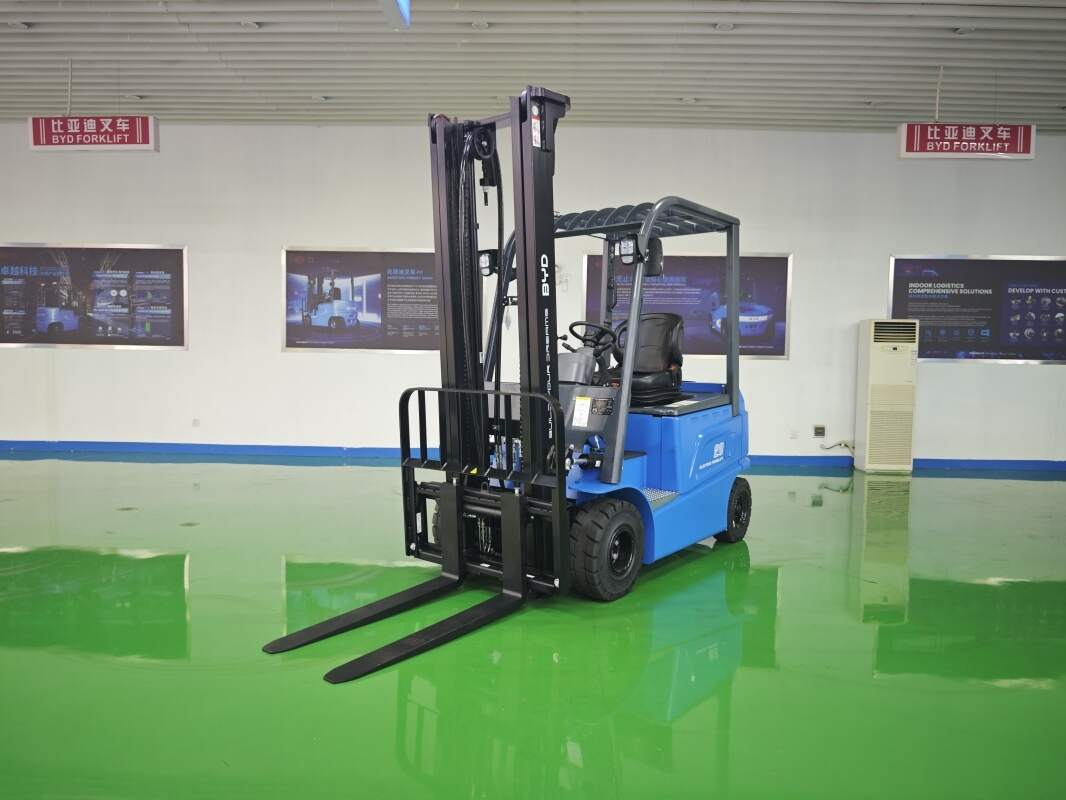
First, evaluate the matching degree between equipment function and actual operation scenarios. For sites with frequent start-stop operations, frequent ramp passing, or high daily working hours, the energy recovery effect of regenerative braking can be fully demonstrated, effectively extending the single-charge working duration of the forklift, reducing the frequency of external charging, and lowering long-term operation energy costs. For scenarios with low daily operation intensity and rare deceleration demand, the performance advantage of regenerative braking will not be fully reflected, so it is recommended to select the appropriate configuration according to actual demand to avoid unnecessary cost waste.
Second, complete targeted operation training for on-site drivers. The operating feedback of regenerative braking is different from that of traditional hydraulic braking systems. New drivers need to be familiar with the system’s trigger logic, pedal feedback and response characteristics through professional training, to form stable and smooth operation habits. Correct operation can also effectively reduce the wear of brake pads and related friction components, reduce the frequency of brake system replacement, and cut long-term maintenance costs for the fleet.
Third, arrange regular targeted maintenance work for the regenerative braking system. The relevant energy recovery module, connection harness and heat dissipation components should be inspected according to the official operation manual, and professional personnel should be arranged to calibrate system parameters regularly. It is not allowed to modify the default parameters of the regenerative braking system without permission, to avoid the risk of uncoordinated response between energy recovery and the main brake system.
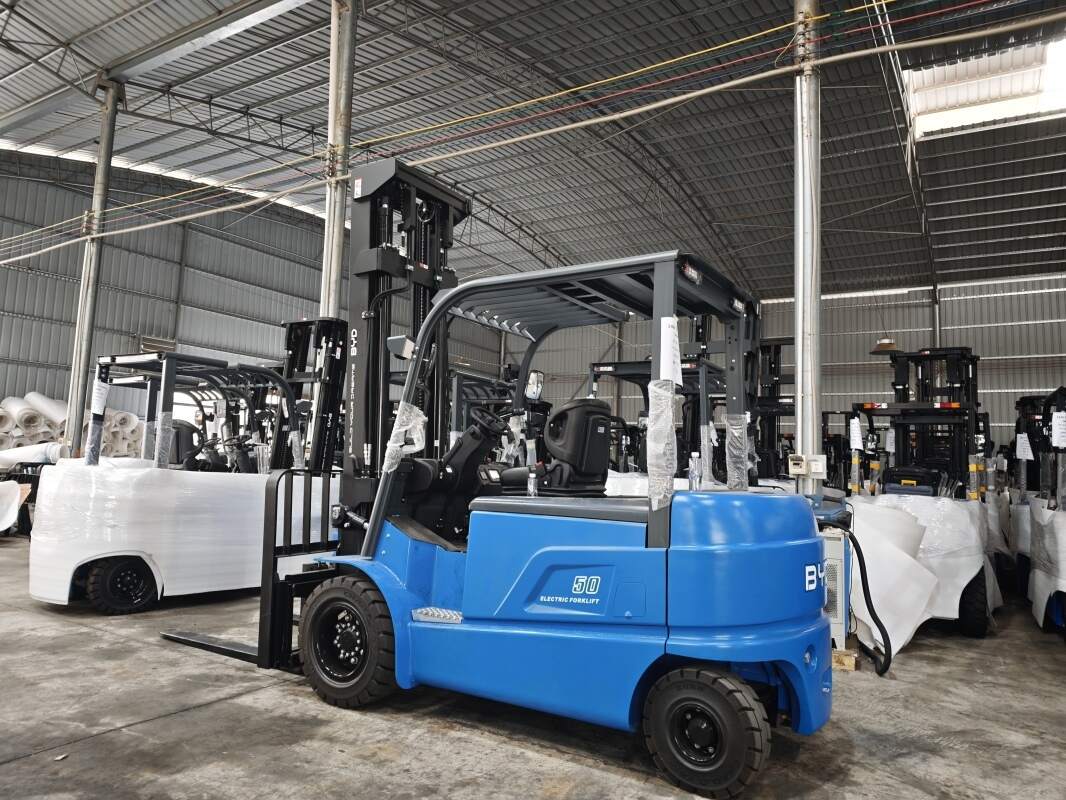
Fourth, verify the safety coordination performance of the whole vehicle before putting it into large-scale operation. Confirm that the regenerative braking function can work in synergy with the main hydraulic brake system and parking brake system, to ensure that the braking distance under full-load downhill and emergency braking scenarios meets the relevant safety operation specifications of the working site, and avoids potential safety hazards.
Sharp Tree New Energy, focusing on BYD electric forklifts, can provide customers with professional selection consultation, operation guidance and after-sales support for electric forklifts with regenerative braking function that adapt to different scenarios. If you have relevant demands, you can send emails to [email protected] for further communication.


