
 简体中文
 Русский
 Français
 Português
 Español
 لالعربية


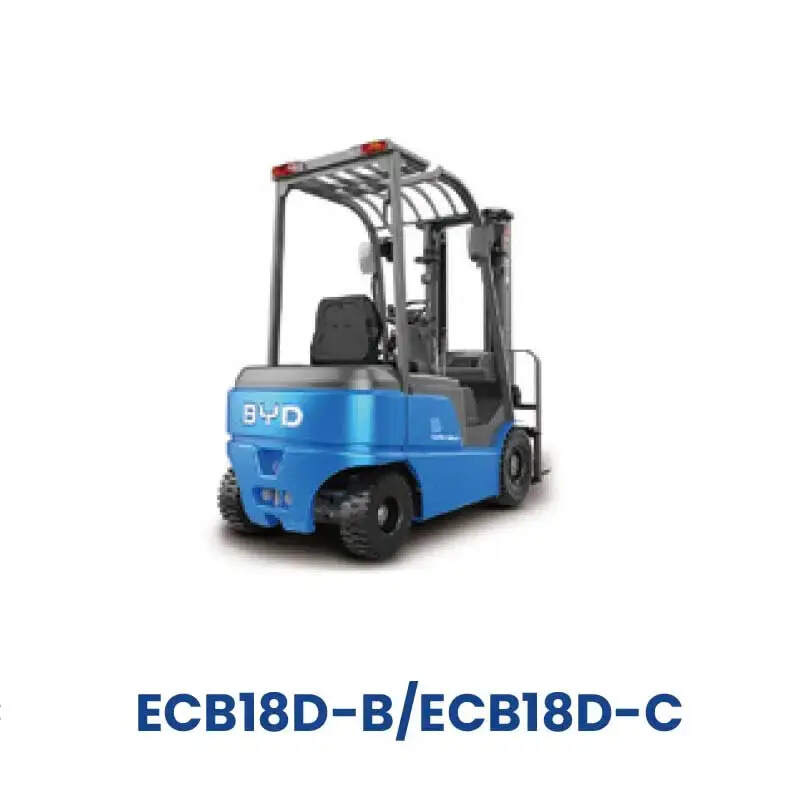
As the core supporting equipment of modern warehouse and industrial logistics, electric forklifts have obtained wide application across different operation scenarios in recent years, with features of low local emission, low operating noise and relatively low long-term use cost. Mastering systematic professional knowledge related to electric forklifts can help standardize operation behaviors, reduce unnecessary equipment failure, and give full play to the using value of such material handling equipment.
Core Operational Norms for Daily electric forklift Usage
Before starting the equipment, operators need to complete full pre-operation checks covering the power system, brake function, lifting mechanism and surrounding working environment, to rule out hidden risks such as obstacles in the driving path or insufficient remaining power. During the driving process, operators should keep the load within the rated load range of the equipment, avoid sharp turns, sudden braking or driving on slopes with gradient exceeding the specified value, and keep proper safe distance with surrounding personnel and stacked goods. For high-lifting operation scenarios, operators need to keep the vehicle body in a stable horizontal position, avoid any personnel staying under the lifting fork, and adjust the lifting and lowering speed according to actual operation conditions.
Practical Daily Maintenance Tips to Extend Stable Service Period
Regular standardized maintenance work can effectively reduce the failure rate of electric forklifts and prolong their stable service life. The power system, as the core component of the equipment, needs regular inspection of wiring terminal connection status, surface cleaning to avoid dust accumulation affecting heat dissipation, and standardized charging operation following official specifications, to avoid over-discharge or over-charge phenomena that may cause damage to the system. Operators also need to check the wear degree of tires and brake pads at regular intervals, replace corresponding worn parts in time when the wear extent reaches the specified threshold, and regularly add lubricating oil to transmission and lifting connection parts to keep the operation smooth. After daily operation, operators should park the equipment at the designated position, lower the fork to the ground level, cut off the total power supply, and record the daily operation status on the management log.
Scenario Matching Suggestions to Improve Handling Efficiency
Different types of electric forklifts are designed for different application scenarios, reasonable scenario matching can give full play to the equipment’s own advantages. For narrow channel warehouse scenarios, operators can select corresponding compact body electric forklifts to improve the utilization rate of limited storage space. For scenarios with frequent long-distance handling in large open storage yards, models with higher continuous battery life and proper driving speed can be selected to reduce the turnover time of single handling task. For special low-temperature operation scenarios, targeted adaptive adjustment of the power and hydraulic system can be completed before putting into use, to ensure the equipment can operate stably under such environmental conditions.


