
 简体中文
 Русский
 Français
 Português
 Español
 لالعربية


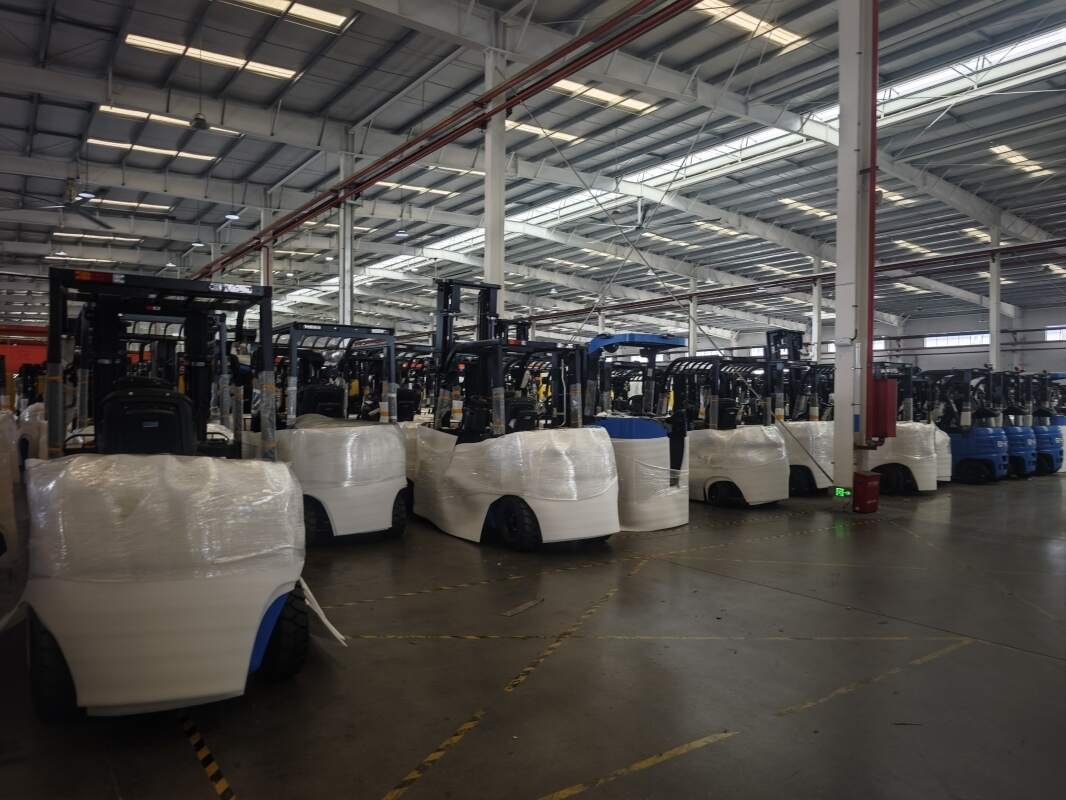
As the global logistics and warehousing industry continues to pursue low-carbon, high-efficiency operation modes, electric forklifts have become one of the most widely applied material handling equipment in various industrial scenarios in recent years. Many operators still lack systematic cognition of the full-lifecycle management of such equipment, leading to unnecessary performance loss and extra operation cost in daily use. The following content shares targeted professional suggestions for electric forklift use and management from the perspective of long-term industry practice.
Basic Daily Operation Specification
Proper operation habits lay a solid foundation for extending the service life of electric forklifts. Before starting the equipment every shift, operators need to conduct simple inspection on core components including the brake system, tire wear condition, power connection status and alarm function, to rule out hidden risks in advance. During operation, avoid frequent sharp acceleration and sudden brake on uneven roads, do not overload the equipment beyond the rated load limit, and keep stable moving speed when transporting heavy cargos to avoid potential tipping risk. It is also necessary to avoid long time exposure of the equipment under extreme high or low temperature environment during idle period, to reduce extra loss of the power supply system.
Routine Preventive Maintenance Tips
Regular preventive maintenance helps to keep the electric forklift at stable working condition for a longer period. Operators can clean the dust and sundries accumulated on the motor and heat dissipation system on a weekly basis, to avoid overheating caused by blocked heat dissipation channels. The power module needs to be charged in strict accordance with the official operation guidance, avoid complete power depletion before recharging, and do not leave the equipment in under-voltage status for more than 72 consecutive hours. For the hydraulic lifting system, check the sealing condition of oil pipelines and the residual amount of hydraulic oil every month, replenish or replace the hydraulic medium according to the specified cycle, to ensure the stability of lifting and descending functions.
Scenario-oriented Efficiency Optimization Strategies
Matching the operation mode with actual scenario characteristics can maximize the performance of electric forklifts. For small and closed indoor storage scenarios with narrow channels, operators can adjust the power output parameter of the equipment to a balanced level that meets both low noise requirement and basic handling power, to avoid unnecessary power consumption. For large outdoor cargo yards with long driving distance, arrange the power replenishment plan reasonably according to the daily operation volume, to avoid sudden power outage in the middle of cross-zone transportation. Teams can also arrange regular skill training for operators, to standardize their operation actions and reduce invalid moving routes, so as to improve the overall operation efficiency of the whole fleet. Following the above scientific management measures, teams can fully explore the use value of electric forklifts, achieve safer and more stable daily material handling work, and create more practical benefits for the whole warehousing operation system.


