
 简体中文
 Русский
 Français
 Português
 Español
 لالعربية


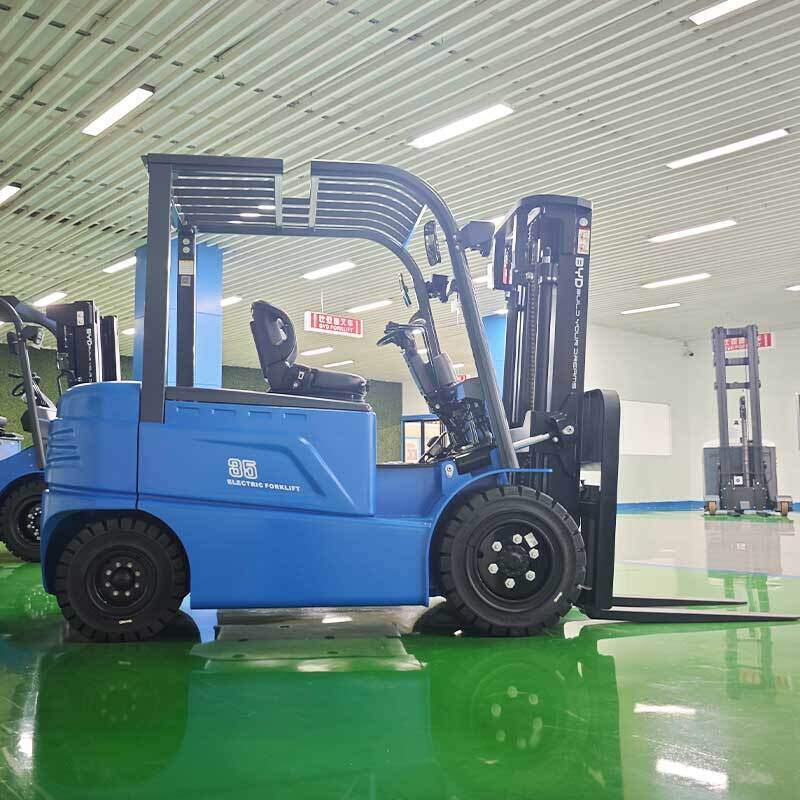
With the continuous promotion of low-carbon logistics development globally, electric forklifts have gradually become one of the most widely used material handling equipment in closed working spaces such as warehouses, distribution centers and manufacturing workshops. Reasonable operation and regular maintenance can effectively help enterprises give full play to the use value of this type of equipment, avoid unnecessary downtime and control the whole life cycle cost.
Core Functional Features of Electric Forklifts
Different from internal combustion powered handling equipment, electric forklifts rely on stored electric energy to provide power output, so they produce no exhaust emission during operation, and generate relatively low working noise that will not cause interference to staff working in closed space for a long time. The power output regulation of electric forklifts is smoother, which can reduce the risk of collision of goods and shelves during the handling process, and adapt to the operation requirements of high-precision storage scenarios such as finished product sorting warehouses and fragile goods storage areas.
Daily Operational Standardized Tips
Operators need to receive corresponding professional training before formally taking up the job, get familiar with the basic operation logic of the control system, and avoid overloading the equipment beyond the specified load range for a long time. Before starting each shift, operators need to check the remaining power of the power system, the flexibility of the braking system and the integrity of the fork structure, and report any abnormal situation in time instead of forcing the equipment to work. During the operation process, operators should keep the running speed matching the actual site condition, avoid sharp steering on wet and slippery ground, and do not place irrelevant sundries on the operation console to prevent misoperation.
Routine Maintenance Points
The daily maintenance work of electric forklifts mainly focuses on the protection of the power system and transmission structure. After each full shift of operation, operators should charge the equipment in the specified special charging area according to the standard process, avoid overcharging or complete power loss for a long time, and regularly clean the dust accumulated on the surface of the battery and heat dissipation structure. The lubrication degree of the transmission part and the wear degree of the tire should be checked every two weeks, and the aged worn parts should be replaced in time according to the actual wear condition to reduce extra mechanical loss. Enterprises can also formulate targeted use specifications according to their actual business volume and site layout, to maximize the use efficiency of electric forklifts for daily material handling work.


